
 English
 Español
 Deutsch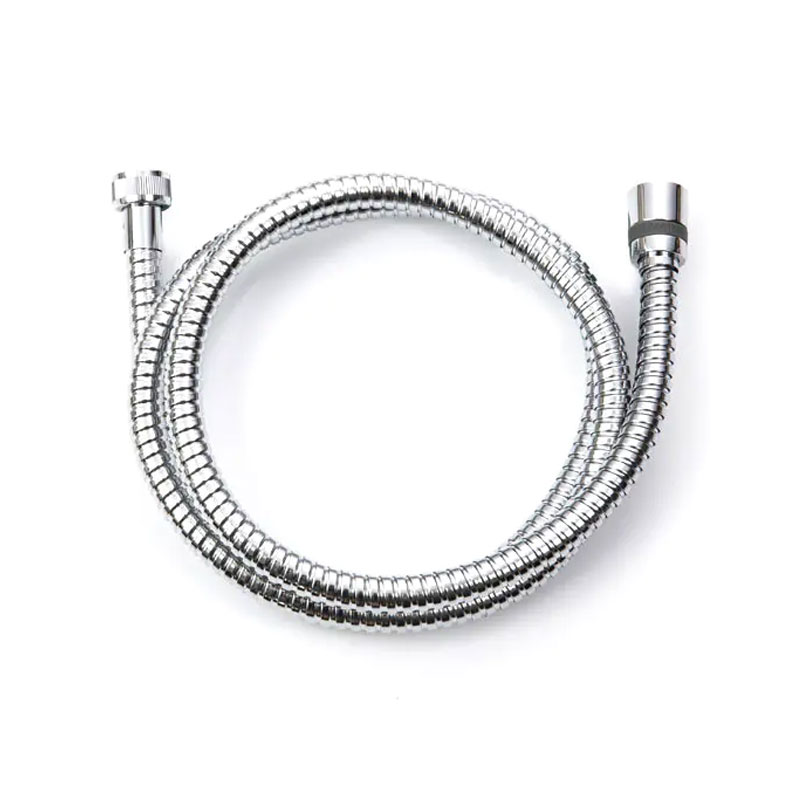
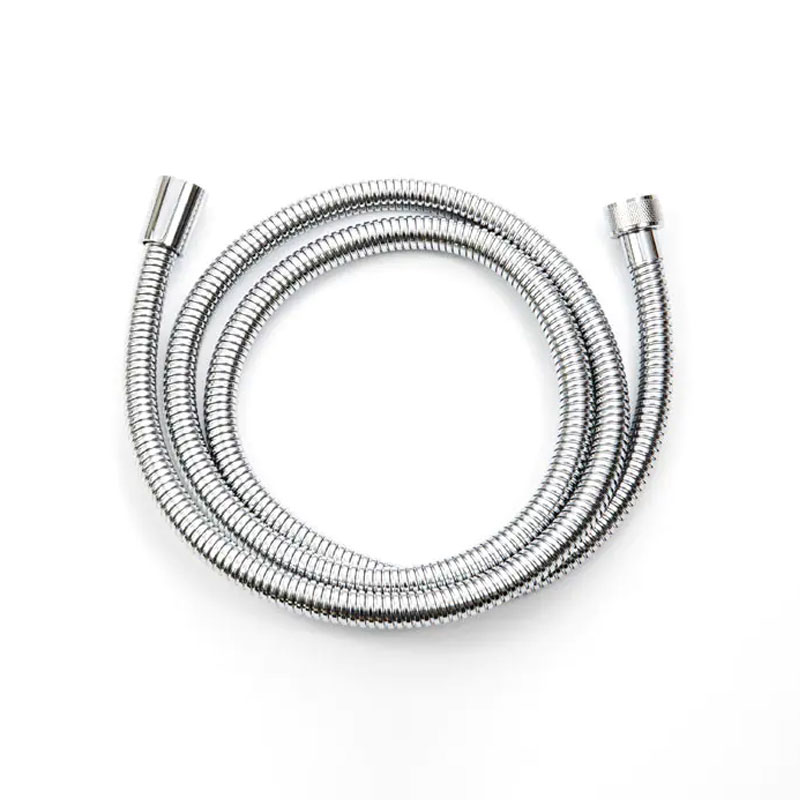
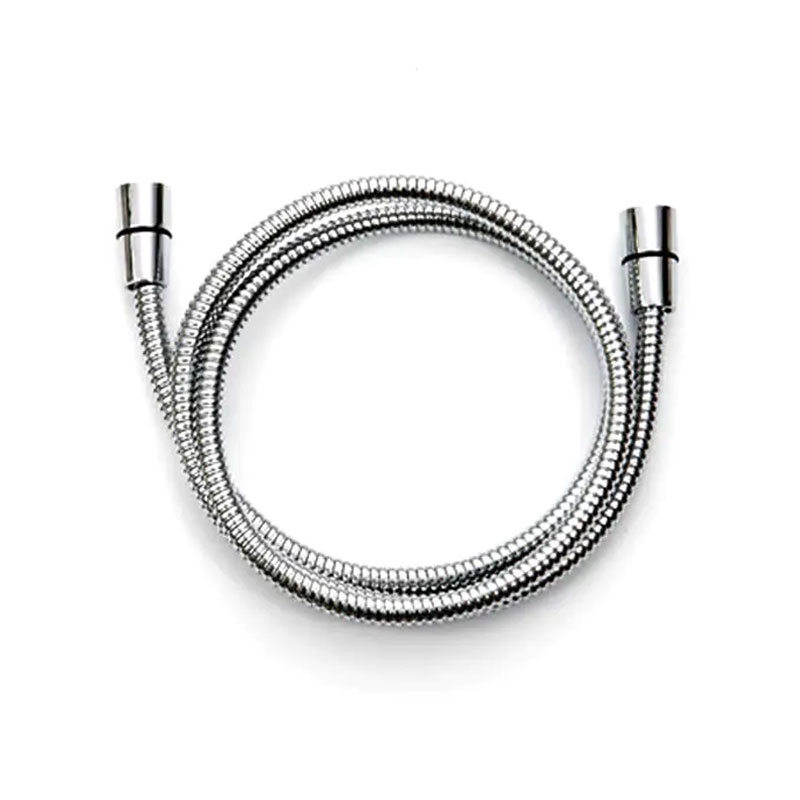
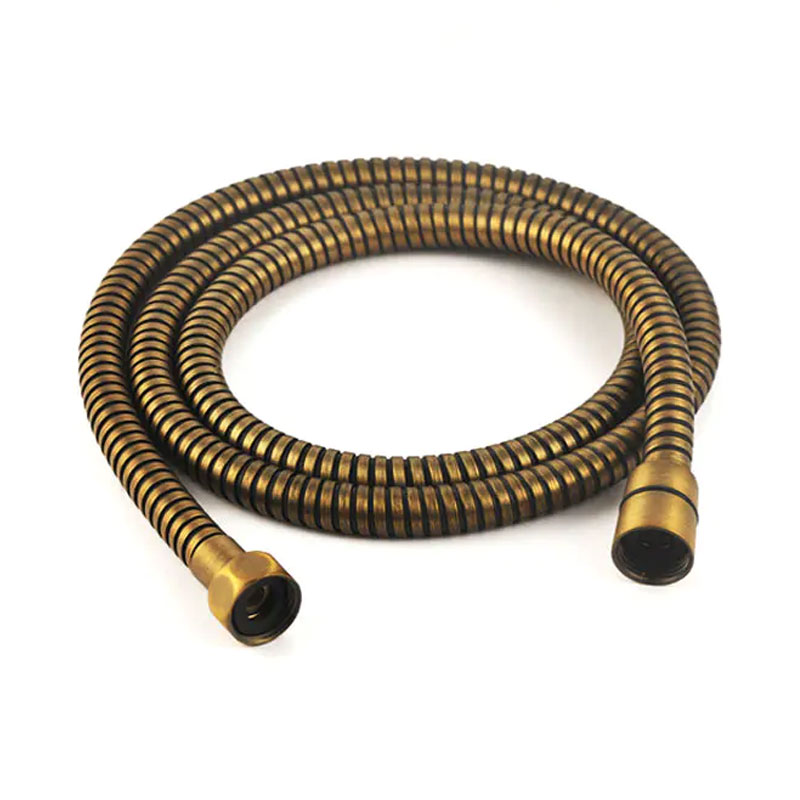
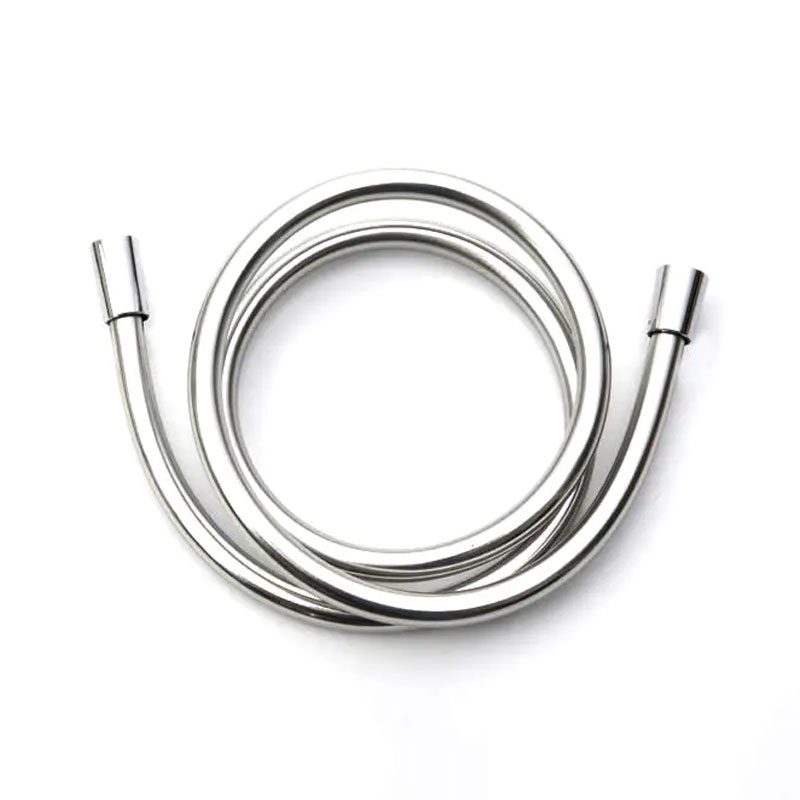
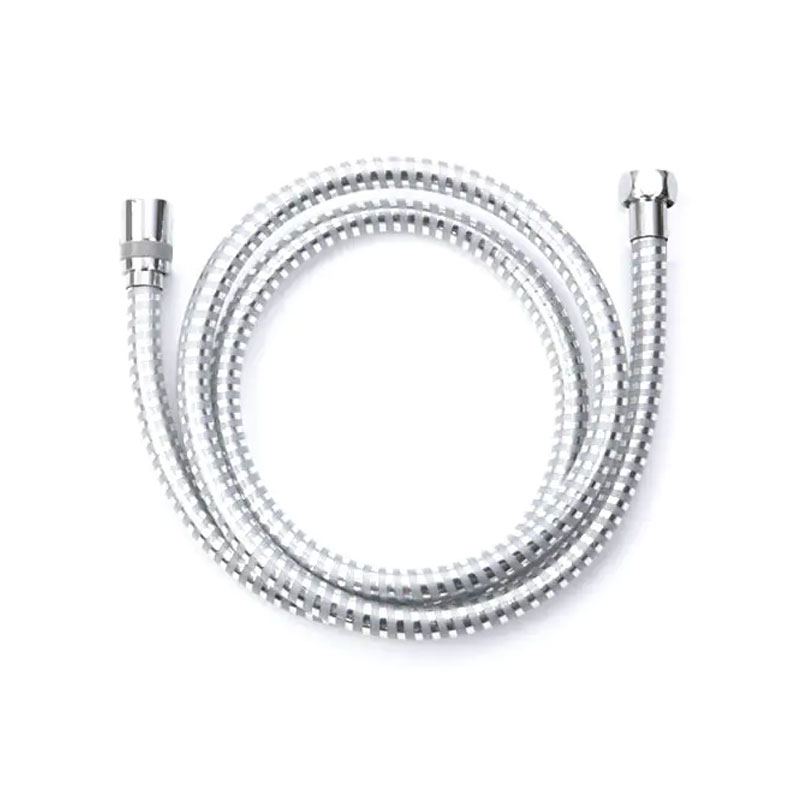
A quality kitchen braided hose lasts 8 to 12 years under normal household conditions, and up to 15 years with excellent water quality and low usage stress — fa...
READ MORE
news
How to Fix a Hose Leak in Your Kitchen Braided Hos
Update:15-06-2026
Content
- 1 What Causes a Kitchen Braided Hose to Leak
- 2 How to Diagnose Where the Leak Is Coming From
- 3 Tools and Materials You'll Need
- 4 How to Fix a Leaking Fitting on a Kitchen Braided Hose
- 5 How to Replace a Kitchen Braided Hose Completely
- 6 Choosing the Right Replacement Kitchen Braided Hose
- 7 Common Mistakes to Avoid When Fixing a Hose Leak
- 8 When to Call a Plumber Instead
- 9 How to Prevent Future Leaks in Kitchen Braided Hoses
If your kitchen braided hose is leaking, the fix usually takes under 30 minutes and costs $5–$30—depending on whether you need a washer replacement or a full hose swap. In most cases, tightening the connection or replacing a worn rubber washer is all it takes. This guide walks you through every scenario, from a slow drip at the fitting to a burst braid, so you know exactly what to do.
What Causes a Kitchen Braided Hose to Leak
Understanding the root cause saves you from fixing the wrong thing. Kitchen braided hoses—also called stainless steel braided supply lines—are built to last 5–10 years, but several factors accelerate failure.
- Worn or cracked rubber washer: The most common cause. The internal washer degrades over time, especially with hard water or heat exposure, causing drips at the connection point.
- Loose fittings: Vibration from water hammer or regular use can loosen the nut connections at either end of the hose.
- Corroded or cracked fittings: Brass fittings can corrode, especially under sinks with poor ventilation. Even small cracks cause significant leaks under water pressure (typically 40–80 PSI in residential kitchens).
- Damaged braid or inner hose: Physical kinking, excessive bending, or age can cause the inner EPDM or PVC tube to crack beneath the stainless braid.
- Over-tightening: Ironically, cranking connections too tight can warp the washer seat and cause leaks at the fitting.
How to Diagnose Where the Leak Is Coming From
Before grabbing any tools, identify the exact leak location—repair methods differ significantly depending on the source.
Step-by-Step Leak Diagnosis
- Dry the entire hose with a paper towel or cloth.
- Turn the water supply back on slowly.
- Watch closely: does water appear at the top fitting (faucet end), bottom fitting (shutoff valve end), or along the hose body?
- Press a dry tissue against each area for 5 seconds to detect moisture that isn't visible to the eye.
- Mark the leak location with a piece of tape before shutting water off again.
| Leak Location | Likely Cause | Recommended Fix |
|---|---|---|
| Top or bottom fitting | Loose nut or worn washer | Tighten or replace washer |
| Along the braided body | Damaged inner tube or braid | Replace the hose entirely |
| At the fitting threads | Missing or damaged thread seal | Apply PTFE tape, re-thread |
| Corroded metal fitting | Chemical or age corrosion | Replace the hose entirely |
Tools and Materials You'll Need
Gather everything before you start—working under a kitchen sink is cramped and interruptions are frustrating.
- Adjustable wrench or basin wrench
- PTFE (plumber's) tape
- Replacement rubber washers (3/8" or 1/2" are most common for kitchen hoses)
- Bucket and old towels
- Flashlight or headlamp
- Replacement braided hose (if swapping out—costs $8–$25 at most hardware stores)
Pro tip: Take a photo of your existing hose connections before removing anything. It makes reassembly much faster and error-free.
How to Fix a Leaking Fitting on a Kitchen Braided Hose
This is the most common repair scenario and is usually completed in under 15 minutes.
Method 1: Tighten the Connection
- Turn off the water at the shutoff valve beneath the sink (turn clockwise until it stops).
- Place a bucket under the hose to catch residual water.
- Using an adjustable wrench, tighten the leaking fitting by turning it clockwise—no more than a quarter to half turn beyond hand-tight.
- Turn the water back on and check for leaks. If the drip stops, you're done.
Method 2: Replace the Rubber Washer
- Shut off the water supply and relieve pressure by opening the faucet briefly.
- Unscrew the leaking fitting counterclockwise using your wrench.
- Look inside the nut—you'll see a small rubber ring (the washer). Pry it out with a flathead screwdriver.
- Match it to a replacement washer (bring the old one to the hardware store or measure its diameter—typically 3/8" to 1/2").
- Press the new washer firmly into the seat inside the fitting nut.
- Reattach the fitting by hand first, then snug it with a wrench—avoid overtightening.
- Restore water supply and inspect for leaks for at least 2 minutes.
Method 3: Apply PTFE Tape to the Threads
- Turn off the water and disconnect the fitting.
- Dry the threads completely.
- Wrap PTFE tape clockwise around the male threads—2 to 3 wraps is sufficient. More can cause the nut to not seat properly.
- Reconnect the fitting and tighten snugly.
- Test with the water on.
How to Replace a Kitchen Braided Hose Completely
If the leak is along the hose body, the fitting is cracked, or the hose is over 7 years old, full replacement is safer and more cost-effective than patching. A burst braided hose can release several gallons per minute and cause significant water damage.
- Turn off the shutoff valve beneath the sink.
- Open the faucet to release pressure and drain residual water.
- Place a towel and bucket under the hose area.
- Use a wrench to unscrew both ends of the hose—top (faucet shank) and bottom (shutoff valve). Turn counterclockwise.
- Note the hose length and fitting size before purchasing a replacement. Standard kitchen supply hoses are 12", 20", or 24" long with 3/8" compression x 3/8" FIP or 1/2" FIP fittings.
- Hand-thread the new hose onto both connections, then tighten with a wrench (snug + 1/4 turn—no more).
- Turn the shutoff valve back on slowly and watch both fittings for 2–3 minutes.
- Run the faucet hot and cold to check for any movement or weeping at connections.
Important: Never reuse old washers from the removed hose. New braided hoses almost always include new washers pre-installed—check before adding extras, as stacking washers can cause leaks.
Choosing the Right Replacement Kitchen Braided Hose
Not all braided hoses are equal. Here's what to look for when buying a replacement to avoid another leak within a year.
| Feature | Budget Option | Recommended Option |
|---|---|---|
| Inner tube material | PVC | EPDM rubber |
| Braid type | Polymer mesh | 304 stainless steel |
| Fitting material | Chrome-plated zinc | Solid brass |
| Burst pressure rating | 150–300 PSI | 500–1,000 PSI |
| Expected lifespan | 3–5 years | 8–10 years |
Look for hoses certified to NSF/ANSI 61 (safe for drinking water contact) and labeled for the correct pressure rating of your home's water system. Most residential systems run at 40–80 PSI—any hose rated above 300 PSI burst pressure is more than adequate.
Common Mistakes to Avoid When Fixing a Hose Leak
- Over-tightening fittings: This is the single most frequent DIY mistake. It crushes the washer and can crack plastic valve stems. Snug plus a quarter turn is enough.
- Using PTFE tape on compression fittings: Compression fittings seal mechanically—tape here does nothing and may prevent proper seating.
- Reusing an old hose that has already bulged: A visibly swollen braided hose is on the verge of bursting. Don't reinstall it even if the current leak seems minor.
- Skipping the 3-minute post-repair inspection: Slow leaks often take 1–2 minutes of water pressure to appear. Always watch and wait before closing up the cabinet.
- Buying the wrong hose length: A hose that's too short creates tension at the fittings; too long causes kinking. Measure your existing hose end-to-end before buying.
When to Call a Plumber Instead
Most kitchen braided hose leaks are DIY-friendly, but some situations warrant professional help:
- The shutoff valve itself is leaking or won't fully close—this requires valve replacement, which involves shutting off the main water supply.
- There is evidence of prolonged water damage—swollen wood, mold, or structural softening under the sink. This needs assessment beyond just hose repair.
- The faucet shank itself is cracked or corroded at the point of attachment.
- Water pressure at your faucet is unusually low even after the repair, suggesting a deeper supply line issue.
A standard plumber visit for a supply line issue typically costs $75–$200 depending on your region and the complexity involved—still far cheaper than the water damage from a burst hose left unaddressed.
How to Prevent Future Leaks in Kitchen Braided Hoses
Prevention is far easier than repair. Build these habits into your home maintenance routine:
- Inspect hoses annually: Check for bulging, corrosion, or stiffness each year—especially hoses older than 5 years.
- Replace proactively at 7–10 years: Even a hose that looks fine can have internal degradation. Replacing a $15 hose is far cheaper than remediating water damage, which averages $1,200–$5,000 in the US.
- Install a water leak detector: Smart sensors placed under the sink alert you within seconds of any drip—devices cost $15–$50 and can prevent major damage.
- Avoid storing chemicals under the sink: Harsh cleaning agents accelerate corrosion on brass fittings.
- Don't leave hoses kinked: When reorganizing under-sink storage, ensure hoses have a gentle curve, not a sharp bend.
News
-
-
How to Change a Shower Hose: Quick Answer Changing a shower hose takes about 10 minutes and rarely needs a plumber: unscrew the old hose from the shower head a...
READ MORE -
Quick Answer No, shower hoses do not fit all showers automatically — but most do, because roughly 90% of the market has standardized around one connector: the ...
READ MORE -
Replacing a shower hose is a straightforward DIY job that takes 10 to 20 minutes and requires no specialist plumbing knowledge. You unscrew the old hose at bot...
READ MORE -
Attaching a shower hose is a five-minute job if you know where the water actually seals. Most people assume the metal threads create the watertight connection....
READ MORE -
To install a shower hose, turn off the water supply, unscrew the old hose from both the shower head and the wall outlet or hose bracket, wrap the threads of th...
READ MORE

Contact us
-

-

+86-574-62321667
-

No.2 Chuangsheng West road, Wuma Industry Area, Lubu Town, Yuyao City, Zhejiang, China
Copyright © 2025 Yuyao Doflex Sanitary Ware Hose Co., Ltd., All Rights Reserved.
 Wholesale Bathroom Shower Hose Manufacturers