
 English
 Español
 Deutsch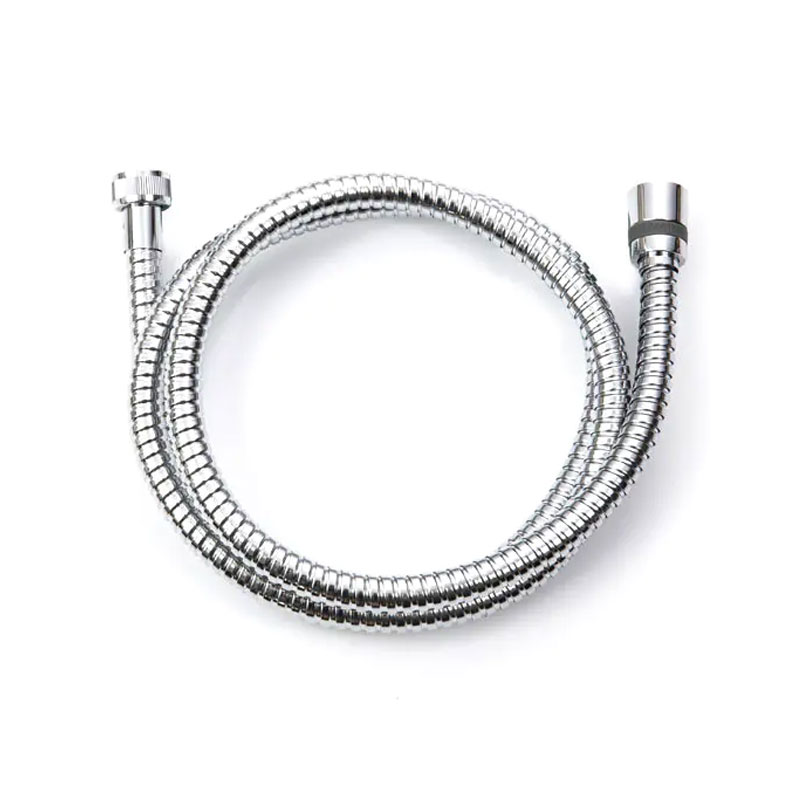
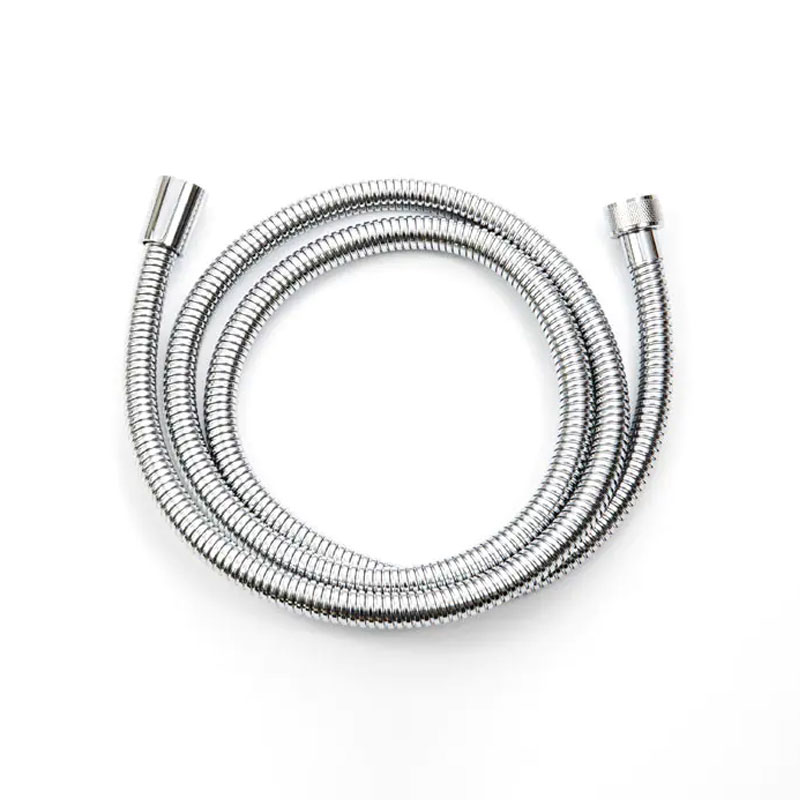
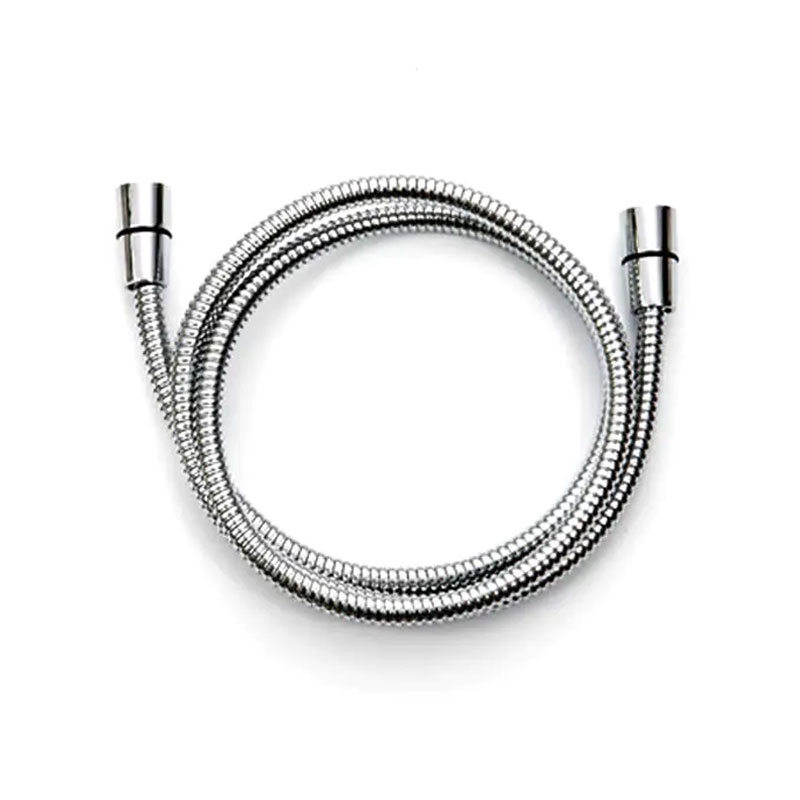
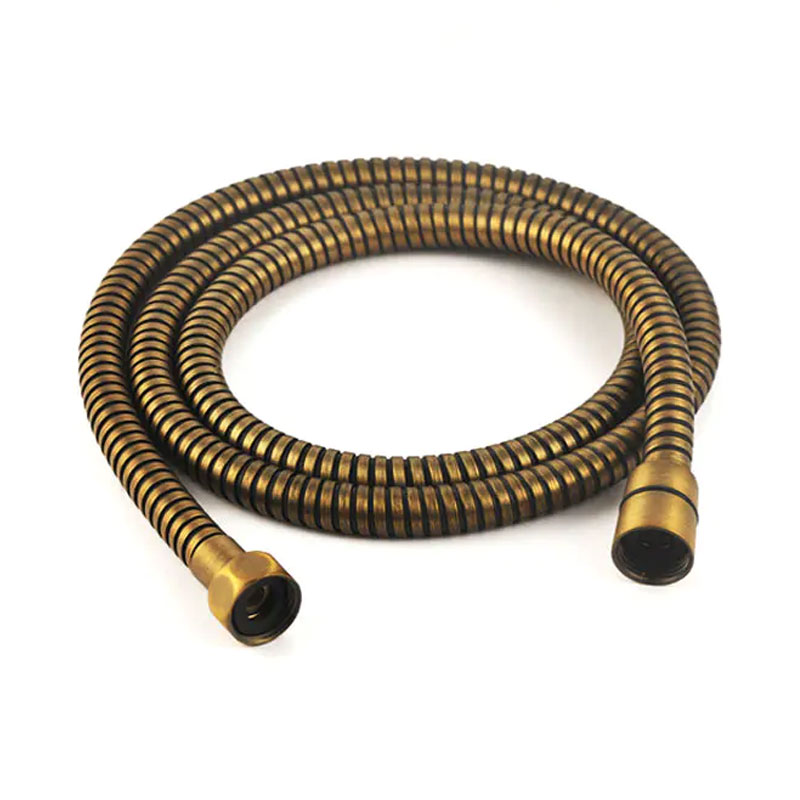
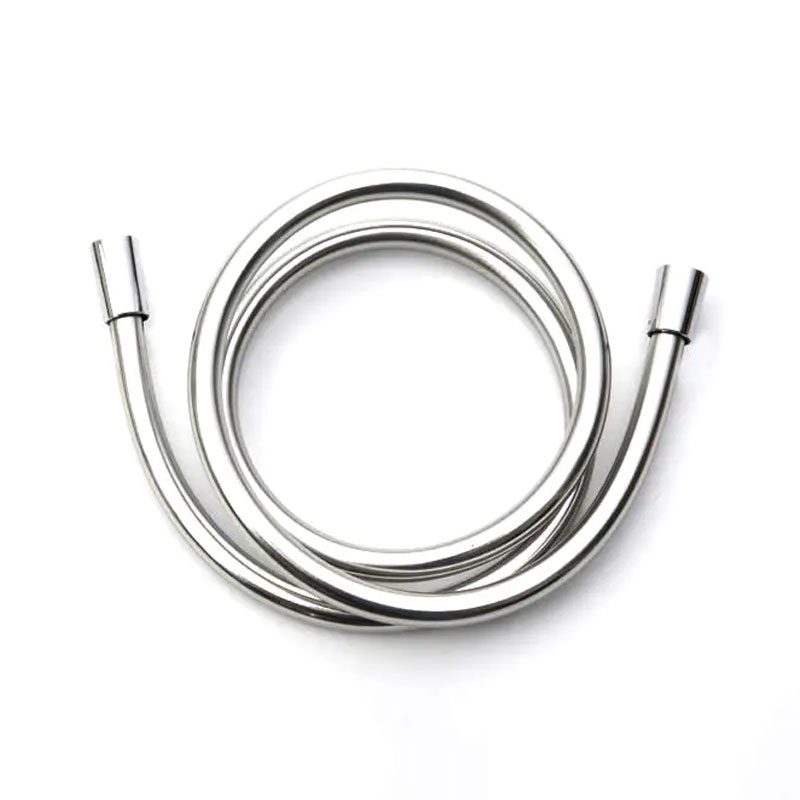
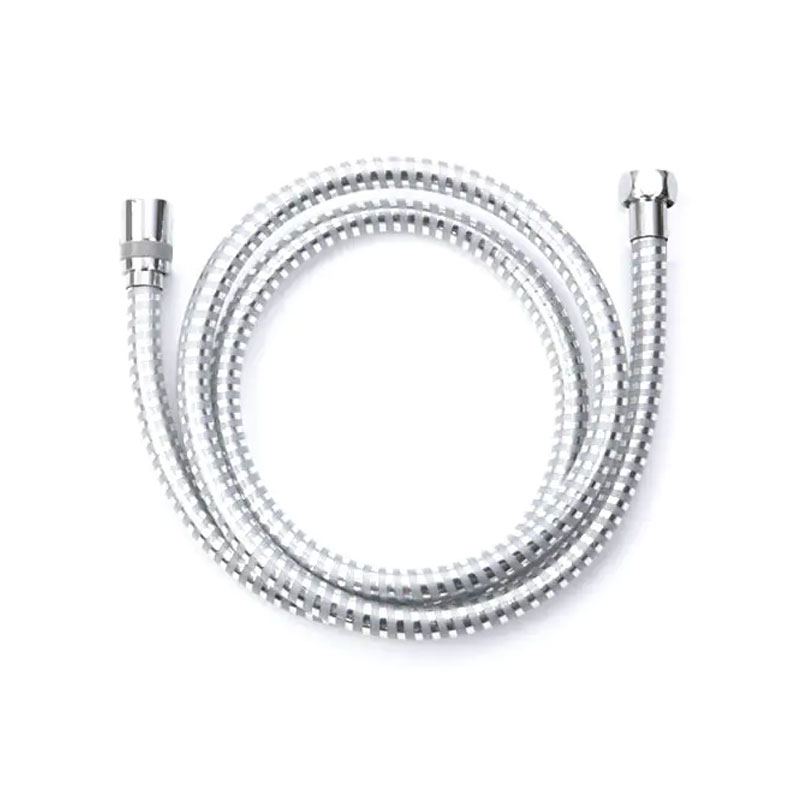
As a manufacturer of sanitary ware hoses, we hear this question from homeowners and plumbers alike: how do I stop my shower hose from leaking? The good news is...
READ MORE
news
How to Install a Shower Hose: Step-by-Step DIY Guide
Update:01-07-2026
Content
To install a shower hose, turn off the water supply, unscrew the old hose from both the shower head and the wall outlet or hose bracket, wrap the threads of the new hose with PTFE tape, then hand-tighten the new hose onto the outlet and shower head before finishing with a quarter turn using pliers. Most standard shower hoses use a universal 1/2-inch BSP thread, so the job typically takes 10 to 15 minutes and requires no plumbing experience.
This guide walks through the tools needed, the step-by-step process, common thread sizes, and troubleshooting tips for a leak-free connection.
Tools and Materials Needed
Before starting, gather the following items. Having everything on hand prevents mid-task trips to the hardware store and reduces the risk of over-tightening fittings with the wrong tool.
- New shower hose (check thread size compatibility)
- Adjustable wrench or pliers
- PTFE (plumber's) tape
- Small cloth or rag
- Bucket or towel (to catch drips)
A basic hose swap costs between $8 and $25 for the replacement part itself, making it one of the most affordable bathroom upgrades a homeowner can complete without hiring a plumber.
Step-by-Step Installation Process
Step 1: Shut Off the Water Supply
Locate the shut-off valve for the shower, usually found under the sink or at the main water line, and turn it clockwise until closed. If no isolated valve exists, shut off the main household water supply instead.
Step 2: Remove the Old Hose
Unscrew the hose from the shower head first, then disconnect it from the wall outlet or hose bracket. Turn the nut counterclockwise; if it's stuck, wrap a cloth around it and use an adjustable wrench for extra grip. Keep a towel nearby, as residual water will drip out.
Step 3: Clean the Threads
Wipe the exposed threads on both the wall outlet and the shower head to remove old tape residue, mineral buildup, or debris. A clean thread surface is essential for preventing leaks once the new hose is attached.
Step 4: Apply PTFE Tape
Wrap PTFE tape clockwise around the threads three to four times, following the direction the nut will be screwed on. This creates a watertight seal and makes future removal easier.
Step 5: Attach the New Hose
Screw one end of the new hose onto the wall outlet by hand until snug, then repeat for the shower head end. Hand-tightening first ensures the threads engage correctly without cross-threading.
Step 6: Secure and Test
Use pliers or a wrench to tighten each connection an additional quarter turn past hand-tight. Avoid overtightening, as this can crack washers or damage threads. Turn the water supply back on and run the shower for two minutes, checking both connection points for drips.
Common Shower Hose Thread Sizes
Most residential showers use one of two standard thread types. Confirming the correct size before purchase avoids the need for an adapter or a return trip to the store.
| Thread Type | Diameter | Common Region |
|---|---|---|
| 1/2-inch BSP | Approx. 20.9mm | UK, Europe, Australia |
| 1/2-inch NPT | Approx. 21.3mm | United States, Canada |
| M22 x 1.5 | 22mm | Some European fixtures |
If unsure, remove the old hose and bring it to the hardware store for a direct comparison, or measure the outer diameter of the threaded connector with a tape measure.
Troubleshooting Common Issues
Hose Leaks After Installation
This is usually caused by insufficient PTFE tape or a loose connection. Remove the hose, add two more wraps of tape, and retighten by a quarter turn. Check that the rubber washer inside the fitting is present and not cracked, since a missing washer is the leading cause of persistent drips.
Hose Won't Screw On
This typically indicates a thread mismatch. Double-check the thread type against the table above, or use a universal thread adapter, widely available for under $10.
Old Nut Won't Loosen
Mineral deposits can fuse fittings over time. Soak the connection in a cloth saturated with white vinegar for 15 minutes to dissolve buildup, then try again with pliers.
When to Call a Professional
Most shower hose replacements are a simple DIY task. However, consider calling a licensed plumber if:
- The wall outlet itself is leaking or corroded, not just the hose connection
- Water pressure drops noticeably after installation
- The shower system is part of a complex thermostatic or digital mixing valve
For these situations, a professional visit typically costs $75 to $150, but avoids potential water damage from a misdiagnosed issue.
News
-
-
Attaching a shower hose is a five-minute job if you know where the water actually seals. Most people assume the metal threads create the watertight connection....
READ MORE -
Replacing a shower hose is a straightforward DIY job that takes 10 to 20 minutes and requires no specialist plumbing knowledge. You unscrew the old hose at bot...
READ MORE -
How to Change a Shower Hose: Quick Answer Changing a shower hose takes about 10 minutes and rarely needs a plumber: unscrew the old hose from the shower head a...
READ MORE -
If you have ever stood in front of a shower hose display wondering whether any of them will fit your bathroom, you are not alone. A shower hose looks like a si...
READ MORE -
If your hair feels brittle and your skin looks dry even after switching to sulfate-free shampoo and moisturizing creams, the problem may not be your products—i...
READ MORE

Contact us
-

-

+86-574-62321667
-

No.2 Chuangsheng West road, Wuma Industry Area, Lubu Town, Yuyao City, Zhejiang, China
Copyright © 2025 Yuyao Doflex Sanitary Ware Hose Co., Ltd., All Rights Reserved.
 Wholesale Bathroom Shower Hose Manufacturers