
 English
 Español
 Deutsch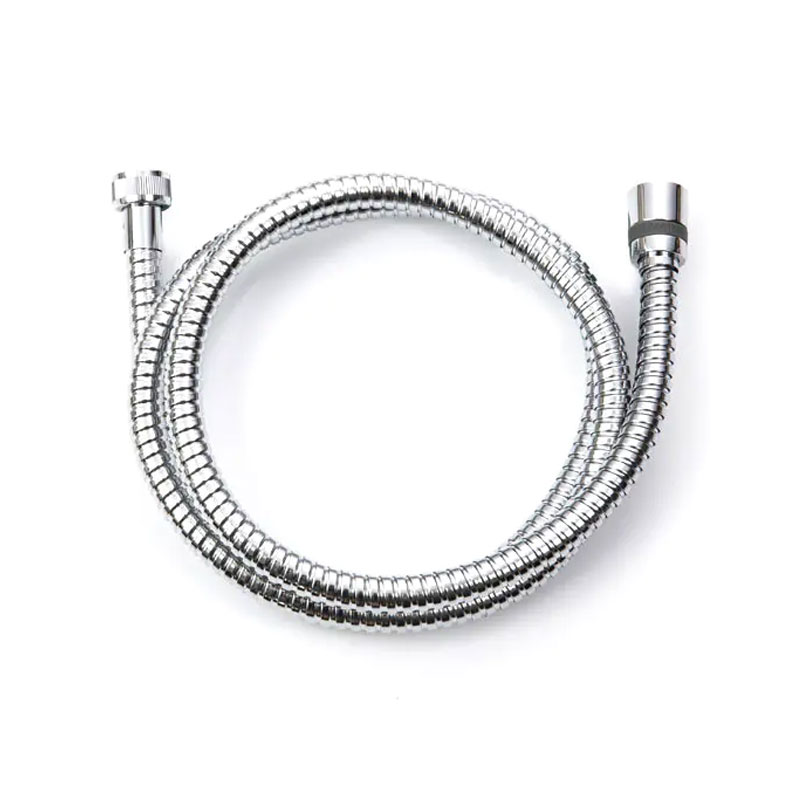
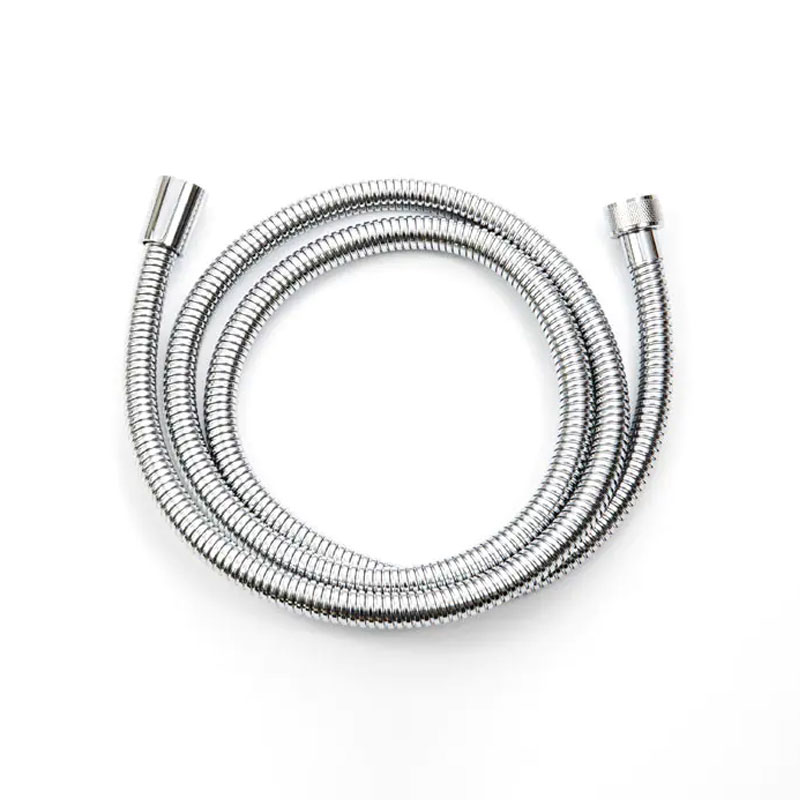
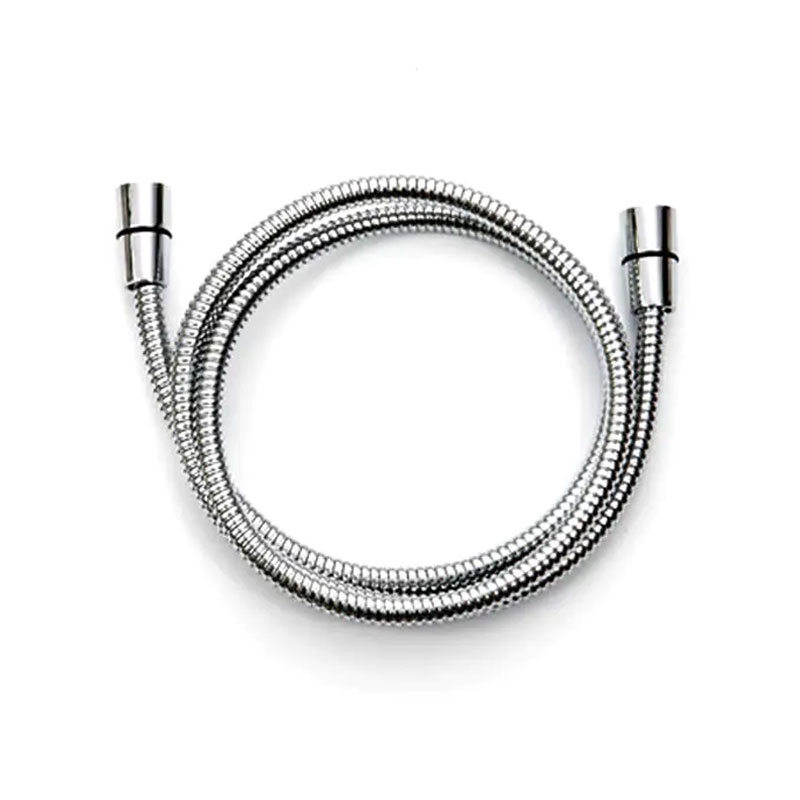
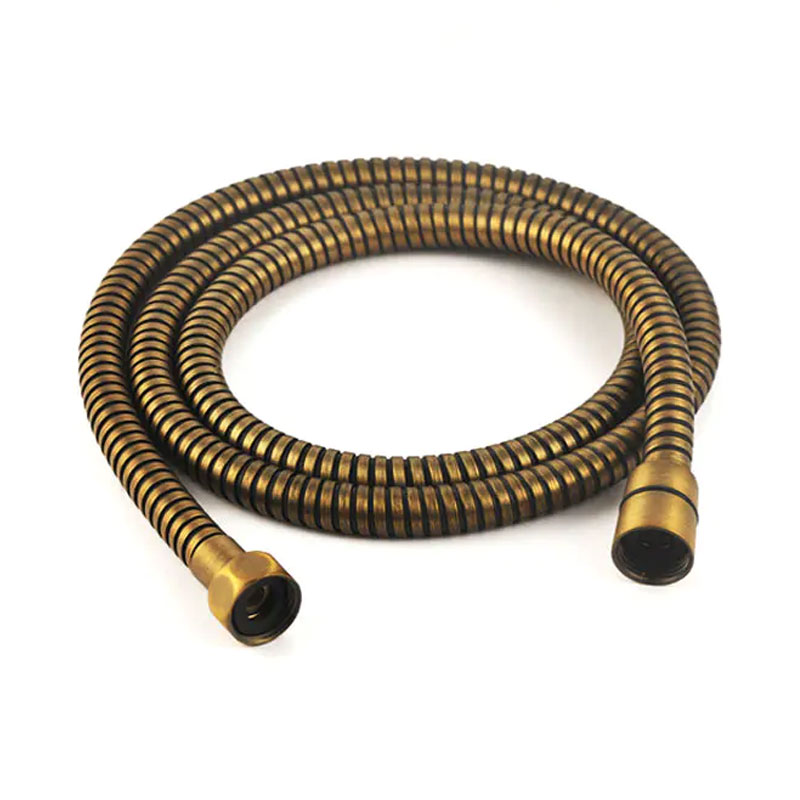
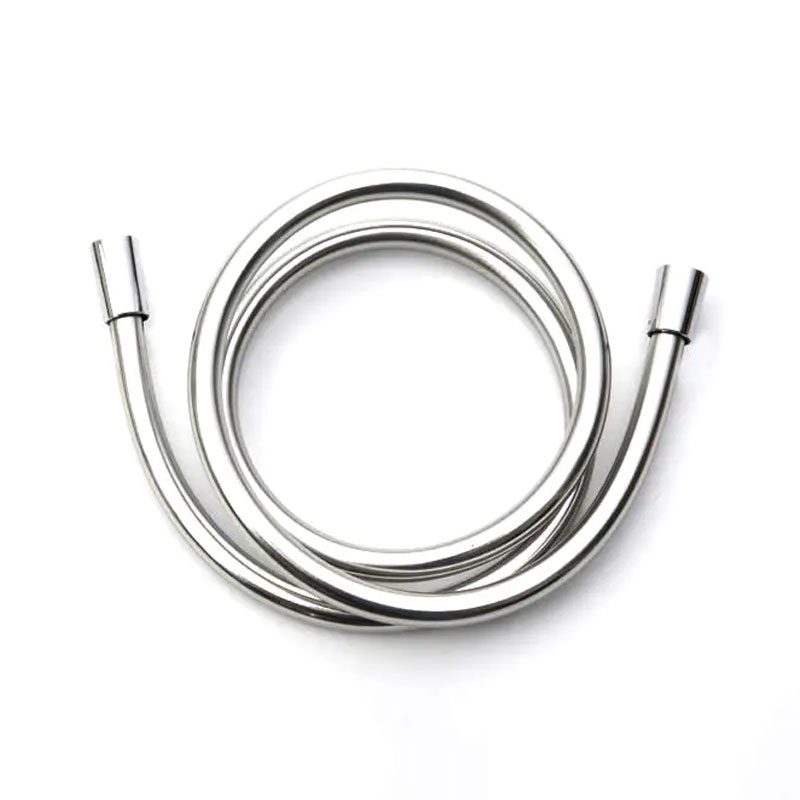
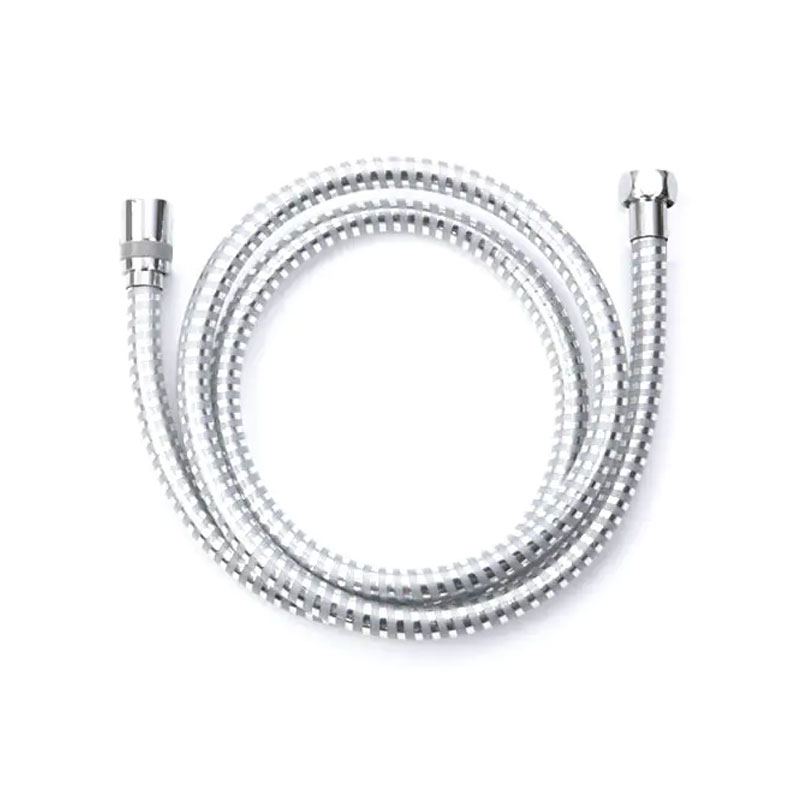
Replacing a shower hose is a straightforward DIY job that takes 10 to 20 minutes and requires no specialist plumbing knowledge. You unscrew the old hose at bot...
READ MORE
news
Are Shower Hoses Universal? How to Find the Right Fit for Your Shower
Update:29-07-2026
Content
- 1 Why "Universal" Shower Hoses Aren't Actually Universal
- 2 The Three Thread Standards You'll Actually Encounter
- 3 How to Check Your Shower's Fitting in Under 5 Minutes
- 4 When You'll Need an Adapter Instead of a Direct Swap
- 5 Length Matters as Much as Thread Size
- 6 Material Choice Affects Fit-and-Feel, Not Just Durability
- 7 Frequently Overlooked Fit Factors
Quick Answer
No, shower hoses do not fit all showers automatically — but most do, because roughly 90% of the market has standardized around one connector: the G1/2" (½-inch BSP) thread. If your current hose has a ½-inch conical nut on both ends, a replacement or upgrade shower hose with the same G1/2" thread will almost always screw straight on.
The exceptions are real, though: North American NPT/NPSM fittings, older ¾-inch valves, thermostatic mixer systems with non-standard cones, and specialty spa or wall-mounted units. This guide shows you exactly how to check which category your shower falls into before you buy.
1/2" Thread size on ~9 in 10 hoses worldwide
1.5m Most common hose length sold globally
0.825" Outer diameter of a standard male G1/2" thread
Why "Universal" Shower Hoses Aren't Actually Universal
Manufacturers label hoses "universal" because the connector geometry is standardized on paper — but a thread standard and a physical fit are two different things. Industry measurements confirm that the vast majority of flexible shower hoses and shower head connections follow the British Standard Pipe Parallel specification, commonly stamped as G 1/2″. That's the reason a hose bought online usually threads onto a shower head, a handset holder, or a mixer valve outlet without drama.
The catch is in three places that "universal" doesn't cover:
- Thread family, not just size. A 1/2" BSP nut and a 1/2" NPT nut are both "half inch," but the thread pitch and taper differ enough that forcing one onto the other strips the seal or cracks the fitting.
- Cone shape at the connection point. Many hoses use a conical washer-free seal rather than a flat rubber washer, and the taper angle on that cone varies slightly between brands, which is why two hoses that are both "1/2 inch" can still sit differently on the same shower head.
- Regional plumbing convention. What's standard in one country isn't automatically standard in another (more on this below).
The Three Thread Standards You'll Actually Encounter
Almost every compatibility question traces back to one of three thread systems. Knowing which one is on your wall narrows the search instantly.
| Thread Standard | Where It's Common | Nominal Size | Compatibility Notes |
|---|---|---|---|
| G1/2" (BSP) | UK, Europe, Australia, most global exports | 1/2" nominal, ~21mm OD | The de facto global default for handheld hoses and holders; interchangeable across nearly all brands using this system. |
| 1/2" NPT / NPSM | United States, Canada | 1/2" nominal, tapered thread | Standard for fixed shower arms and wall connections in North America; will not seal correctly against a BSP nut without an adapter. |
| 3/4" legacy fittings | Older homes (pre-renovation plumbing) | 3/4" nominal | Found on some vintage shower arms; needs a step-down adapter to accept any modern 1/2" hose. |
If you're unsure which category applies, the safest identifier is the shower arm or valve itself, not the hose. Checking the markings stamped on the shower arm and comparing them against these three categories resolves most cases in under a minute.
How to Check Your Shower's Fitting in Under 5 Minutes
You don't need a plumber's toolkit to confirm compatibility. A tape measure or caliper and the checklist below will tell you what to order.
Five-Step Fitting Check
- Unscrew the existing hose from both the shower head end and the wall/valve end (turn counter-clockwise; most nuts hand-loosen).
- Measure the male thread outer diameter on the shower arm or valve outlet — a standard G1/2" measures approximately 0.825 inches (21mm) across the thread peaks.
- Measure the female nut's inner diameter on the hose end you're replacing, taken across the thread valleys rather than the smooth outer casing of the nut.
- Inspect the cone shape at the sealing point — note whether it's a narrow or wide taper, since this affects seal quality even when the thread size matches.
- Check for a country-of-origin or standard stamp on the metal fitting itself (G1/2, BSP, NPT) — many manufacturers mark this directly on the nut.
Common mistake: Measuring the outside of the plastic or chrome nut casing instead of the actual thread. The nut housing is always larger than the thread diameter, which leads people to order the wrong size adapter.
When You'll Need an Adapter Instead of a Direct Swap
An adapter is a two-minute fix, not a downgrade — but only if you buy the right one. These are the situations where a direct hose swap won't work on its own:
Direct Swap Works When...
- Old and new hose are both G1/2" BSP
- You're staying within the same country's plumbing system
- The shower head, holder, and valve are all original to the installation
- You're simply extending or shortening length, not changing thread type
You'll Need an Adapter When...
- Moving a BSP hose onto an NPT valve (or vice versa)
- The wall fitting is 3/4" legacy plumbing
- You're importing a hose from a different region than your fixtures
- The mixer is a thermostatic or spa system with a proprietary cone
BSP-to-NPT and NPT-to-BSP adapters are widely available specifically because this mismatch is common enough to warrant a dedicated product category — it's not a rare edge case.
Length Matters as Much as Thread Size
Getting the thread right solves whether a hose fits. Getting the length right solves whether it's actually usable day to day.
- 1.5m (59 inches): The most widely stocked length and generally considered the most versatile size for standard shower enclosures and average-height users.
- 1.75m–2m (69–79 inches): Better suited to taller users or showers where the outlet sits low on the wall, avoiding the need to stoop.
- 2m+ (79 inches and up): Best for seated bathing, pet washing, or assisted-care setups that need extended reach beyond the shower zone itself.
A hose that's the correct thread but too short will still limit how you use your shower head; one that's too long can kink or coil awkwardly in a small enclosure. Match length to how the shower is actually used, not just to what was there before.
Material Choice Affects Fit-and-Feel, Not Just Durability
Two hoses with an identical G1/2" thread can behave very differently once installed, because the hose body material changes flexibility, kink resistance, and lifespan.
| Material | Typical Lifespan | Flexibility | Best For |
|---|---|---|---|
| Stainless steel braided | 3–5 years | Moderate | High-pressure systems, heavy daily use |
| PVC / plastic | 1–2 years | High | Lightweight, easy-clean, budget replacements |
| Silicone / specialty flexible tubing | Long-life, resists cracking | Very high | Custom installs, temperature extremes, food-safe or pure-water uses |
Frequently Overlooked Fit Factors
Water Pressure Compatibility
A hose that threads on perfectly can still underperform if it isn't rated for your home's pressure. Standard systems are typically designed around a 40–60 psi range, and pressure outside that band can cause leaks at the connection even when the thread match is correct.
Rubber Washer Condition
Even a perfectly matched thread will leak if the internal rubber washer inside the nut is cracked, flattened, or missing. This is the single most common cause of a "wrong size" complaint that's actually just a worn seal — replacing a $1 washer often solves what looks like a fitting mismatch.
Double-Ended vs. Single-Ended Connections
Most hoses use two identical conical ends, but double waterway systems (hot and cold routed separately, or hose-in-hose designs) require both ends to be verified independently — matching one end doesn't guarantee the other end matches too.
Choosing the Right Hose for Your Setup
Once you know your thread standard, length needs, and pressure range, matching a hose to your shower stops being guesswork. Our range is built around exactly these variables:
- Shower Hose Series — standard G1/2" fittings in multiple lengths for direct replacement
- Kitchen Braided Hose Series & Kitchen Faucet Tube Series — matched thread precision for sink and faucet installs
- Double Waterway Kitchen Hose — independent hot/cold routing for dual-function fixtures
- Special Material Hose & Custom Silicone Flexible Tubing — built for temperature extremes, longevity, and non-standard installs
- Pure Water Type Sprayer/Shower Header — for filtered or specialty water-line applications
News
-
-
First, pay attention to details and service, uninvited consumersFacing the deserted home furnishing market, many sanitary ware companies have seen "sparse" cust...
READ MORE -
To install a shower hose, turn off the water supply, unscrew the old hose from both the shower head and the wall outlet or hose bracket, wrap the threads of th...
READ MORE -
How to Change a Shower Hose: Quick Answer Changing a shower hose takes about 10 minutes and rarely needs a plumber: unscrew the old hose from the shower head a...
READ MORE -
Attaching a shower hose is a five-minute job if you know where the water actually seals. Most people assume the metal threads create the watertight connection....
READ MORE -
Usually, in addition to some commonly used bathroom furniture in the bathroom in the home, there are actually some small details that you have noticed, that is...
READ MORE

Contact us
-

-

+86-574-62321667
-

No.2 Chuangsheng West road, Wuma Industry Area, Lubu Town, Yuyao City, Zhejiang, China
Copyright © 2025 Yuyao Doflex Sanitary Ware Hose Co., Ltd., All Rights Reserved.
 Wholesale Bathroom Shower Hose Manufacturers