
 English
 Español
 Deutsch
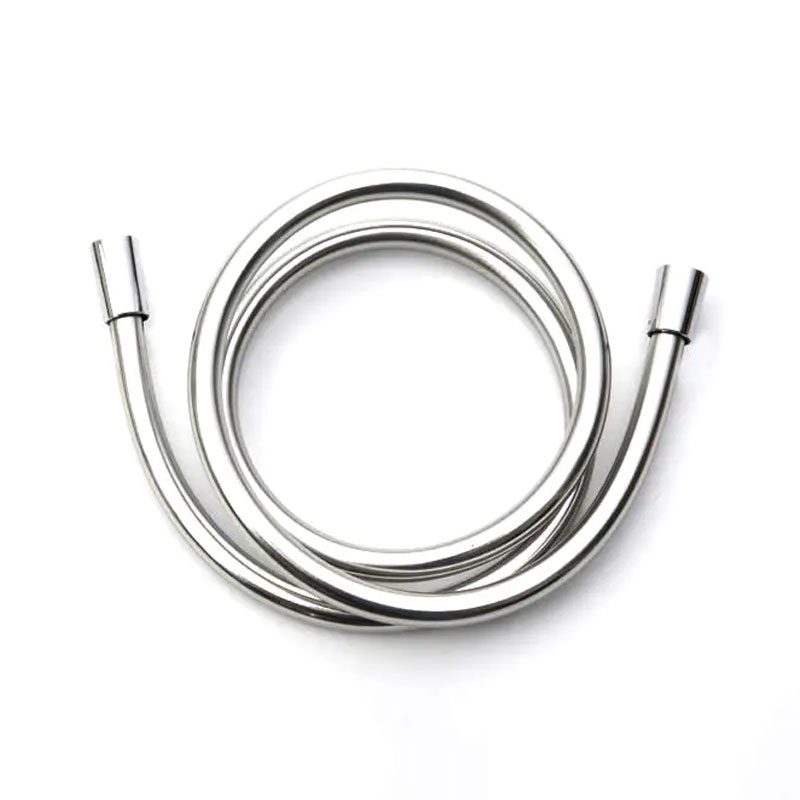
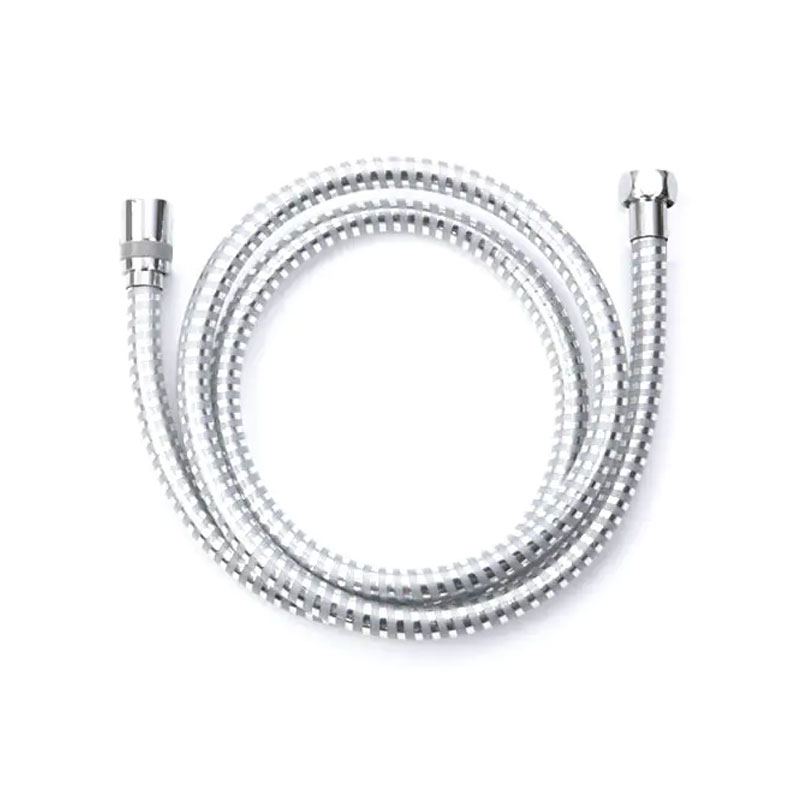
A shower hose is one of the most frequently replaced yet most overlooked components in any bathroom system. From residential retrofits to large-scale hospitali...
READ MORE
news
What are the practical differences between a Silicone Shower Hose and a PVC shower hose when it comes to long-term resistance to cracking and hardening?
Update:15-06-2026
Content
- 1 Direct Conclusion: Silicone Shower Hose vs PVC in Long-Term Durability
- 2 Material Behavior and Why Cracking Occurs
- 3 Flexibility and Structural Integrity Over Time
- 4 Resistance to Heat, Water Pressure, and Bathroom Conditions
- 5 Maintenance, Hygiene, and Surface Aging
- 6 Cost Efficiency and Lifespan Comparison
- 7 Final Practical Recommendation for Users
- 8 References / Sources
Direct Conclusion: Silicone Shower Hose vs PVC in Long-Term Durability
The practical difference is clear: a Silicone Shower Hose significantly outperforms PVC shower hoses in long-term resistance to cracking and hardening. Silicone typically maintains flexibility for 5–10 years under normal household conditions, while PVC hoses often begin to harden or develop surface cracks within 1–3 years due to plasticizer loss and thermal aging.
This means that in real bathroom use, especially in environments with frequent hot water exposure, a Silicone Shower Hose remains softer, safer, and more durable over time, whereas PVC gradually becomes brittle and less reliable.
Material Behavior and Why Cracking Occurs
To understand the difference, it is important to examine how materials degrade. PVC (polyvinyl chloride) relies heavily on plasticizers to remain flexible. Over time, heat exposure and water interaction cause these plasticizers to evaporate or leach out, leading to stiffness and micro-cracking.
In contrast, a Silicone Shower Hose is made from stable polymer chains that do not depend on plasticizers. This gives silicone a natural resistance to thermal degradation, maintaining elasticity even after thousands of hot water cycles.
- PVC: loses flexibility after repeated exposure to temperatures above 50°C
- Silicone Shower Hose: remains stable up to approximately 200°C in material tolerance
- PVC: prone to surface cracking after prolonged UV and humidity exposure
A real-world example can be observed in accessories like the rinseroo shower hose, where silicone-based designs are often preferred for flexible household applications.
Flexibility and Structural Integrity Over Time
Flexibility retention is one of the strongest advantages of a Silicone Shower Hose. Even after extended bending cycles—often exceeding 10,000 flex tests in manufacturing simulations—silicone maintains over 85% of its original elasticity.
PVC hoses, however, show a measurable decline in performance. After 2–3 years of daily use, stiffness increases by up to 40%, which contributes directly to cracking at bend points, especially near connectors.
This is particularly relevant in handheld shower systems where movement is constant. Products such as the rinseroo shower hose often highlight the importance of flexibility for multi-purpose cleaning tasks, reinforcing why silicone is widely adopted in modern designs.
Resistance to Heat, Water Pressure, and Bathroom Conditions
Bathrooms expose shower hoses to a combination of heat, pressure, and humidity. A Silicone Shower Hose performs consistently under hot water exposure up to 60°C in daily use conditions without structural weakening.
PVC hoses are more sensitive to heat cycling. Repeated exposure to hot water accelerates molecular breakdown, resulting in stiffness and eventual cracking along the hose wall.
- Silicone: stable under repeated thermal expansion and contraction
- PVC: weakens at connection joints under high pressure cycles
- Silicone Shower Hose: maintains consistent internal diameter for steady water flow
Maintenance, Hygiene, and Surface Aging
Maintenance is another key area where differences become visible. A Silicone Shower Hose resists mineral buildup and is easier to clean due to its smooth, non-porous surface.
PVC surfaces tend to develop micro-cracks over time, which trap moisture and encourage mold growth. This not only affects hygiene but also accelerates material degradation.
- Silicone: easy to wipe clean, low maintenance
- PVC: requires frequent cleaning to prevent buildup in cracked surfaces
- Silicone Shower Hose: maintains smooth surface even after years of use
In multifunctional bathroom tools such as the rinseroo shower hose, low-maintenance material selection is essential for long-term hygiene performance.
Cost Efficiency and Lifespan Comparison
Although PVC shower hoses are initially cheaper, their shorter lifespan reduces long-term cost efficiency. A typical PVC hose may need replacement every 1–3 years.
A Silicone Shower Hose, by comparison, often lasts 5–10 years, effectively reducing replacement frequency and long-term cost by up to 60% over a decade.
| Feature | Silicone Shower Hose | PVC Shower Hose |
|---|---|---|
| Average Lifespan | 5–10 years | 1–3 years |
| Cracking Resistance | High | Low to Medium |
| Hardening Over Time | Minimal | Significant |
Final Practical Recommendation for Users
For users prioritizing long-term durability, a Silicone Shower Hose is the most reliable choice due to its resistance to cracking, hardening, and thermal degradation.
PVC hoses may still be suitable for low-cost or temporary installations, but they are not ideal for environments with frequent hot water use or high flexibility demands.
In modern multi-purpose setups, including accessories like the rinseroo shower hose, silicone-based materials consistently deliver better long-term performance, making them the preferred solution for both residential and utility applications.
References / Sources
-
Zweifel, H., Maier, R. D., & Schiller, M. (2009). Plastics Additives Handbook. Hanser Publishers.
-
Brydson, J. A. (1999). Plastics Materials (7th ed.). Butterworth-Heinemann.
-
Wypych, G. (2015). Handbook of Material Weathering (5th ed.). ChemTec Publishing.
-
Mortier, R. M., & Malveda, M. P. (2003). Handbook of Polypropylene and Polyethylene. Marcel Dekker.
News
-
-
Quick Answer No, shower hoses do not fit all showers automatically — but most do, because roughly 90% of the market has standardized around one connector: the ...
READ MORE -
First, pay attention to details and service, uninvited consumersFacing the deserted home furnishing market, many sanitary ware companies have seen "sparse" cust...
READ MORE -
The short answer is mostly yes, but not always. Most shower hoses are built around a standard 1/2-inch BSP (British Standard Pipe) thread at both ends, so a re...
READ MORE -
Replacing a shower hose is a straightforward DIY job that takes 10 to 20 minutes and requires no specialist plumbing knowledge. You unscrew the old hose at bot...
READ MORE -
Attaching a shower hose is a five-minute job if you know where the water actually seals. Most people assume the metal threads create the watertight connection....
READ MORE

Contact us
-

-

+86-574-62321667
-

No.2 Chuangsheng West road, Wuma Industry Area, Lubu Town, Yuyao City, Zhejiang, China
Copyright © 2025 Yuyao Doflex Sanitary Ware Hose Co., Ltd., All Rights Reserved.
 Wholesale Bathroom Shower Hose Manufacturers