
 English
 Español
 Deutsch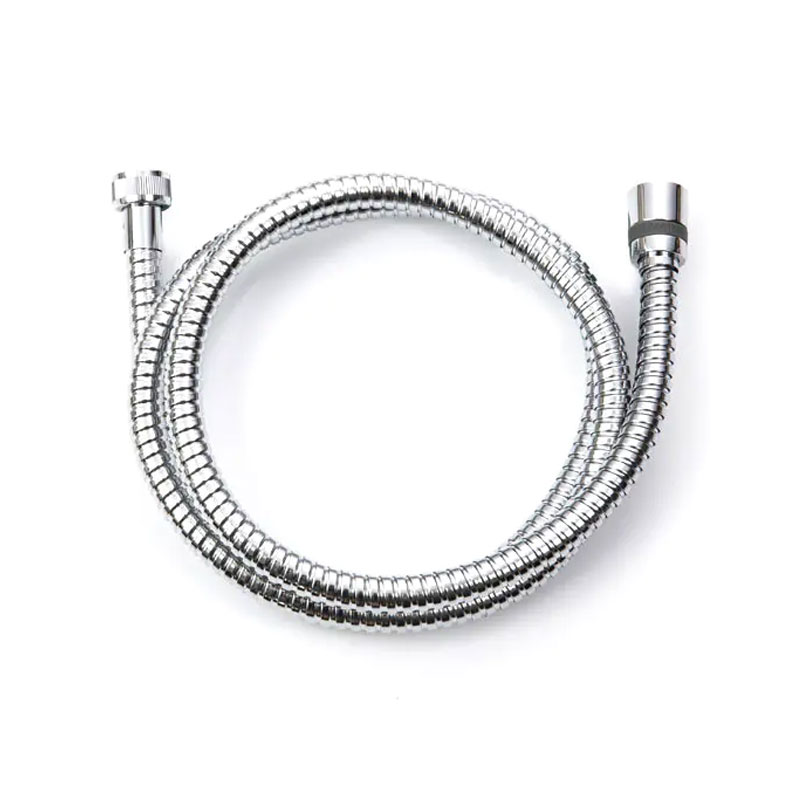
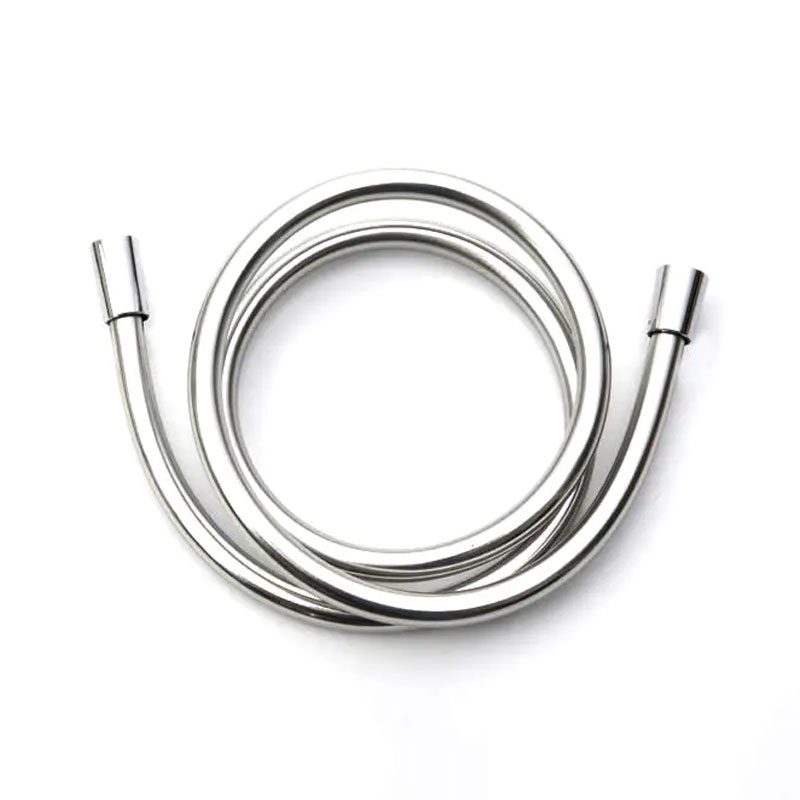
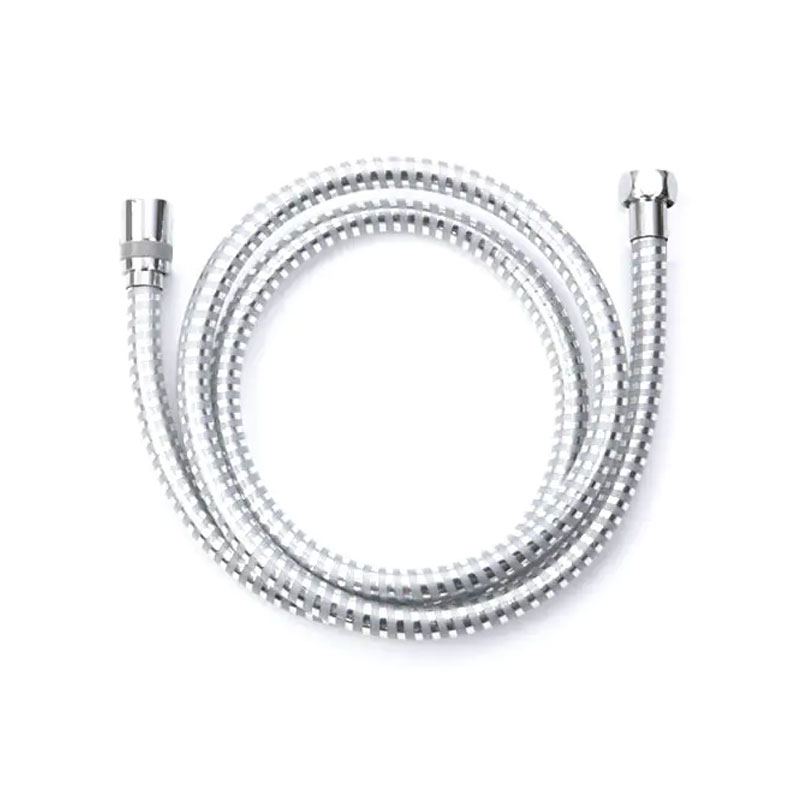
You notice it first in the drain after a shower: a few extra strands, then a small clump. You swap shampoos, skip the heat styler, and add vitamins, yet every ...
READ MORE
news
How to Pick the Best Shower Head Filter for Healthier Hair and Skin – Key Factors
Update:17-09-2026
Content
- 1 First, Understand What a Shower Filter Actually Removes
- 2 The Weakest Link: Your Shower Hose
- 3 Key Specifications to Look For in a Shower Filter System
- 4 Material Safety Certifications Matter More Than Brand Hype
- 5 Practical Steps to Upgrade Your Shower for Hair and Skin Health
- 6 Long-Term Performance and Maintenance
If your hair feels brittle and your skin looks dry even after switching to sulfate-free shampoo and moisturizing creams, the problem may not be your products—it may be your water. Chlorine, chloramines, and dissolved minerals like calcium and magnesium strip natural oils, leaving hair lifeless and skin irritated. The best shower head filter for hair and skin can reduce these contaminants, but the whole supply path—from the hose that carries water to the showerhead—matters just as much. A well-designed filter paired with a clean, durable shower hose delivers consistent results without introducing new problems.
First, Understand What a Shower Filter Actually Removes
A typical shower head filter uses a combination of KDF (Kinetic Degradation Fluxion) media, activated carbon, and sometimes calcium sulfite to reduce chlorine and certain heavy metals. The best ones also lower chloramines and reduce scale-forming minerals. But no filter removes everything. If your incoming water is extremely hard (over 180 mg/L), a shower filter alone will not soften it. That requires a whole-house water softener. For most people, however, a well-maintained shower filter that reduces chlorine by 90% or more will noticeably improve hair texture and skin comfort within two to three weeks.
The Weakest Link: Your Shower Hose
Even the best shower head filter becomes less effective if the hose delivering water adds back contaminants. Many standard PVC hoses contain plasticizers and stabilizers that can leach into hot water, especially when the water temperature exceeds 60 °C. Over time, internal surfaces can also harbor biofilm—a slimy layer of bacteria that grows in stagnant warm water. A shower head filter may reduce chlorine, but it cannot prevent bacteria from forming downstream of the filter. This is where hose material selection becomes critical.
Why Silicone Hoses Outperform PVC
Food-grade silicone hoses resist high temperatures without releasing plasticizers. They are naturally flexible, do not crack or harden with age, and their smooth inner walls make biofilm formation less likely. Silicone also does not impart any taste or odor to water. For a shower filter setup intended to improve skin and hair, switching from a generic PVC hose to a 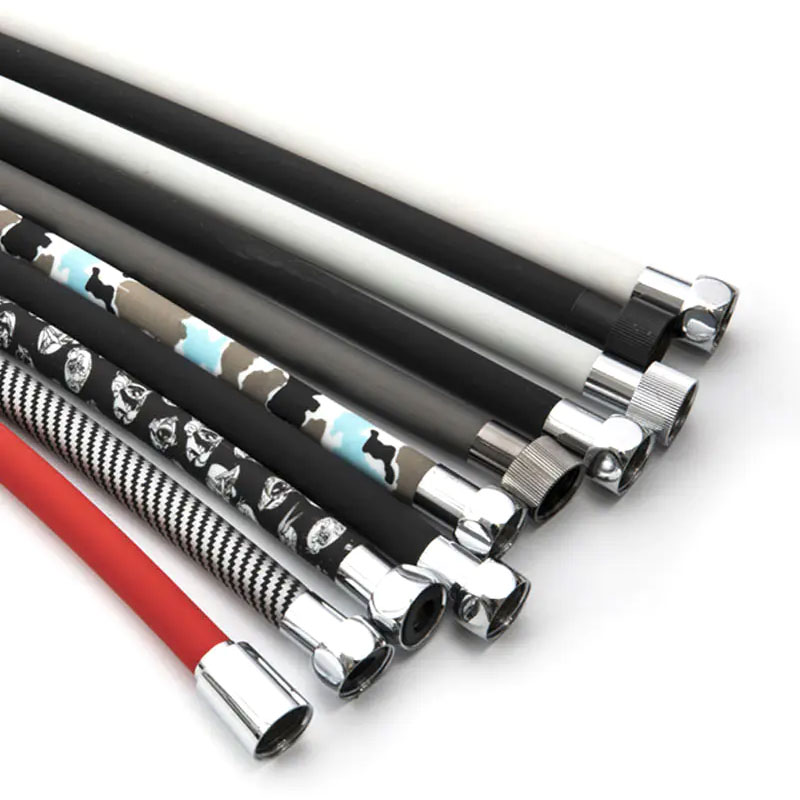 Silicone Shower Hose for Cleaner, Odor-Free ShoweringUpgrading from a standard PVC hose to a food-grade silicone model reduces biofilm buildup and eliminates plastic taste, making it a smart complement to your shower filter.View Product → is a simple, cost-effective upgrade that preserves the filter’s gains.
Anti-Twist and Slim Designs for Stability
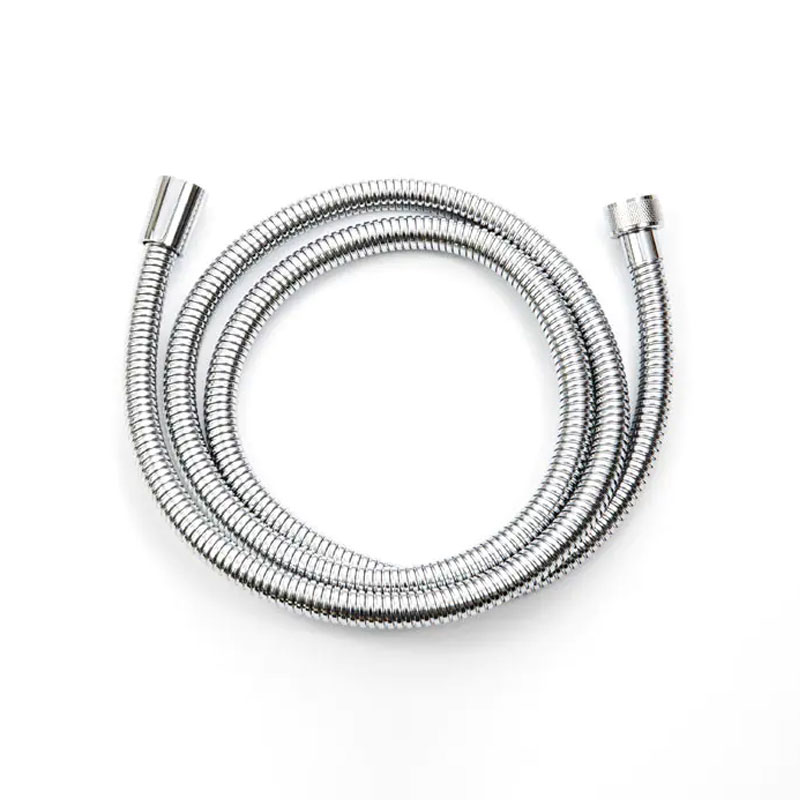
A twisting hose can kink and restrict flow, reducing the effectiveness of the filter by lowering water pressure through the media. An 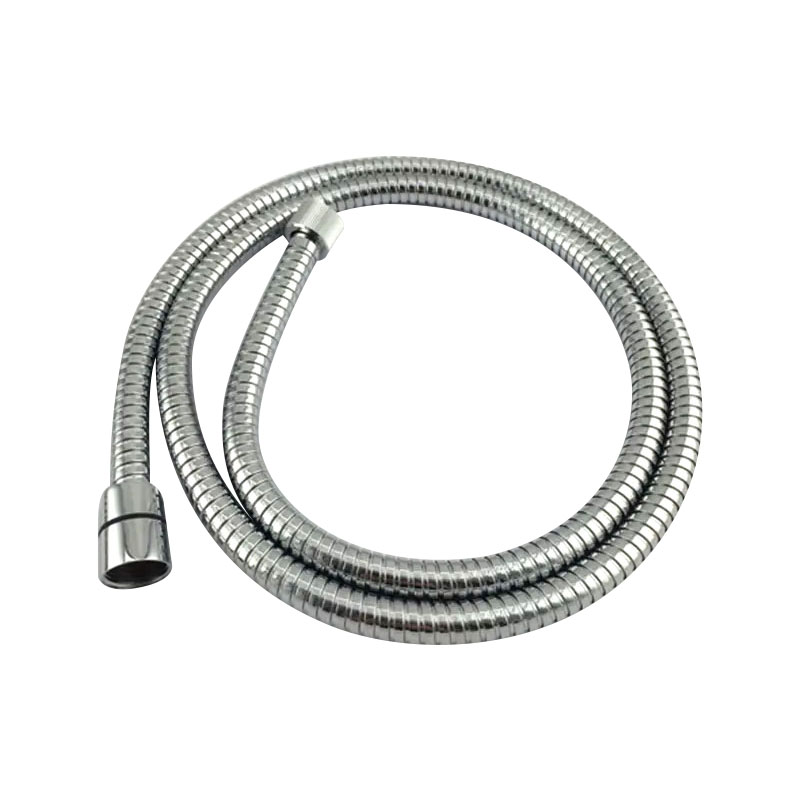 Anti-Twist Shower Hose for Steady Water PressureA swivel connection prevents the hose from kinking, ensuring consistent water flow through your filter media and avoiding pressure drops that reduce filtration efficiency.View Product → uses a swivel connection that prevents tangling while maintaining full flow. Slim models also help reduce the internal volume of the hose, meaning less water sits idle between showers—reducing stagnation and potential bacterial growth.
Key Specifications to Look For in a Shower Filter System
When selecting a shower head filter, focus on three measurable metrics:
- Chlorine reduction rate: Look for ≥90% reduction at a flow rate of 2.0 GPM. Lower rates may not protect your hair and skin effectively.
- Flow rate compatibility: Most standard showers output 1.8–2.5 GPM. The filter should not drop below 1.5 GPM or you’ll notice reduced pressure.
- Filter cartridge lifespan: Typical cartridges last 3–6 months depending on chlorine levels. A transparent housing helps you monitor media condition.
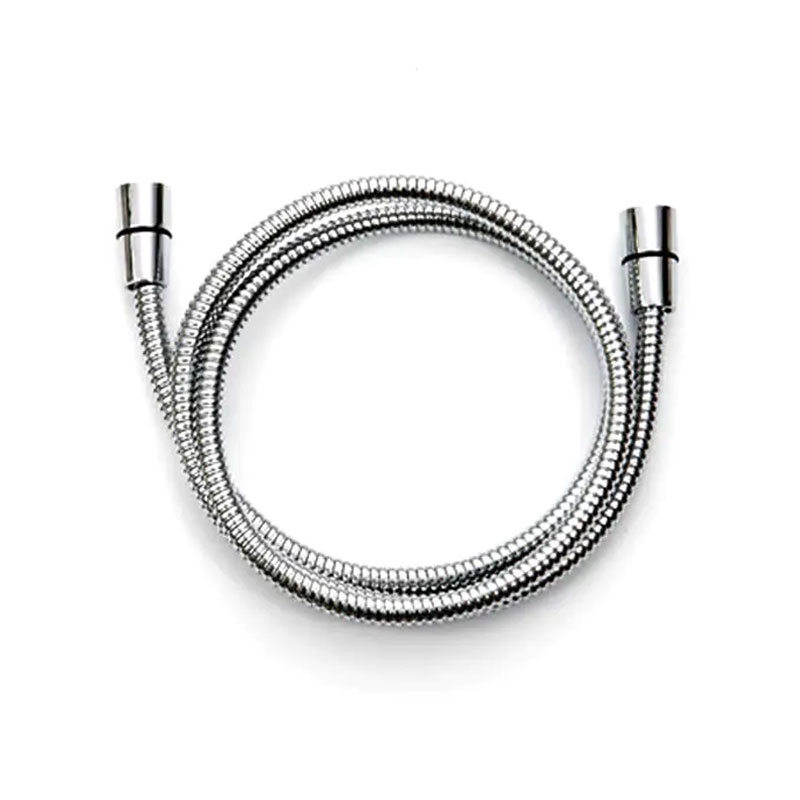
Pairing such a filter with a that uses a dedicated nozzle design can further improve the showering experience, especially if your water supply is already pre-filtered for total dissolved solids.
Material Safety Certifications Matter More Than Brand Hype
The market is flooded with shower filters from trendy DTC brands, but many use the same generic cartridge inside a plastic shell. What separates a reliable setup from a risky one is the certification of every water-contact material. For example, a silicone hose that carries KTW and WRAS certification has been tested for drinking water contact in European markets. Similarly, a shower head filter housing should be made from BPA-free ABS or stainless steel. Doflex, a manufacturer with ISO 9001 and ISO 14001 certifications, as well as product-specific certifications like CE EN1113, WRAS, and KTW for its hoses, ensures that every component from the hose to the showerhead meets rigorous international standards. This is particularly important when using the filter for sensitive skin conditions like eczema or acne.
| Material | Temperature Resistance | Leaching Risk | Biofilm Resistance | Certification Examples |
|---|---|---|---|---|
| Standard PVC | Up to 60 °C | Moderate (plasticizers) | Low | None common |
| Reinforced PVC | Up to 70 °C | Low to moderate | Low | REACH |
| Silicone (food‑grade) | Up to 120 °C | Very low | High (smooth surface) | KTW, WRAS, FDA |
| Stainless steel braided | Up to 90 °C | Negligible | Moderate | CE, RoHS |
The table shows that silicone offers the best combination of heat resistance and low leaching—critical when a shower filter raises water contact time. Even if the filter removes chlorine, any leaching from the hose can introduce new irritants for the scalp and skin.
Practical Steps to Upgrade Your Shower for Hair and Skin Health
Here is a straightforward order of upgrades that will give you the most benefit for your investment:
- Install a shower head filter that reduces chlorine and chloramines. Replace the cartridge on schedule.
- Replace the old PVC hose with a certified silicone hose to prevent secondary contamination. Look for KTW or WRAS certification.
- Consider an anti-twist or slim model to maintain steady flow and reduce stagnant water volume.
- If you have extremely hard water, combine the filter with a water softener (point-of-use or whole-house) for maximum softness.
After these changes, many users report less frizz, reduced scalp itchiness, and improved skin hydration within two weeks. The key is consistency: once a filter cartridge is exhausted, chlorine returns to baseline levels, so stick to replacement schedules recommended by the manufacturer.
Long-Term Performance and Maintenance
A shower filter system is not a set‑and‑forget solution. Even the best hose will eventually accumulate mineral scale if the water is hard. Flushing the hose monthly with a vinegar solution (1:3 ratio) can extend its life. Doflex’s shower hose series includes models with reinforced ends that resist cracking from frequent disconnection—a practical detail when changing filter cartridges. Also, choose a hose with a standard ½‑inch fitting that matches virtually all standard shower arms and filter outlets. Custom‑length options may be worth considering if your existing setup has an unusual distance between the filter and the showerhead.
In short, the best shower head filter for hair and skin works best when combined with a high‑quality, low‑leaching shower hose. Brands like Doflex, which build components from certified materials and offer a wide range of hose options—from silicone to anti‑twist designs—provide the reliability needed for consistent water quality. Upgrade your hose alongside your filter, and you’ll feel the difference in every shower.
News
-
-
Quick Answer No, shower hoses do not fit all showers automatically — but most do, because roughly 90% of the market has standardized around one connector: the ...
READ MORE -
First, pay attention to details and service, uninvited consumersFacing the deserted home furnishing market, many sanitary ware companies have seen "sparse" cust...
READ MORE -
Attaching a shower hose is a five-minute job if you know where the water actually seals. Most people assume the metal threads create the watertight connection....
READ MORE -
Direct Conclusion: Silicone Shower Hose vs PVC in Long-Term Durability The practical difference is clear: a Silicone Shower Hose significantly outperforms PVC ...
READ MORE -
To install a shower hose, turn off the water supply, unscrew the old hose from both the shower head and the wall outlet or hose bracket, wrap the threads of th...
READ MORE

Contact us
-

-

+86-574-62321667
-

No.2 Chuangsheng West road, Wuma Industry Area, Lubu Town, Yuyao City, Zhejiang, China
Copyright © 2025 Yuyao Doflex Sanitary Ware Hose Co., Ltd., All Rights Reserved.
 Wholesale Bathroom Shower Hose Manufacturers