
 English
 Español
 Deutsch
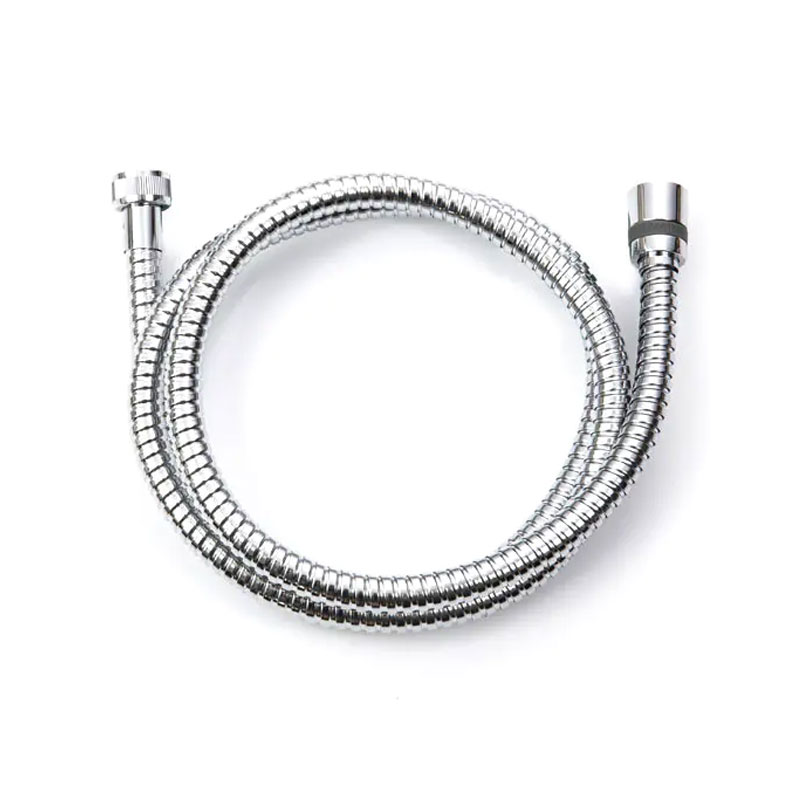
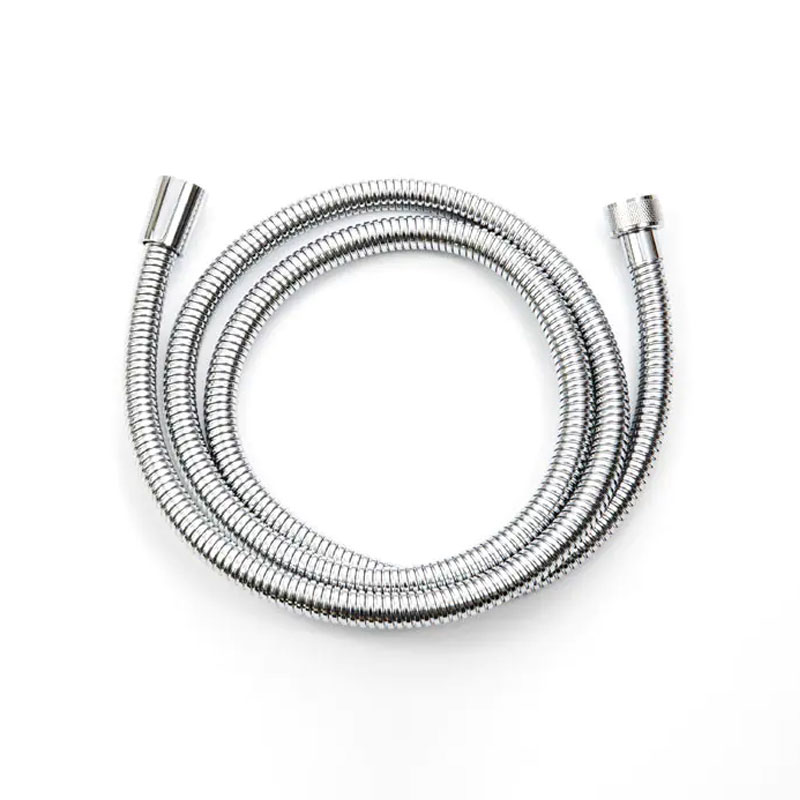
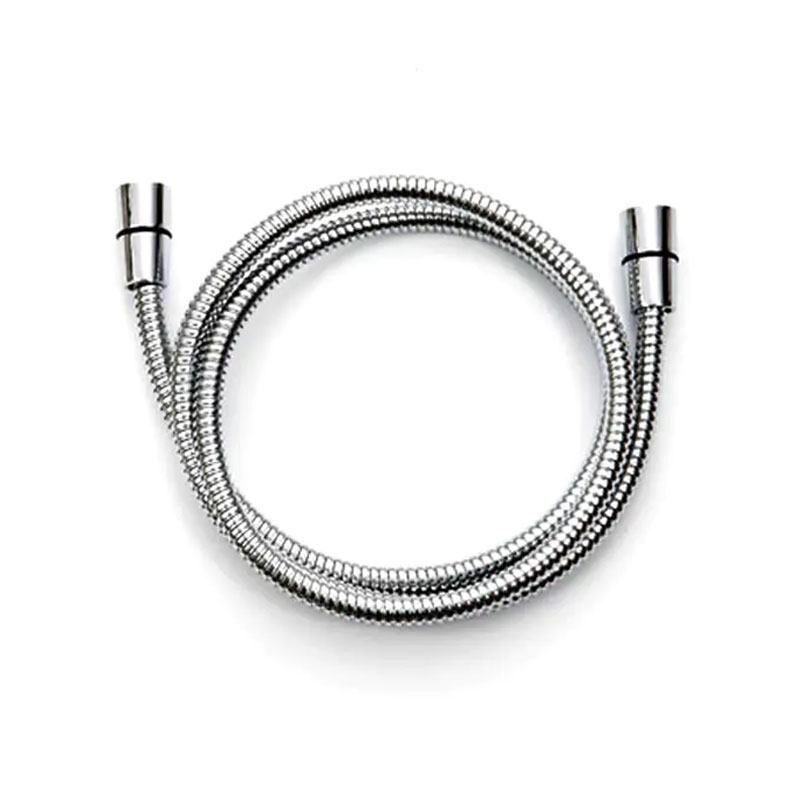
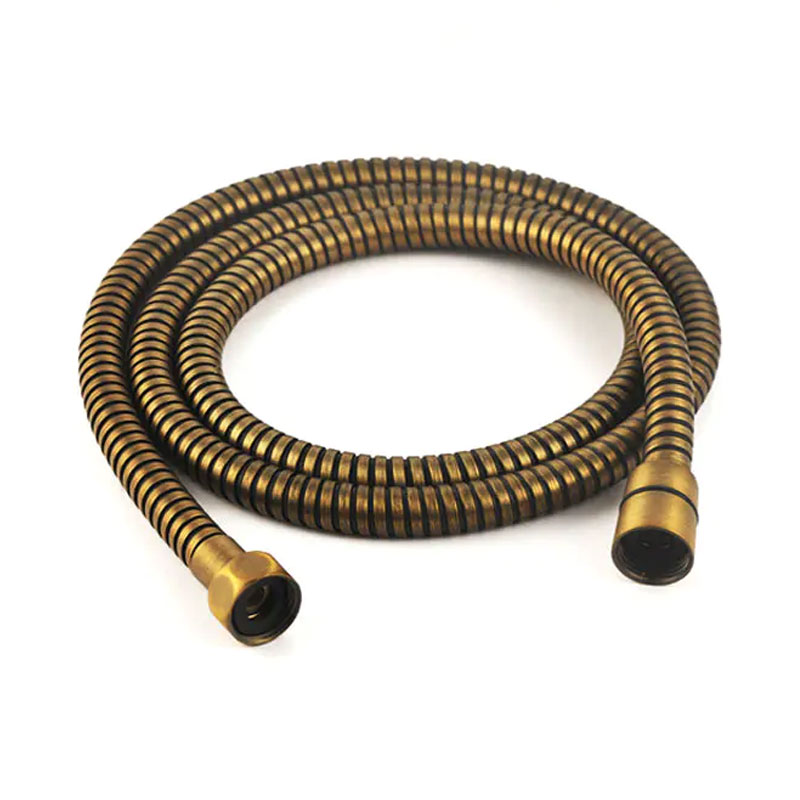
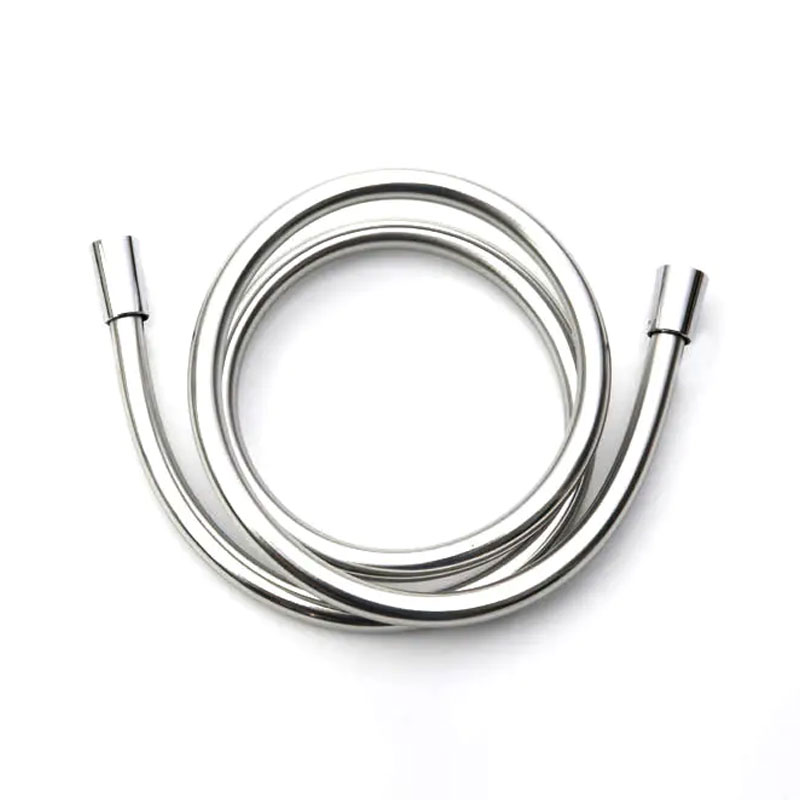
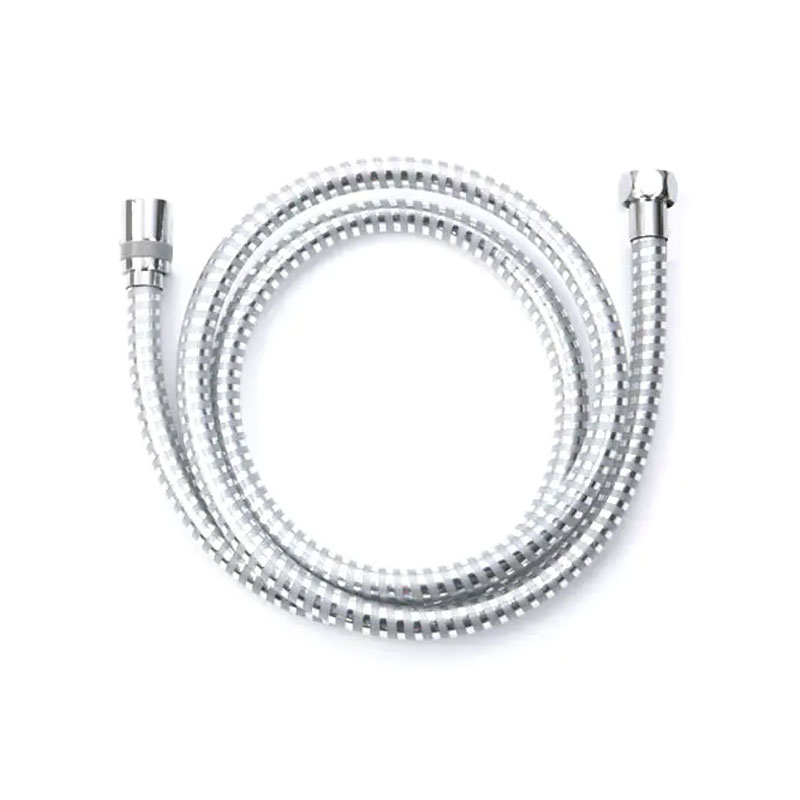
If you have ever stood in front of a shower hose display wondering whether any of them will fit your bathroom, you are not alone. A shower hose looks like a si...
READ MORE
news
How Does a Bathtub Spout Diverter Work? A Clear, Practical Guide for Homeowners
Update:29-10-2026
Content
Anyone who has ever taken a bath in a tub-and-shower combination has used a bathtub spout diverter, even if the name never crossed their mind. It is the small lever, button, or knob on the tub spout that sends water up to the showerhead. When it works, you do not notice it. When it stops working, a simple bath can turn into a plumbing puzzle. In this guide, we explain how a bathtub spout diverter works, why it sometimes fails, and how a quality shower hose helps the whole system perform day after day.
What Is a Bathtub Spout Diverter?
A bathtub spout diverter is a small valve built directly into the body of the tub spout. Its job is straightforward: choose which outlet the water uses. With the diverter in its closed, normal position, water flows out through the spout opening and fills the tub. When you lift the lever, push the button, or rotate the knob, the diverter closes off that lower opening and forces water upward through the shower riser pipe and into the showerhead.
In most residential tub spouts, the diverter is mechanical and manual. A stem or plunger moves inside the spout when you operate the handle. The moving part presses a rubber washer against a machined seat inside the spout. That simple seal changes the path of the water without any complex electronics or pumps.
How Does a Bathtub Spout Diverter Work?
The working principle is easiest to understand by following the water. Water enters the spout from the supply pipe and normally travels straight out through the open end. The diverter stem sits in a vertical chamber above or behind that outlet. When you pull the lever up, the attached stem rises with it. At the top of its travel, a rubber seal presses against a seat inside the spout, shutting off the forward opening. Since the water is still under pressure, it now has only one place to go: upward through the shower outlet.
Some diverters use a rotating cam, while others use a spring-loaded plunger, but the principle remains the same. The diverter does not generate pressure; it simply closes one path and allows the existing water pressure to open the other.
| Diverter position | Internal valve state | Water flows to |
|---|---|---|
| Down / closed | Spout outlet open | Tub spout |
| Up / activated | Spout outlet sealed | Showerhead |
When you push the lever back down, the stem returns, the seal lifts off its seat, and water resumes flowing from the spout. That is why you might hear a small thud when switching modes — the moving parts are doing their job.
Common Types of Bathtub Spout Diverters
Not all diverters look the same, and knowing the type helps with maintenance. The most common is the lift-and-lock design, where you pull up on a lever located on top of the spout and it stays up until you push it down. Some spouts use a push-button on the face of the spout. There are also rotary diverters with a small knob that you turn. All of these share the same underlying idea: a movable seal redirects water between two outlets.
Automatic diverters are less common in tub spouts. They rely on a pressure balance between the shower outlet and the tub spout outlet, so when the shower is switched on at the valve, the water automatically chooses the showerhead once flow passes a certain threshold. For most bathtub spout systems, though, you are dealing with a manual mechanical diverter that you control directly.
Diverter Problems and Practical Maintenance
Bathtub spout diverters are durable, but they live in a tough environment. Hard water, temperature changes, and years of use can leave mineral deposits on the stem and seal. The most frequent issues are mineral buildup, a worn or cracked rubber washer, and small debris from the supply line getting trapped inside the spout.
Here are the signs that your diverter needs attention:
- Water still trickles from the tub spout while the shower is running.
- The lever feels stiff or does not stay in the up position.
- The shower flow drops unexpectedly while the tub spout flow remains normal.
In many cases, cleaning the spout interior with white vinegar or replacing the rubber seal restores normal operation. If the spout itself is corroded or cracked, replacing the entire spout is often simpler than repairing it. A diverter that only partially seals will waste water and reduce shower pressure, so it is worth fixing early.
A weak shower can also be caused by a blocked or kinked shower hose, not by the diverter itself. A quality shower hose with a smooth inner core helps maintain even pressure. If the hose is old, cracked, or stiff, it can restrict water flow and make a perfectly good diverter feel defective.
How the Shower Hose Affects Diverter Performance
Once the diverter sends water upward into the shower riser, the shower hose takes over. It carries water from the wall outlet to the showerhead, and its material and inner diameter matter more than many people realize. Thin liners, sharp bends, or heavy scale buildup can reduce flow and add strain to the whole system.
Stainless steel hoses offer strength and corrosion resistance, while silicone hoses stay flexible even in hot water and resist scaling. Anti-twist designs reduce kinking, which is especially helpful in compact tub-and-shower alcoves.
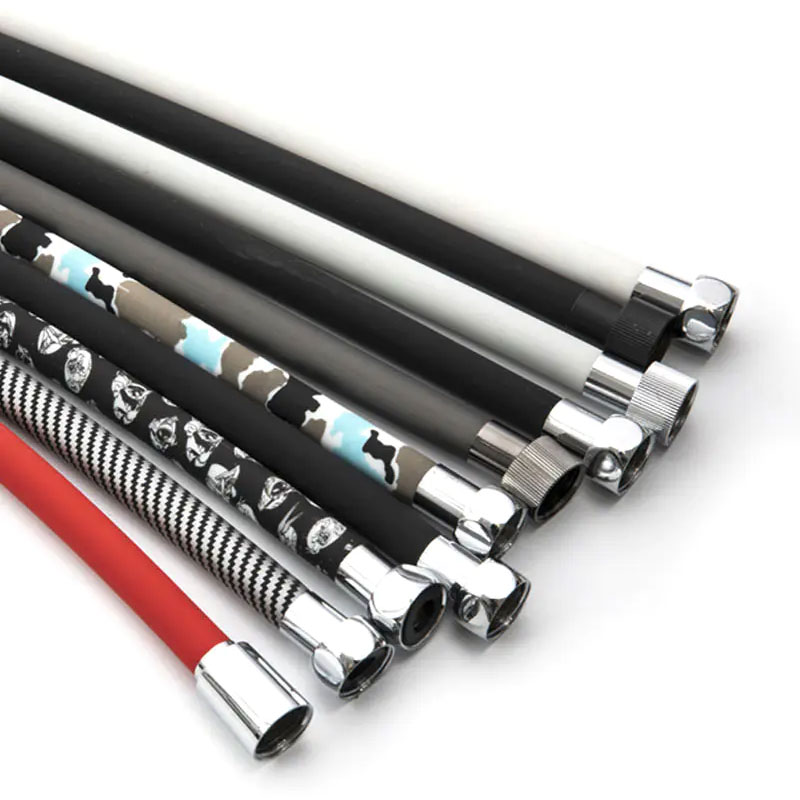 Flexible Silicone Shower Hose with CE CertificationThis silicone hose resists scaling and stays flexible in hot water, making it a reliable upgrade for handheld showers in compact alcoves.View Product →
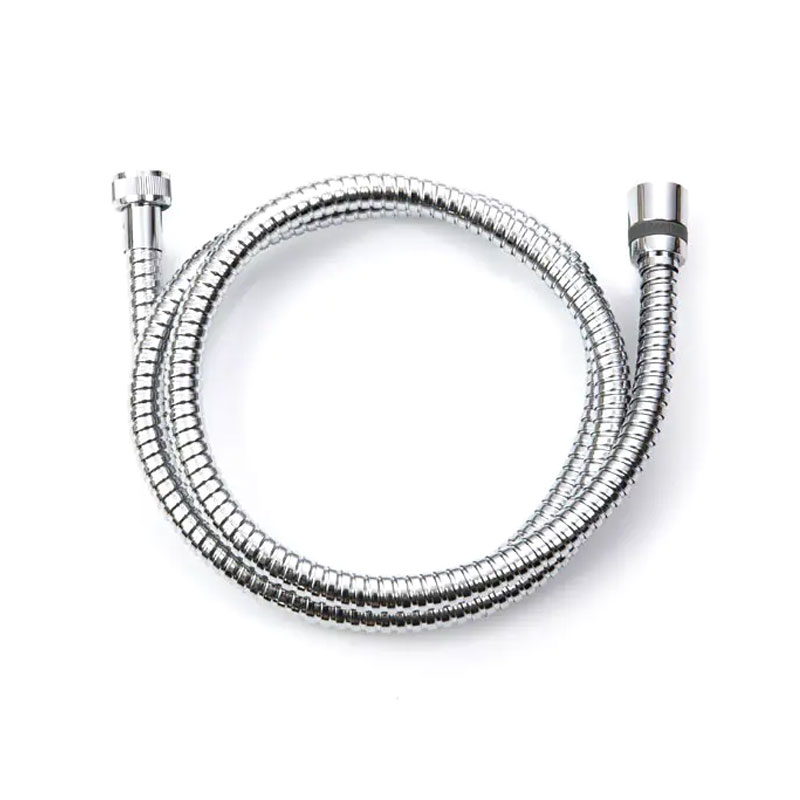 Corrosion-Resistant Stainless Steel Shower HoseBuilt for strength and corrosion resistance, this stainless steel hose offers durability for daily use and fits standard shower connections.View Product →
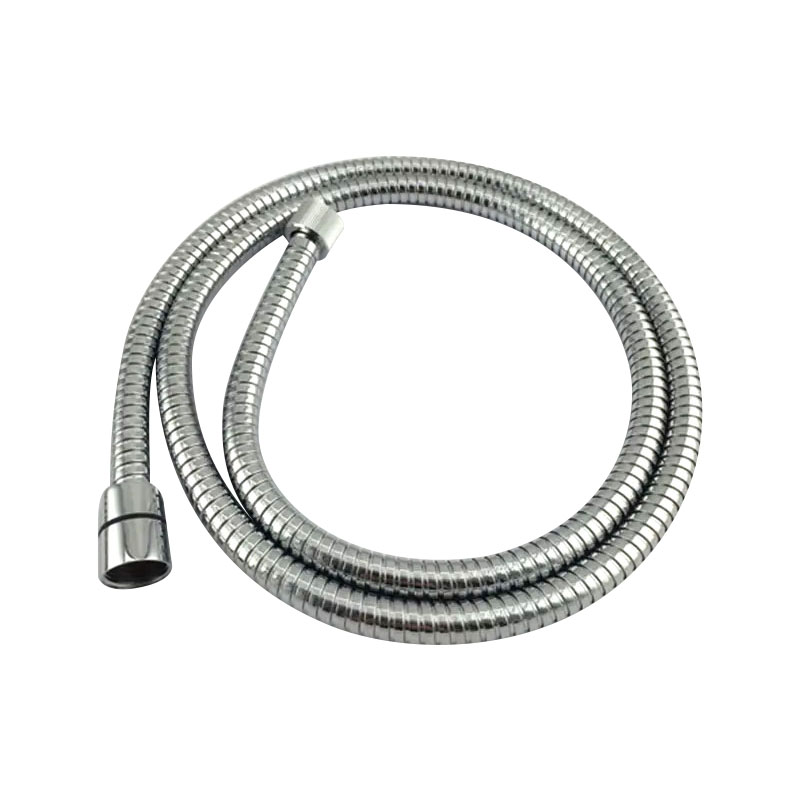 Anti-Twist Chrome Shower Hose with Brass FittingsDesigned to prevent kinking, this chrome-finished hose features brass nuts and a 15-bar rating for dependable, twist-resistant water flow.View Product →
When you replace a shower hose, focus on two things: solid nuts and a smooth inner tube. Those two details prevent most flow and leak problems. And as a manufacturer of shower hoses and flexible bathroom connectors, we have seen how often a simple hose upgrade solves what looked like a diverter problem. If you are unsure which type fits your tub spout, our guide to choosing a bathroom hose covers the key differences between silicone, PVC, and stainless steel braid.
Understanding how a bathtub spout diverter works turns a confusing leak into a manageable fix. Most of the time, the real culprits are a worn seal or a hose that can no longer pass water easily. Clean the parts, replace the rubber washer, and upgrade to a shower hose that will not fight the flow. If you are planning a bathroom refresh and want components that last, we would be glad to help. Get to know our approach to quality and manufacturing on our about page.
News
-
-
Choosing a new shower head sounds like one of the simplest bathroom upgrades, until you start comparing models. Fixed or handheld? Chrome or matte black? Rain ...
READ MORE -
A handheld shower head is one of the easiest bathroom upgrades there is, and most installations take about fifteen minutes with an adjustable wrench and a roll...
READ MORE -
Whether you are replacing a cracked hose at home or specifying components for a new bathroom, the length of a standard shower hose is one of those details that...
READ MORE -
How to Change a Shower Hose: Quick Answer Changing a shower hose takes about 10 minutes and rarely needs a plumber: unscrew the old hose from the shower head a...
READ MORE -
As a manufacturer of sanitary ware hoses, we hear this question from homeowners and plumbers alike: how do I stop my shower hose from leaking? The good news is...
READ MORE

Contact us
-

-

+86-574-62321667
-

No.2 Chuangsheng West road, Wuma Industry Area, Lubu Town, Yuyao City, Zhejiang, China
Copyright © 2025 Yuyao Doflex Sanitary Ware Hose Co., Ltd. , All Rights Reserved.
 Wholesale Bathroom Shower Hose Manufacturers