
 English
 Español
 Deutsch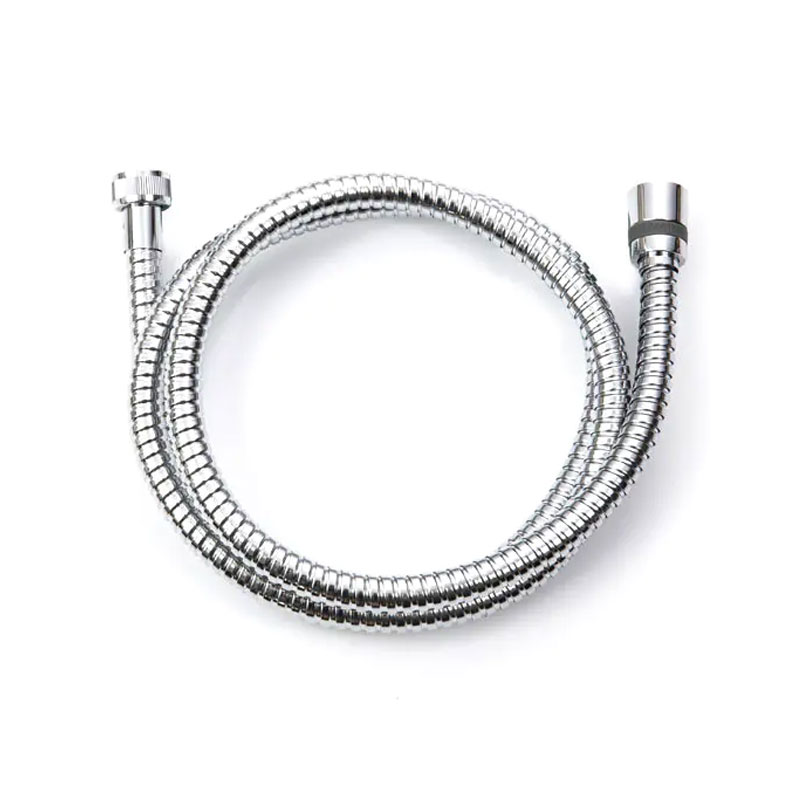
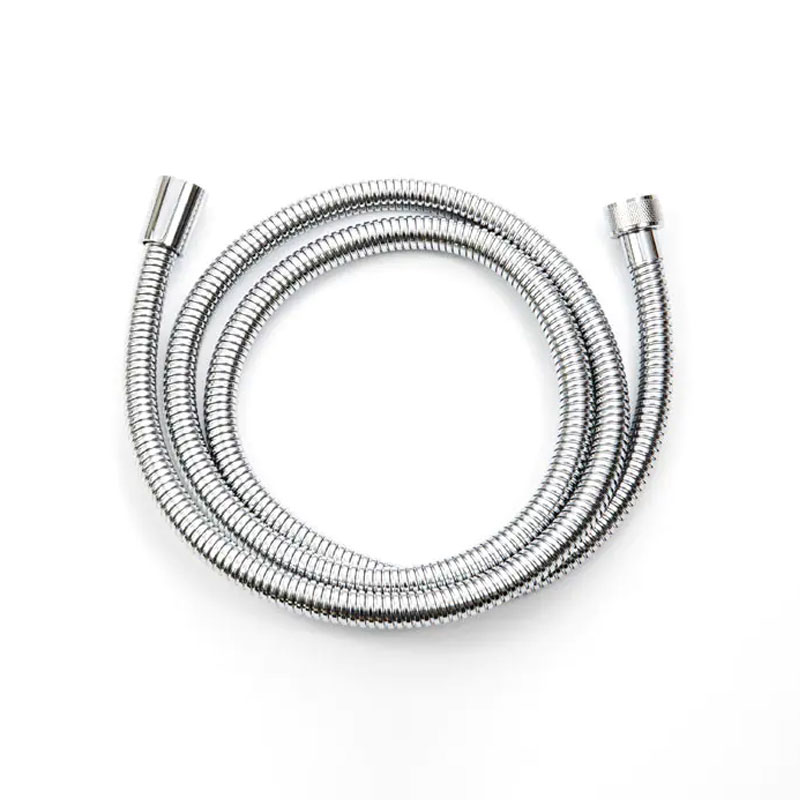
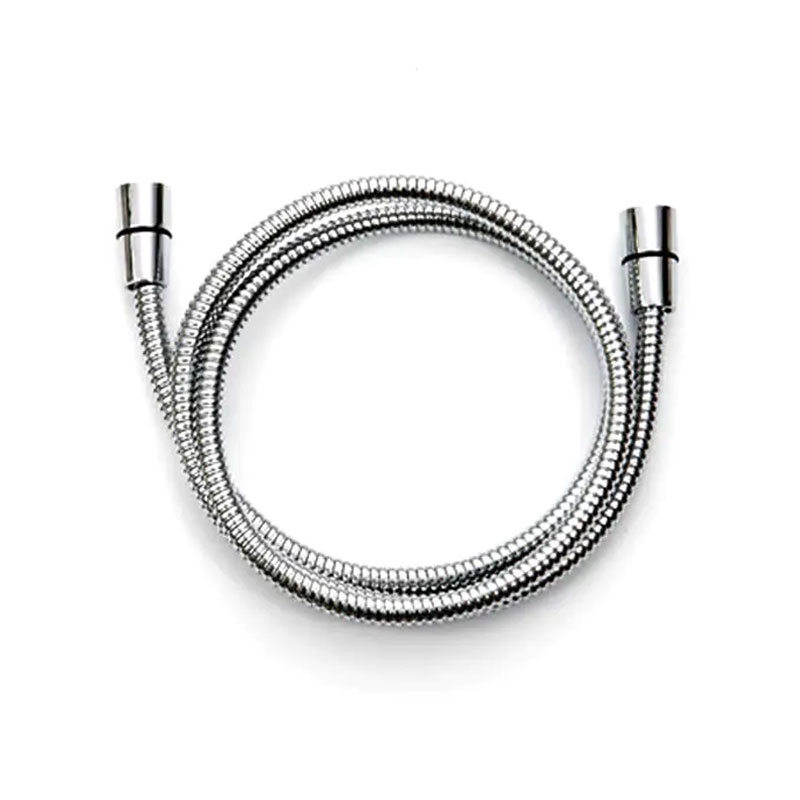
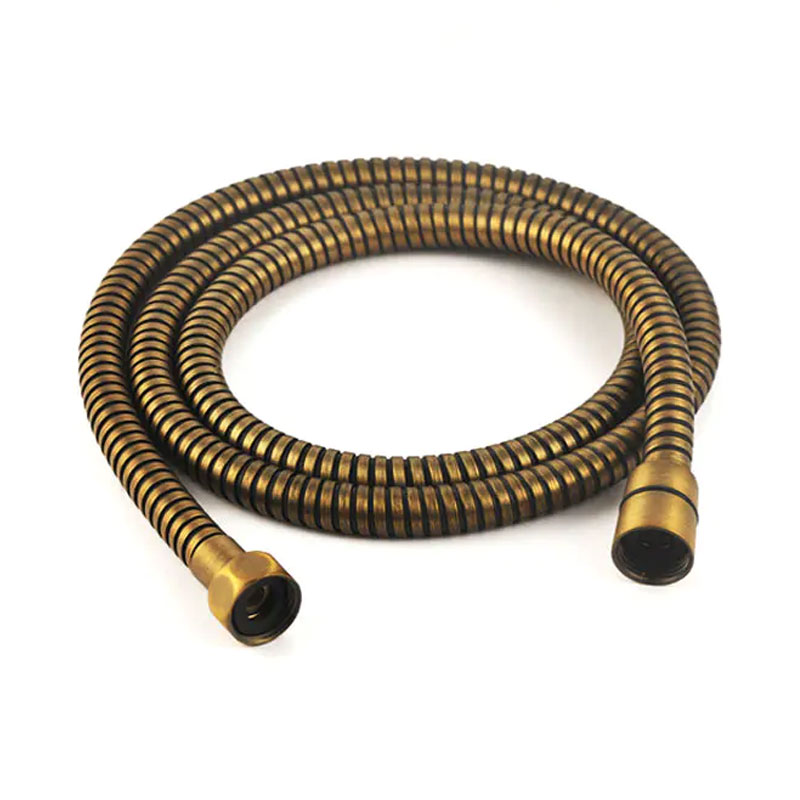
As a manufacturer of sanitary ware hoses, we hear this question from homeowners and plumbers alike: how do I stop my shower hose from leaking? The good news is...
READ MORE
news
How Do I Know What Shower Hose to Buy? A Practical Guide for Homeowners
Update:07-10-2026
Content
If you have ever stood in front of a shower hose display wondering whether any of them will fit your bathroom, you are not alone. A shower hose looks like a simple part, but the details decide whether it connects easily, moves smoothly, and lasts for years. This guide walks you through the handful of checks that matter most, so you can buy with confidence the first time.
Start with the Thread Size and Fittings
Nearly all shower hoses sold today use a standard 1/2-inch BSP thread on both ends. One end connects to the shower arm or wall outlet, and the other connects to the hand shower or showerhead. That means, in most homes, an old hose can be unscrewed and a new one fitted without any special tools.
Still, it pays to look closely. Some hoses use conical ends that seat into the fitting and create a watertight seal, while others use flat washers. If your shower arm is an unusual size or an older model, compare the new hose with the old one before you buy. When in doubt, hand the old hose to the supplier and ask for a matching replacement.
Choose the Right Length
Length is mostly about the distance between the wall outlet and the hand shower, plus a little freedom to move. A 1.5-metre hose suits most bathrooms. If the outlet sits close to the showerhead, a shorter hose looks neater. If you rinse the shower tray, wash kids, or clean pets, a 2-metre hose gives more reach.
| Length | Best For | Keep In Mind |
|---|---|---|
| 1.25 m (4 ft) | Compact bathrooms, fixed hand showers | Less slack, fewer tangles |
| 1.5 m (5 ft) | Most standard shower setups | The most common replacement size |
| 2 m (6.5 ft) | Large showers, rinsing children or pets | Can feel bulky in small spaces |
If your bathroom needs change from day to day, an extensible hose can stretch when you need extra reach and relax back when you do not. It is a practical middle ground between a fixed 1.5-metre hose and a long one.
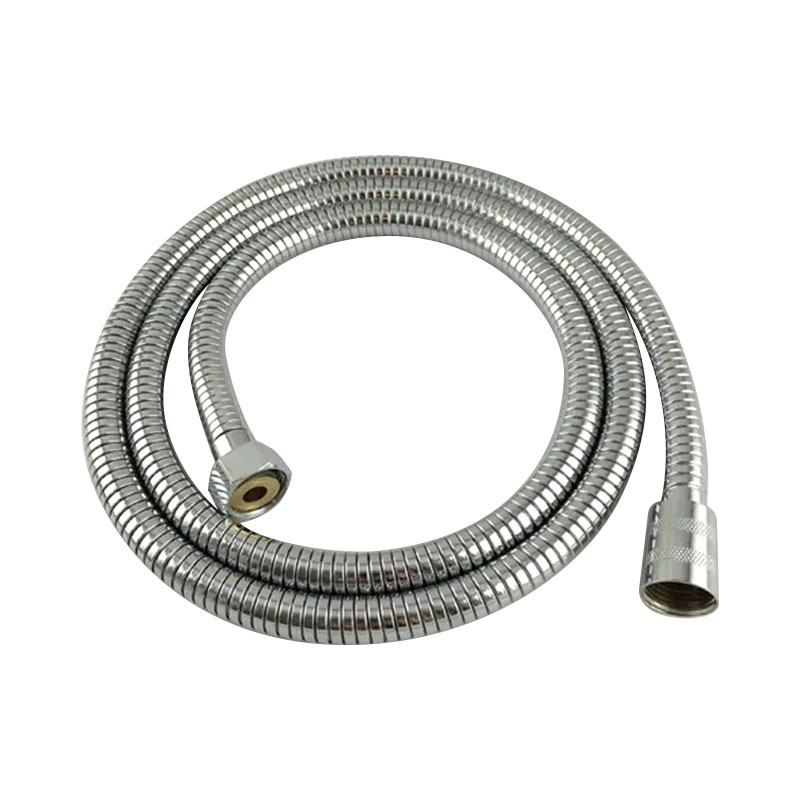 Extensible Shower Hose with Double Lock and Chrome FinishThis 1.5m hose stretches to 2.1m for extra reach when needed. Made with SUS201 steel and brass fittings, it suits users who want flexibility without a permanently long hose.View Product →
Pick the Material That Matches Your Water and Habits
Material determines flexibility, durability, weight, and how the hose looks after a few years of hard water and daily use. Three options cover most needs.
Stainless Steel
Stainless steel hoses are the classic choice. The braided metal exterior resists abrasion, looks bright in traditional bathrooms, and holds up well in daily service. They are heavier than plastic or silicone hoses, so choose one with solid nuts and a smooth swivel to avoid stress at the connections.
PVC
PVC hoses are lightweight and economical. A well-made PVC hose with a reinforced inner tube and properly plated nuts gives dependable service. They are available in a wide range of finishes and are often the easiest to bend in tight spaces.
Silicone
Silicone hoses have become a favourite in modern bathrooms. They stay flexible in both hot and cold water, resist hardening and cracking longer than ordinary PVC, and come in colours that let you match or accent the room. If you want a hose that feels soft and looks neat, silicone is a strong candidate. You can browse our shower hose series to see the range of materials and colours we manufacture.
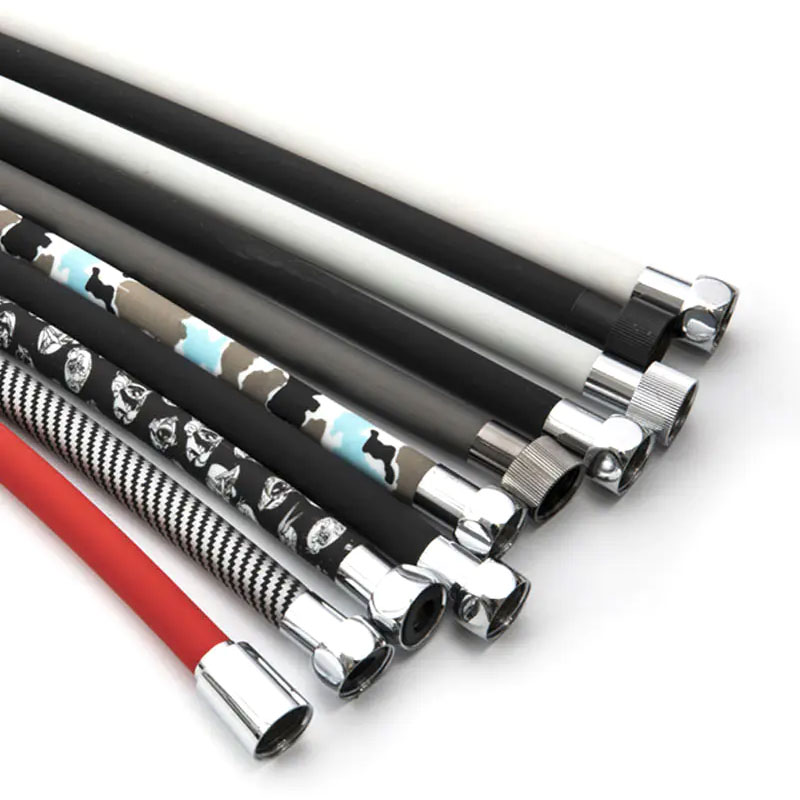 Silicone Shower Hose in Various ColorsSoft and easy to match your bathroom decor, this silicone hose resists hardening and cracking in hot and cold water. A practical choice for a modern, tidy shower setup.View Product →
| Material | Strengths | Trade-Offs |
|---|---|---|
| Stainless steel | Durable, scratch-resistant, classic look | Heavier, depends on core quality |
| PVC | Lightweight, affordable, many finishes | Lower-cost types can harden over time |
| Silicone | Flexible, heat-resistant, colour options | Premium price, needs quality fittings |
Check the Construction Details That Prevent Frustration
A hose can look perfect on the outside and still twist, kink, or drip. The inner tube matters because it carries the water. The nuts matter because they take the stress of every bend. The swivel at the top matters because it lets the hand shower turn without twisting the hose.
- Anti-twist design: a swivel joint that rotates with the hand shower, so the hose does not wind up and fight you during use.
- Quality nuts: brass or stainless nuts with clean threads seat firmly and resist corrosion.
- Smooth inner tube: a full-bore tube keeps water flow steady and reduces pressure loss.
The outer coil and inner tube work together. A firm outer coil protects the tube from impact and helps the hose keep its shape, while a supple inner tube keeps water moving freely. If the inner tube is too thin, water pressure makes it bulge and the hose feels hard over time. Look for a hose that lists its inner-tube material and working pressure rating.
Anti-twist construction is the feature our customers ask about most after they have lived with a twisty hose for a few months. It costs a little more, but it removes the daily annoyance of untangling the hose every time you shower.
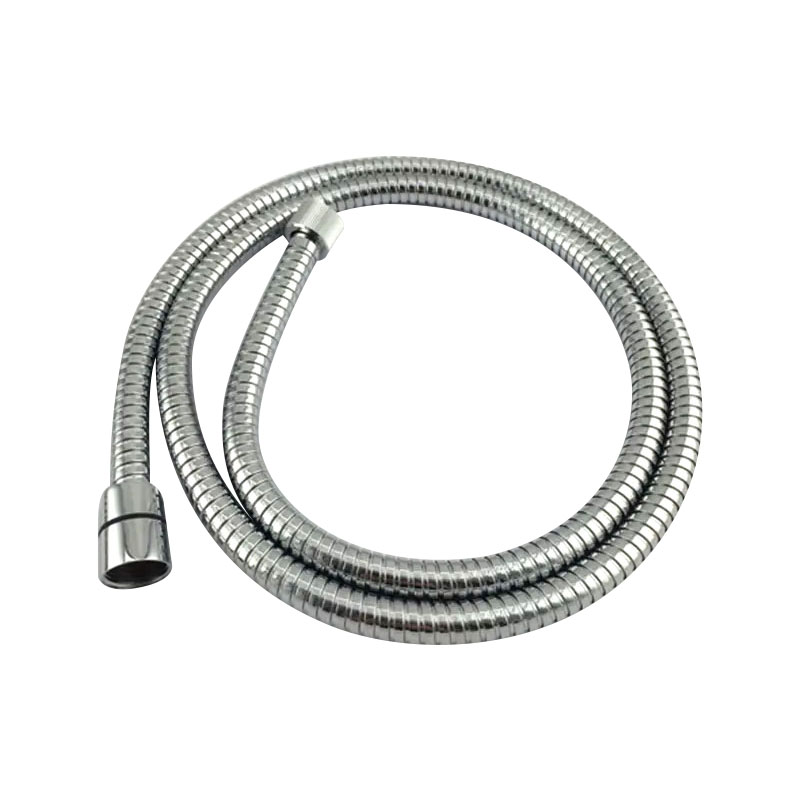 Anti-Twist Shower Hose with Brass NutsDesigned to prevent tangling, this chrome-finished hose uses anti-twist brass nuts and a 0.17mm stainless steel core. It reduces the daily annoyance of kinks and twists.View Product →
Look for Water Safety Certifications
Shower water touches your skin and, in many homes, your mouth when you rinse. A quality hose should be made from materials that are safe for contact with drinking water. Look for certifications such as KTW, WRAS, ACS, or DVGW, depending on your market. These marks mean the hose has been tested against strict limits for taste, odour, and chemical migration.
In Europe, CE EN1113 is the standard that covers flexible shower hoses. If you are buying for a rental property, a hotel, or any project where compliance must be documented, check the product sheet rather than relying on the label alone. Our company certifies its shower hoses under these schemes, and the full standards discussion is available in our complete professional guide to shower hose types and standards.
Match the Finish to Your Bathroom
Once the technical boxes are ticked, look at the finish. The hose is usually visible, so it should sit comfortably next to your showerhead, taps, and wall fittings. Chrome remains the safest match for traditional bathrooms. Brushed nickel and matte black suit contemporary rooms. Gold, rose gold, and other special finishes add a designer touch. Coloured silicone hoses give you the freedom to introduce a fresh accent without changing the rest of the fittings.
A Quick Checklist Before You Buy
- Confirm the thread size and end fittings match your existing setup.
- Measure the distance you need to cover and choose the length.
- Pick a material that suits your water quality and bathroom style.
- Prefer anti-twist construction and quality nuts for daily comfort.
- Verify water safety certifications for peace of mind.
- Choose a finish that looks right in your bathroom.
The right shower hose is not the most expensive one on the shelf. It is the one that connects easily, moves freely, stays clean, and lasts for years. If you keep these checks in mind, choosing becomes simple.
News
-
-
How to Change a Shower Hose: Quick Answer Changing a shower hose takes about 10 minutes and rarely needs a plumber: unscrew the old hose from the shower head a...
READ MORE -
To install a shower hose, turn off the water supply, unscrew the old hose from both the shower head and the wall outlet or hose bracket, wrap the threads of th...
READ MORE -
Attaching a shower hose is a five-minute job if you know where the water actually seals. Most people assume the metal threads create the watertight connection....
READ MORE -
Replacing a shower hose is a straightforward DIY job that takes 10 to 20 minutes and requires no specialist plumbing knowledge. You unscrew the old hose at bot...
READ MORE -
Quick Answer No, shower hoses do not fit all showers automatically — but most do, because roughly 90% of the market has standardized around one connector: the ...
READ MORE

Contact us
-

-

+86-574-62321667
-

No.2 Chuangsheng West road, Wuma Industry Area, Lubu Town, Yuyao City, Zhejiang, China
Copyright © 2025 Yuyao Doflex Sanitary Ware Hose Co., Ltd., All Rights Reserved.
 Wholesale Bathroom Shower Hose Manufacturers