
 English
 Español
 Deutsch
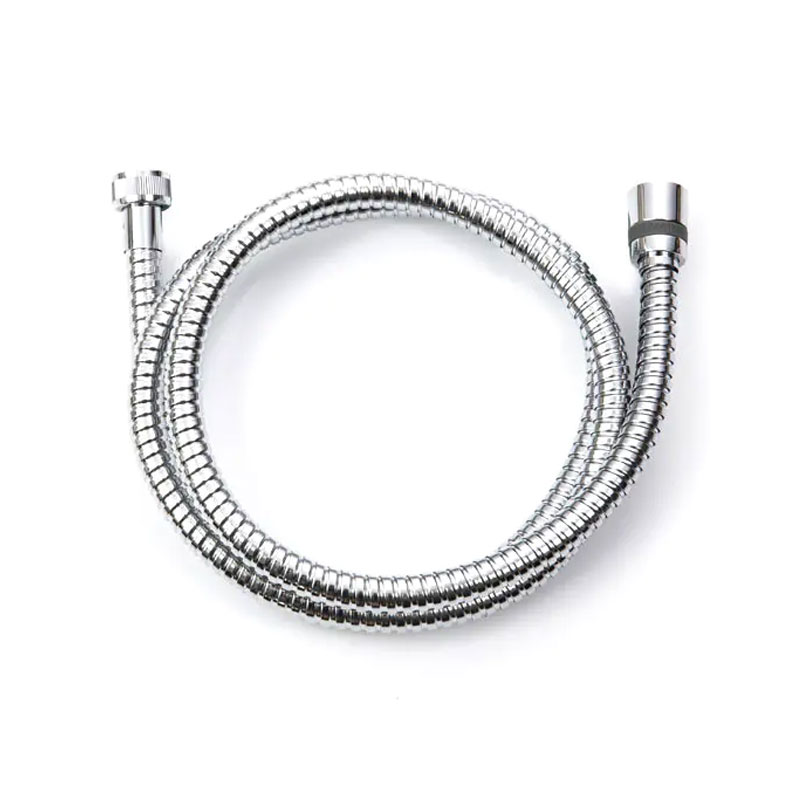
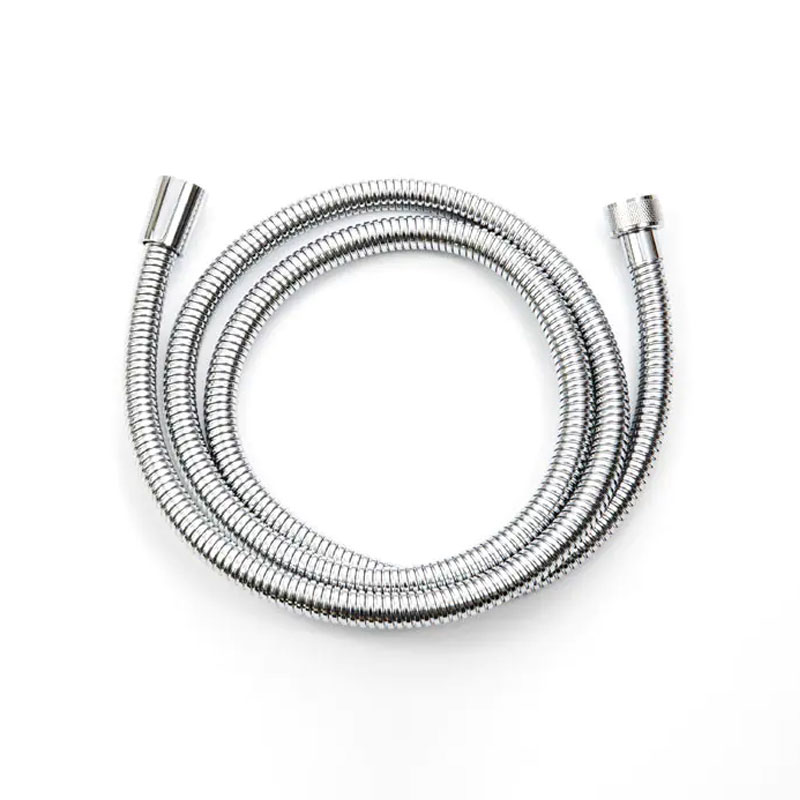
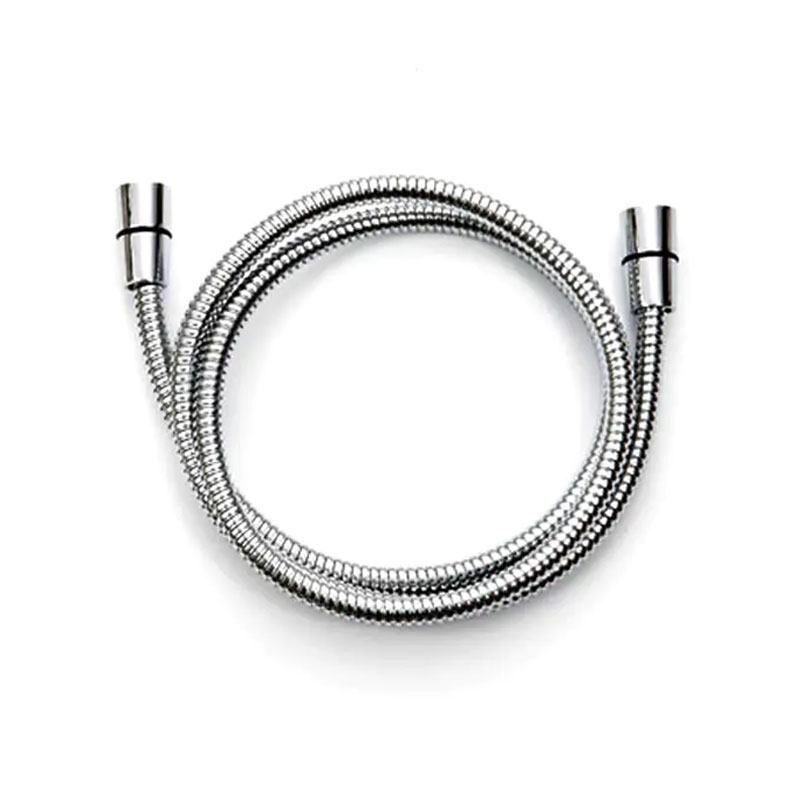
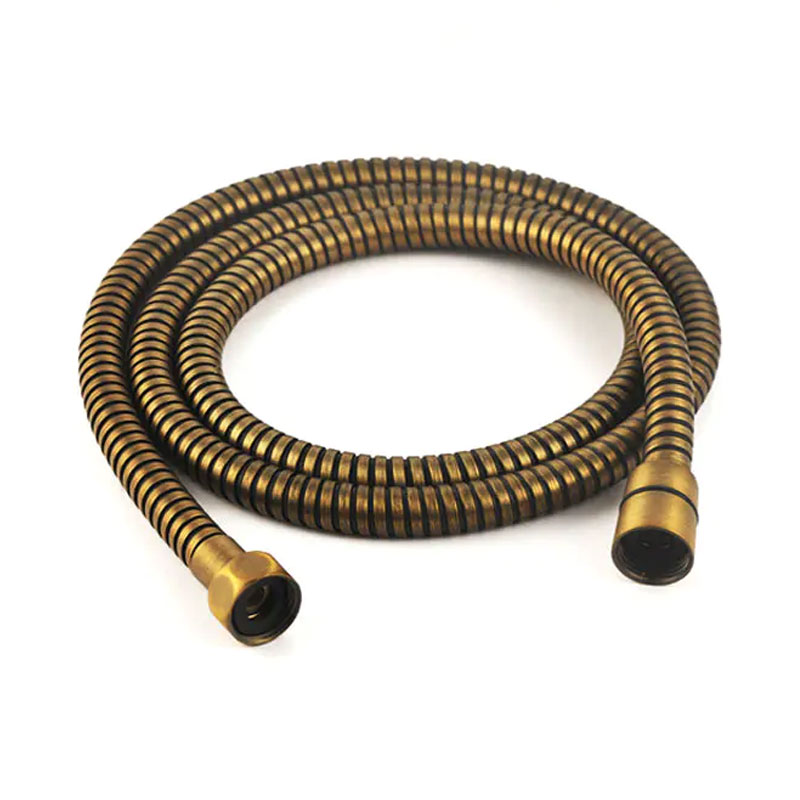
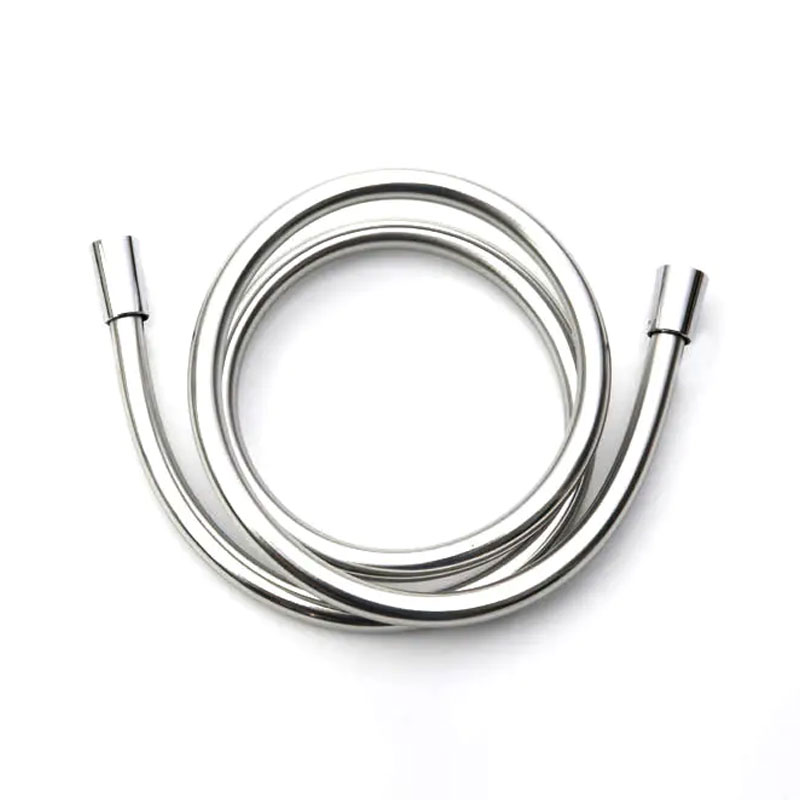
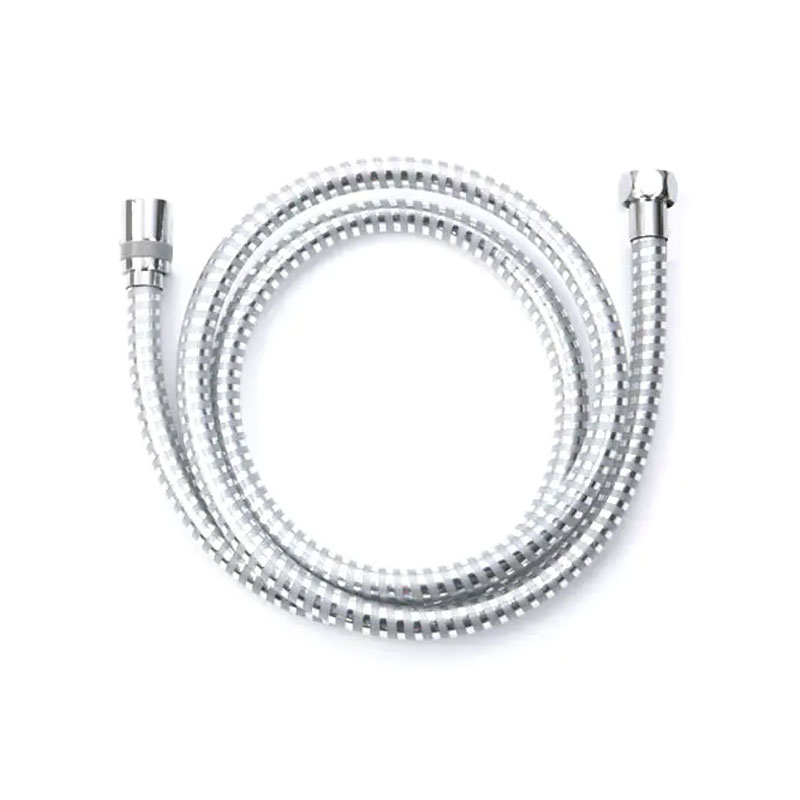
Choosing a new shower head sounds like one of the simplest bathroom upgrades, until you start comparing models. Fixed or handheld? Chrome or matte black? Rain ...
READ MORE
news
How Much Water Does a Low Flow Shower Head Save? Real Numbers That Matter
Update:20-10-2026
Content
- 1 What Counts as a Low Flow Shower Head?
- 2 The Simple Math: Gallons per Minute Meets Minutes in the Shower
- 3 Annual Savings: How the Gallons Add Up
- 4 Why the Shower Hose Affects How Much You Really Save
- 5 Variables That Will Change Your Savings
- 6 Practical Tips for Getting the Full Benefit
- 7 The Bottom Line
Standing under a warm shower is one of the small luxuries of daily life, but it is also one of the largest water draws in a typical home. Showering accounts for roughly 17 percent of indoor water use, according to EPA estimates, which is why so many households ask how much water a low flow shower head can save before making the switch.
The short answer is encouraging: a WaterSense-certified low flow shower head saves the average family about 2,700 gallons of water per year, and often more for larger households. That figure comes from the EPA's WaterSense program and assumes typical showering habits. Your own number could be lower or higher. In this article, we'll walk through the math, show you what changes the result, and explain why the shower hose deserves just as much attention as the head itself.
What Counts as a Low Flow Shower Head?
Flow rate is measured in gallons per minute, or GPM. Before the early 1990s, many shower heads delivered 4 to 5.5 GPM, and nobody thought twice about a wasteful, drenching stream. Then federal plumbing regulations capped new shower heads at 2.5 GPM, and that became the baseline for a standard fixture.
A low flow shower head goes below that baseline. Most definitions place it at 2.0 GPM or less. The EPA's WaterSense certification uses 2.0 GPM as its ceiling and adds spray performance testing to make sure the lower flow still feels satisfying. Some manufacturers go further, offering 1.5 or even 1.25 GPM models for maximum efficiency.
The Simple Math: Gallons per Minute Meets Minutes in the Shower
The calculation you need is straightforward:
Gallons used per shower = shower head flow rate (GPM) × shower duration (minutes)
Let's apply it to realistic shower lengths.
| Flow rate | 5 min | 8 min | 10 min | 15 min |
|---|---|---|---|---|
| 2.5 GPM | 12.5 | 20 | 25 | 37.5 |
| 2.0 GPM | 10 | 16 | 20 | 30 |
| 1.75 GPM | 8.75 | 14 | 17.5 | 26.25 |
| 1.5 GPM | 7.5 | 12 | 15 | 22.5 |
| 1.25 GPM | 6.25 | 10 | 12.5 | 18.75 |
The difference becomes obvious at the 8-minute mark, close to the national average shower length. Moving from a 2.5 GPM head to a 2.0 GPM WaterSense model saves 4 gallons per shower. Drop to 1.5 GPM and the savings double to 8 gallons per shower.
Annual Savings: How the Gallons Add Up
One person, one shower per day, 365 days a year. With the 2.5-to-2.0 GPM upgrade, that is 4 × 365 = 1,460 gallons saved per person per year. Move from 2.5 to 1.5 GPM and it becomes 8 × 365 = 2,920 gallons per person per year. The EPA's household-level figure of 2,700 gallons sits right in that range once you account for families that shower less frequently or take shorter showers.
Multiply by household members and the totals get striking. A family of four upgrading from a 2.5 GPM head to a 1.5 GPM model can save more than 11,000 gallons a year, enough to fill a small swimming pool.
Energy savings matter just as much, because you are not only reducing the water volume but the hot water volume. Water heating typically accounts for about 18 percent of a home's energy use, so every gallon of hot water saved directly lowers your energy bill. In a typical home, low flow shower heads can cut the energy used for shower water heating by roughly 25 to 60 percent. Many water utilities also offer rebates for WaterSense-certified fixtures, which shortens the payback period even further.
The environmental side is worth noting, too. Using less hot water means burning less energy, which lowers the carbon footprint of every shower. For households with an electric water heater, the difference can be particularly visible on the monthly bill during colder months.
Why the Shower Hose Affects How Much You Really Save
Here is a detail most buying guides skip: the water savings from a low flow shower head depend on the whole system delivering water smoothly. If your shower hose is old, kinked, twisted, or internally narrowed, it can reduce flow where it counts, and you may find yourself lingering in the shower just to feel adequately rinsed.
A good hose matters in two ways. First, it preserves the spray. A flexible, smooth-bore hose keeps pressure consistent from the wall outlet to the shower head, so a low-flow stream does not feel weak. Second, it prevents leaks. A worn connection at the hose nut wastes water at the wall, and a slow drip can silently add several gallons a day.
Silicone hoses are especially well suited to low flow shower systems because they stay flexible in hot water, resist cracking, and hold their shape without kinking. Stainless steel braided hoses add durability against twisting, while PVC remains an economical choice. If you are upgrading the shower head, take a look at your hose while it is disconnected.
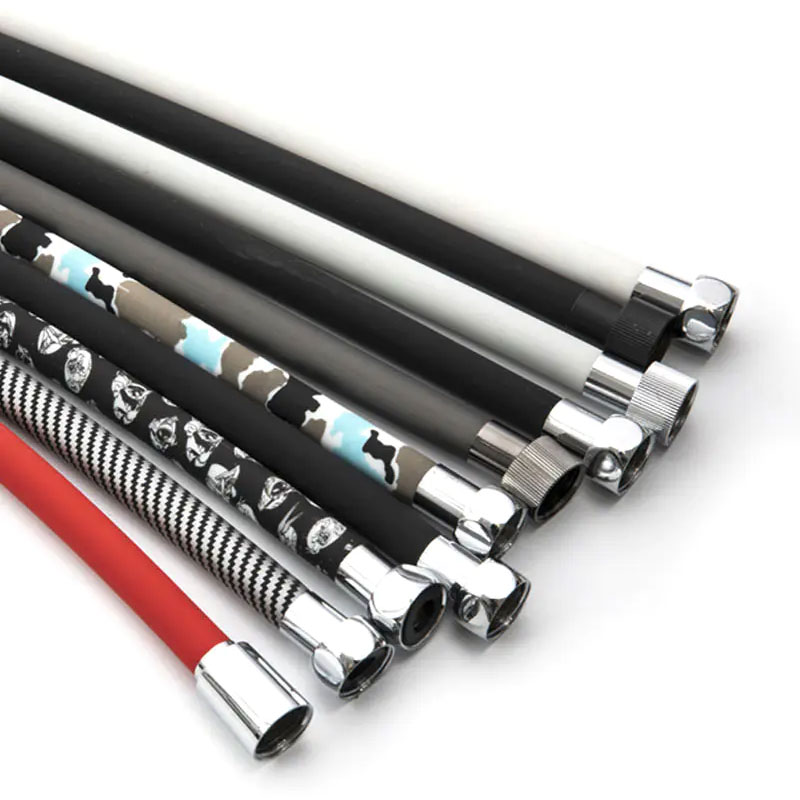 Doflex Silicone Shower Hose for Low-Flow SystemsFlexible, crack-resistant silicone hose ideal for low-flow showers. Check thread compatibility with your shower head to ensure a leak-free connection.View Product →
It is also worth checking that the hose ends use the same thread standard as your new head. Most residential fittings are 1/2-inch NPT or G1/2, but mismatched fittings create leaks at the connection point, which defeats the purpose of a water-saving upgrade. For a deeper look at how hose materials compare over years of use, you can browse our complete guide to shower hose types.
Variables That Will Change Your Savings
The same shower head will produce different savings for different households. These are the biggest variables:
- Shower duration: cutting minutes saves in proportion. A household that takes 15-minute showers will see much bigger absolute savings than one that rinses in five.
- Number of showers per day: more showers multiply the savings from every GPM reduced.
- Household size: each additional person adds to the annual total.
- Current flow rate: if your existing head is already 2.0 GPM, moving to 1.5 GPM saves less than a jump from 2.5 GPM, though it still adds up.
- Water pressure and piping: homes with very low pressure may notice the reduced flow more; a well-matched hose and head keep the experience comfortable.
- Pause settings and aerators: a head with a pause button can save even more by letting you shut off the water while lathering.
Practical Tips for Getting the Full Benefit
Before you buy anything, here are a few tips that make the upgrade pay off faster:
- Measure your current flow rate. Place a 1-gallon bucket under the spray and time how long it takes to fill. Twenty-four seconds means roughly 2.5 GPM; thirty seconds means 2.0 GPM; forty seconds means 1.5 GPM. That tells you your starting point.
- Choose a WaterSense-labeled head. Independent testing guarantees comfort and spray coverage, not just a number on the box.
- Inspect the hose and connections. Cracks, kinks, and worn washers undermine the savings and can cause leaks.
- Replace a hose that has been in service for years, especially if twisting or kinking is a recurring problem.
- Test for leaks at the wall connection and at the shower head after installation. A small drip at the base of the hose can waste more water than you expect.
If twisting and kinking have been recurring problems in your bathroom, an anti-twist hose can make the upgrade feel like a completely new shower experience.
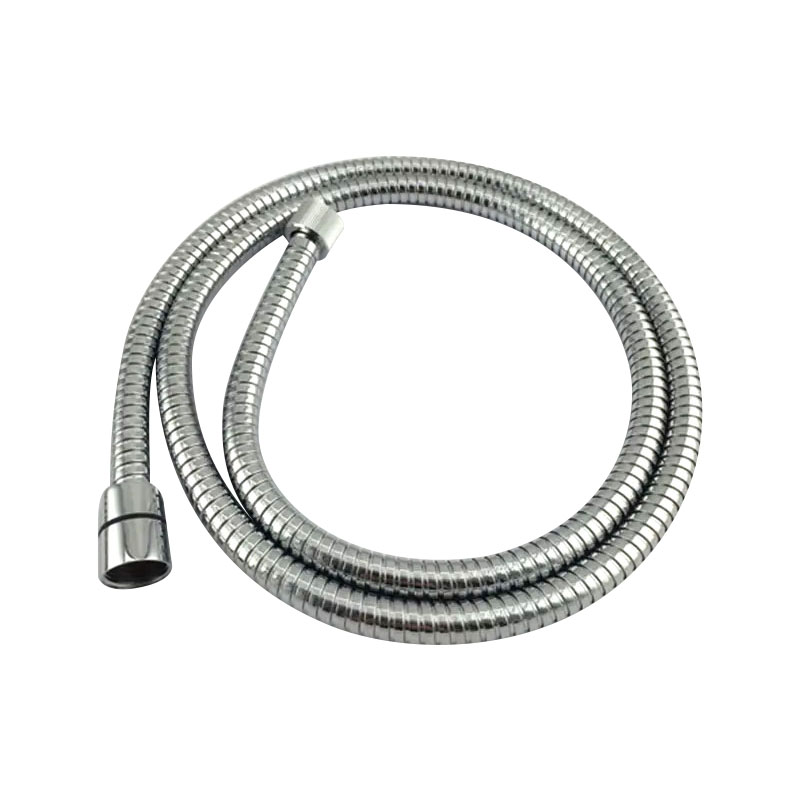 Anti-Twist Stainless Steel Shower Hose Model SH006CRDurable stainless steel hose with anti-twist brass nuts prevents kinking. Pairs well with water-saving shower heads for a reliable, long-lasting setup.View Product →
The Bottom Line
To answer the question directly: a low flow shower head saves an average family about 2,700 gallons per year compared with a standard 2.5 GPM head, according to EPA estimates. For an individual, the math works out to roughly 1,500 gallons saved per year with a 2.0 GPM head, and close to 3,000 gallons per year with a 1.5 GPM model, assuming one 8-minute shower a day. For a family of four, the realistic annual figure is 10,000 to 12,000 gallons, plus a noticeable reduction in water heating costs.
The upgrade itself is simple, but do not leave the rest of the system behind. A low flow head paired with a durable, kink-resistant shower hose is the combination that actually delivers those savings. Browse our shower hose series to find a hose that matches the look and performance you want.
News
-
-
A handheld shower head is one of the easiest bathroom upgrades there is, and most installations take about fifteen minutes with an adjustable wrench and a roll...
READ MORE -
If your hair feels brittle and your skin looks dry even after switching to sulfate-free shampoo and moisturizing creams, the problem may not be your products—i...
READ MORE -
How to Change a Shower Hose: Quick Answer Changing a shower hose takes about 10 minutes and rarely needs a plumber: unscrew the old hose from the shower head a...
READ MORE -
If you have ever stood in front of a shower hose display wondering whether any of them will fit your bathroom, you are not alone. A shower hose looks like a si...
READ MORE -
As a manufacturer of sanitary ware hoses, we hear this question from homeowners and plumbers alike: how do I stop my shower hose from leaking? The good news is...
READ MORE

Contact us
-

-

+86-574-62321667
-

No.2 Chuangsheng West road, Wuma Industry Area, Lubu Town, Yuyao City, Zhejiang, China
Copyright © 2025 Yuyao Doflex Sanitary Ware Hose Co., Ltd. , All Rights Reserved.
 Wholesale Bathroom Shower Hose Manufacturers