
 English
 Español
 Deutsch
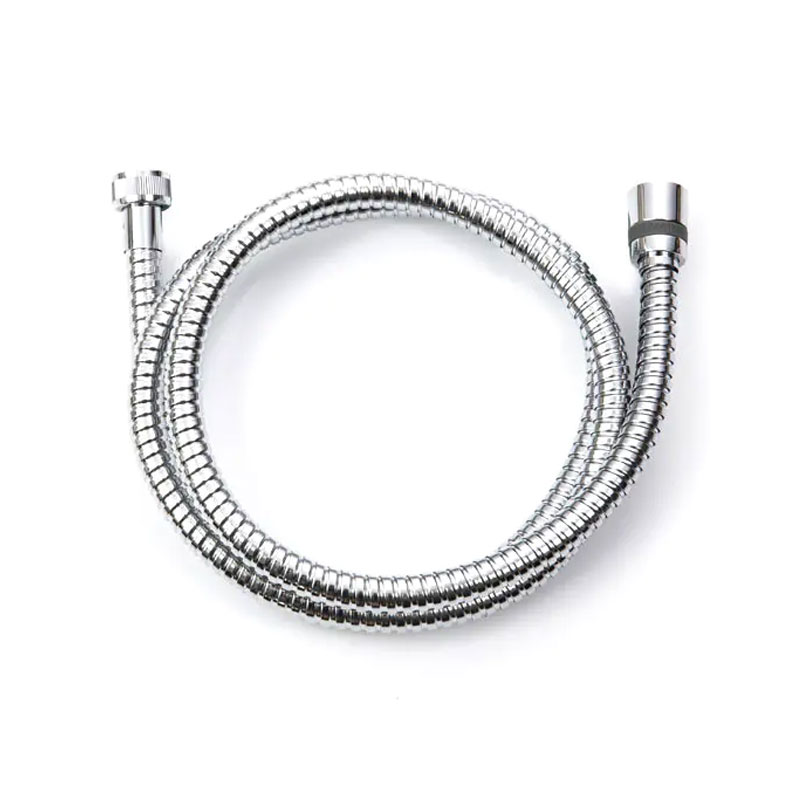
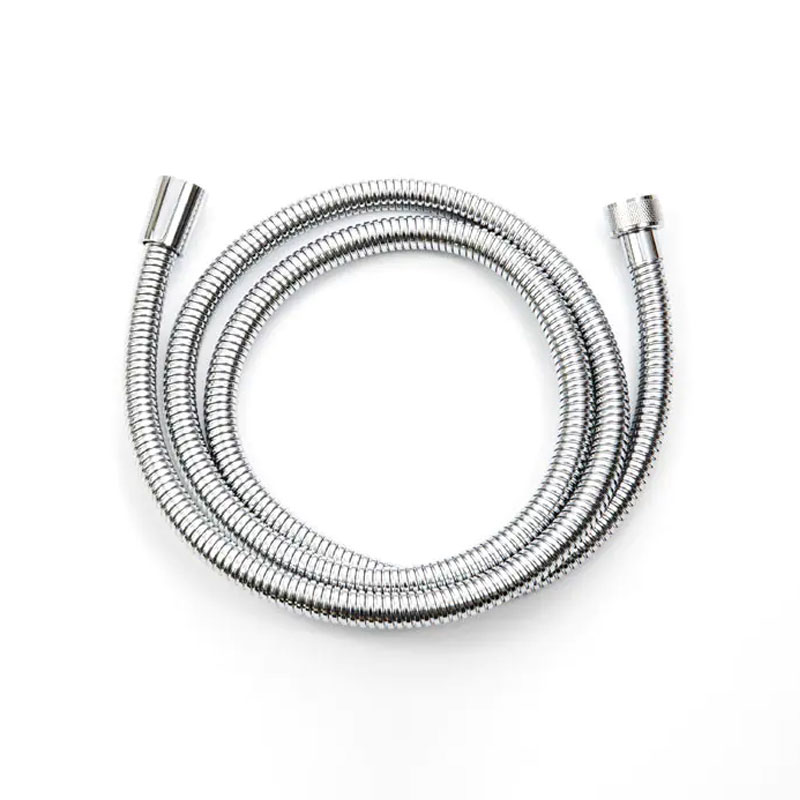
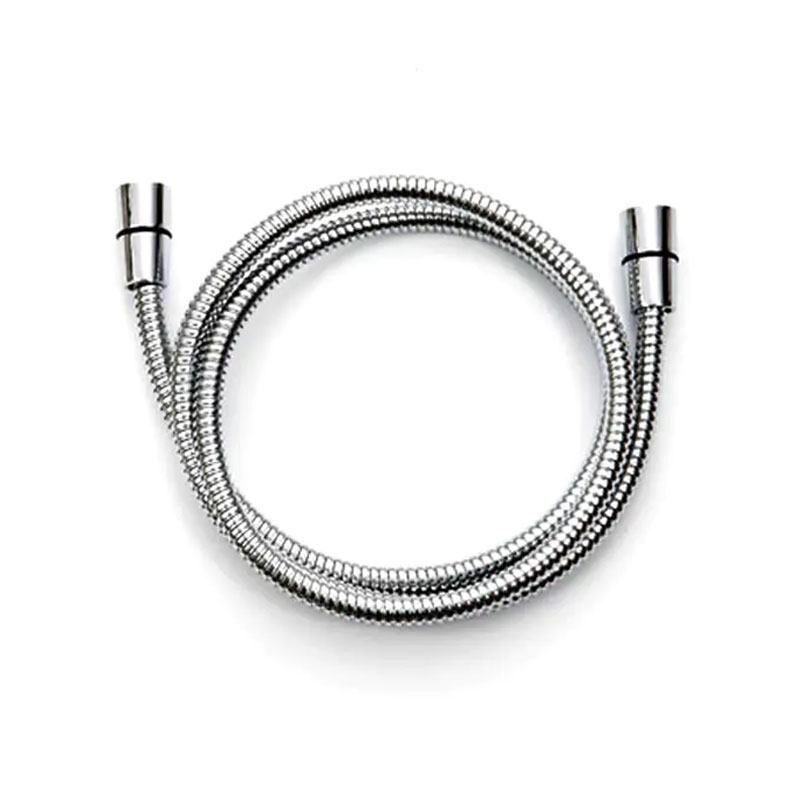
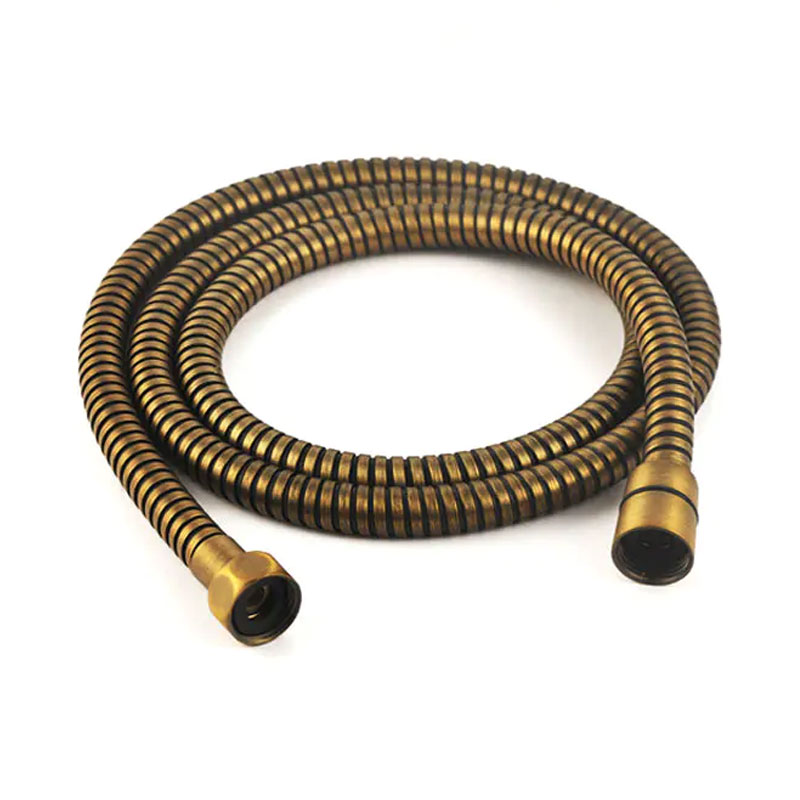
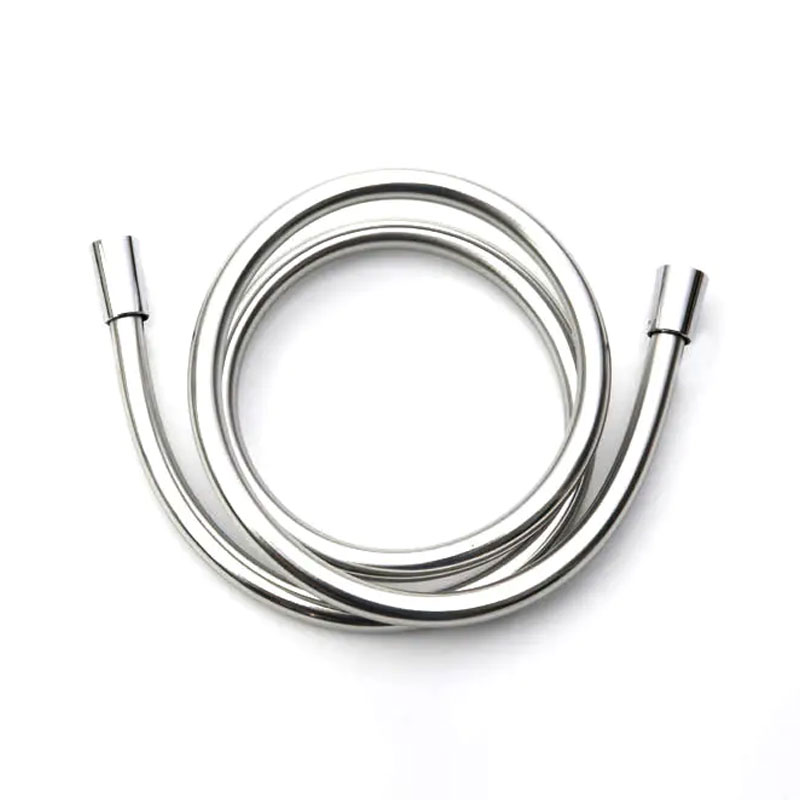
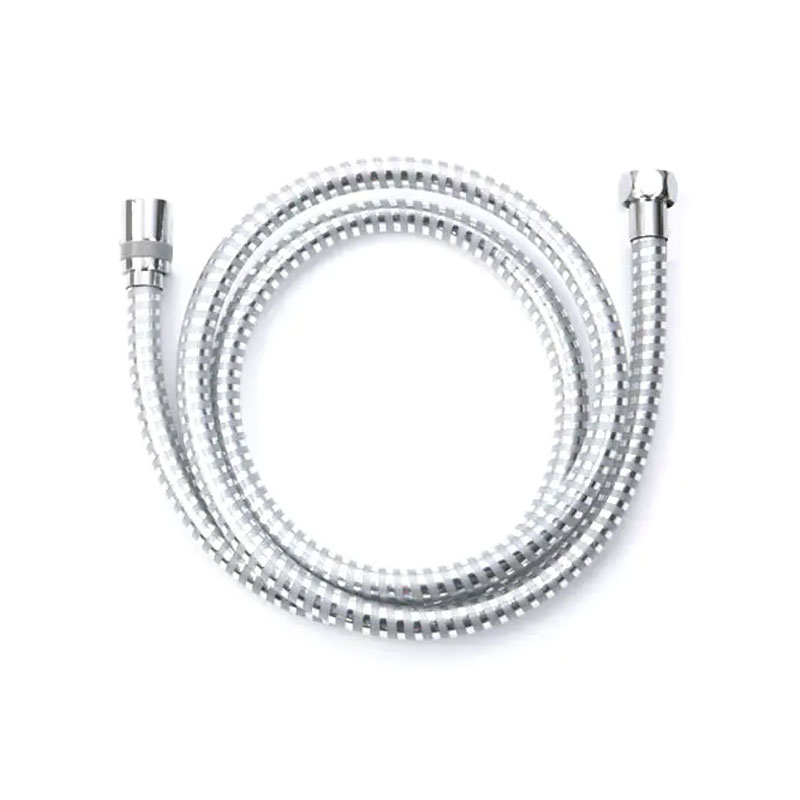
Replacing a shower hose is a straightforward DIY job that takes 10 to 20 minutes and requires no specialist plumbing knowledge. You unscrew the old hose at bot...
READ MORE
news
How to Choose a Shower Head: A Practical Guide to Types, Materials, and Fit
Update:22-10-2026
Content
Choosing a new shower head sounds like one of the simplest bathroom upgrades, until you start comparing models. Fixed or handheld? Chrome or matte black? Rain spray or massage? And once it arrives, will it fit the pipe already sticking out of your wall? After more than two decades of manufacturing sanitary ware connections, we have seen how small mismatches turn into everyday frustration. This guide covers the decisions that matter, from the plumbing behind the wall to the finish you will see every morning.
Start with the Plumbing You Already Have
The first step is not picking a style. It is checking what your bathroom already offers. Most homes use a standard 1/2-inch thread on the shower arm, so a shower head with the same thread screws on without an adapter. If your home uses a different thread, or if you are installing the head without an existing arm, a flexible hose with a wall bracket is a more practical starting point.
Water pressure plays a larger role than most people expect. A wide rainfall head looks stunning, but it needs steady pressure to spread water evenly across its face. A handheld head with a narrow face is more forgiving when pressure is low. If your building supplies water at modest pressure, choose a smaller diameter head with generous openings instead of a large one with fine nozzles.
Finally, decide where the water should come from. A ceiling-mounted head creates a spa-like feel but usually requires the pipe to be routed inside the ceiling. A wall-mounted head is the simplest replacement. A handheld unit is the most flexible for rinsing hair, cleaning the shower, and bathing children or pets.
Shower Head Types: Match the Head to the Routine
Once the plumbing basics are clear, you can focus on the type of head. Each style changes the way the shower feels, and none is universally better. The table below summarizes the most common choices so you can compare them at a glance.
| Type | Best For | Trade-offs |
|---|---|---|
| Ceiling rainfall | Spa-like full-body coverage | Needs higher pressure; more complex installation |
| Fixed wall-mounted | Simple, clean replacements | Limited adjustability |
| Handheld | Rinsing, cleaning, children and pets | Less immersive for everyday showers |
| Dual with bracket | Households with different preferences | More parts to clean and maintain |
| Pure-water or filtered head | Sensitive skin, softer water preference | Filter element must be replaced periodically |
Some specialty heads go beyond spray patterns. A pure-water type shower head is designed for filtered or purified water, which matters if you have a whole-house filtration system or want to avoid the residue of heavily chlorinated water. These models keep a simple internal path so nothing traps sediment, and they pair well with certified hoses.
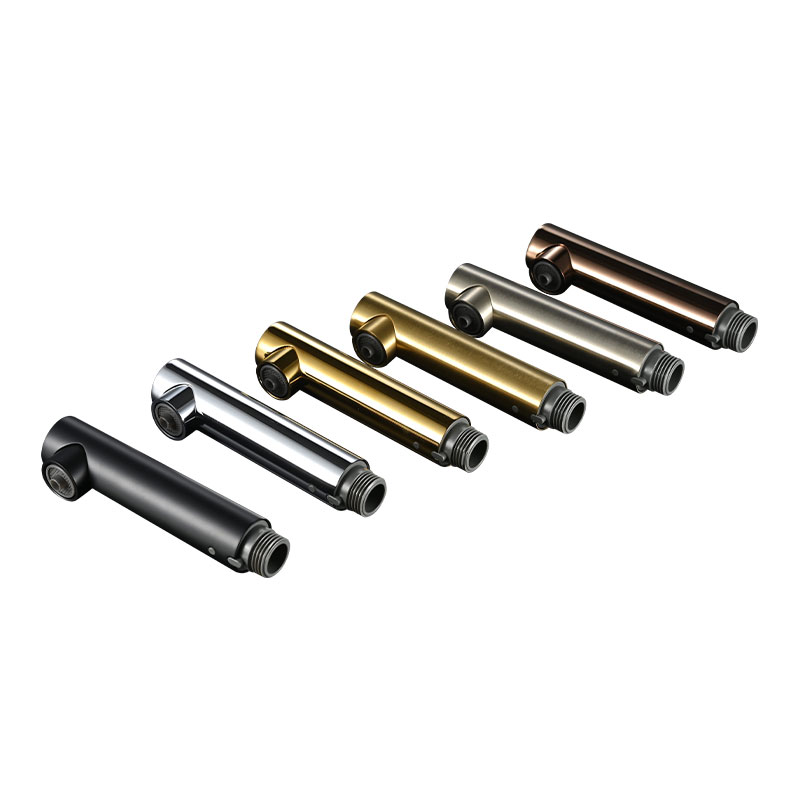 Pure Water Type Shower Head Series with Multiple FinishesThis category covers pure-water sprayer shower heads in materials like stainless steel and customizable colors, ideal for filtered water systems and kitchen pure water hoses.View Product →
Materials and Finishes: What Lasts and What Looks Good
The shower head body is usually made from ABS plastic, stainless steel, or brass. ABS keeps the price low and does not corrode, but plated plastic can look worn sooner than you expect. Stainless steel resists rust, feels solid, and works well with a brushed finish. Brass holds a polished surface longer than any other common material, which is why premium fixtures still rely on it.
The finish is what you notice every morning, and it should survive contact with hard water and cleaning sprays. Chrome is popular because it is bright, easy to clean, and matches most existing trims. Brushed nickel and matte black hide fingerprints better than glossy surfaces. Gold, rose gold, graphite, and gunmetal are more common in bathrooms where the shower is a design feature.
If you choose a colored or designer finish, remember that the hose is visible in most handheld setups. A chrome head with a bright colored silicone hose can look intentional when the colors are chosen together, which is why many customers match hoses and heads as a set. At Doflex, we have been manufacturing sanitary hoses and connections since 2004, and much of our work is producing hoses in a wide range of surface colors, from classic chrome to custom matched shades.
Water Flow, Spray Patterns, and Daily Comfort
Flow rate is measured in gallons per minute in the US and liters per minute in most other regions. Many areas limit shower heads to roughly 1.8 to 2.0 gallons per minute to save water, so a model promising a drenching rain spray may feel softer than its name suggests. If you want an efficient shower that feels full, look for an aerating spray that mixes air into the stream.
Spray patterns matter more than they appear to in the showroom. A massage pattern is useful for sore shoulders; a mist pattern is gentle for washing your face. Most heads offer two or three patterns through a rotating dial, which adds versatility but also one more moving part. In hard-water areas, rubber-tipped nozzles make a big difference, because scale can be wiped away in seconds instead of soaked and scrubbed.
For handheld models, the grip matters as much as the spray. A slim, tapered handle is easier for children and for rinsing tight corners, while a larger textured handle suits adults with slippery hands. The hose length sets your practical reach, so if the mounting bracket sits far from where you stand, choose a longer hose rather than stretching the head toward you.
The Connection Most People Forget: The Shower Hose
Even the best shower head is only as good as the hose that feeds it. The hose carries hot water at full mains pressure and absorbs constant bending at both connection points. A cheap hose can kink, split, or develop a slow leak at the nut, and the resulting water damage costs far more than the hose itself.
Three hose materials dominate the market. Stainless steel hoses are durable and look at home in most bathrooms, when the tube and nuts are solidly made. PVC hoses are lightweight and affordable, and with a silver or colored surface they can mimic metal while staying flexible. Silicone hoses have become a favorite for their soft feel, heat resistance, and ability to stay flexible even in a cold bathroom.
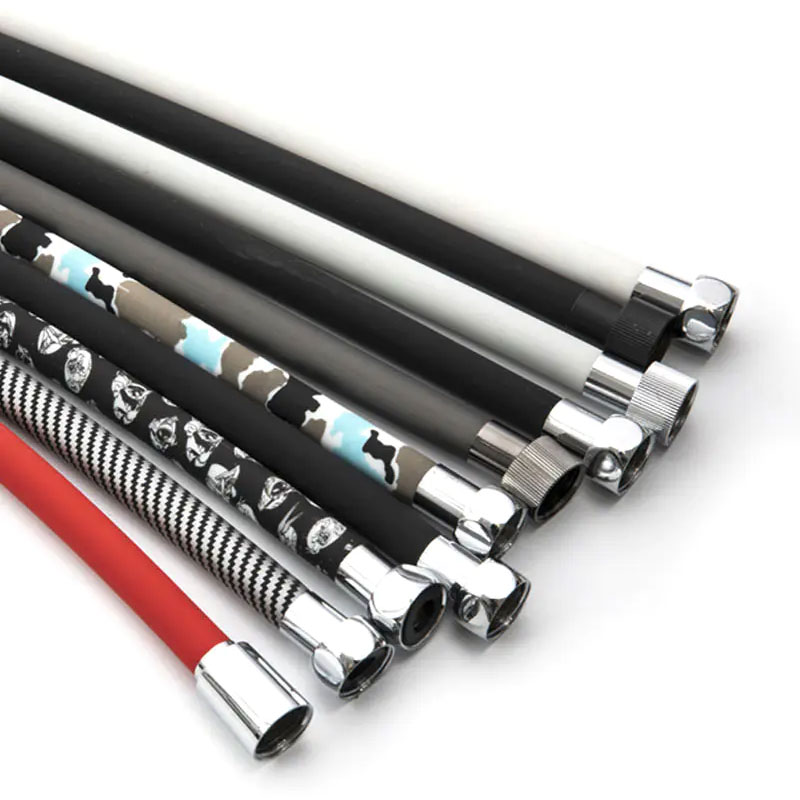 Silicon Shower Hose for Flexible Bathroom UseThis silicone hose offers soft flexibility and heat resistance for handheld shower heads. It suits bathrooms needing durable, tangling-free connections and supports OEM customization.View Product →
Compare a few details when choosing hoses. The nut should be solid metal, ideally brass, because it is the part that gets tightened and loosened most often. An anti-twist design prevents tangling at the shower head end, so the hose lies naturally instead of coiling. If you have a handheld head, a longer hose, around 1.5 meters or more, gives you room to rinse without pulling the bracket out of position.
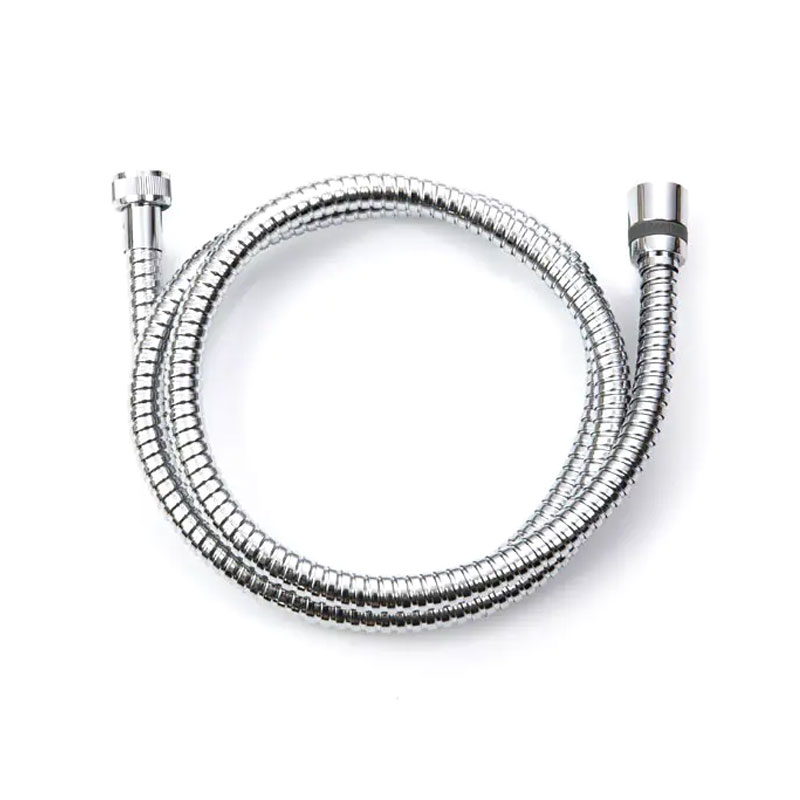 Stainless Steel Shower Hose with Durable BuildThis stainless steel hose ensures corrosion resistance and reliable water delivery. Consider material certifications for drinking-water contact, especially if the same line serves bathing.View Product →
Material certifications matter, especially when the same water line is used for drinking and bathing. In Europe, marks such as KTW, WRAS, DVGW, and ACS indicate that a hose is suitable for drinking-water contact. In North America, NSF listings and FDA-compliant materials serve a similar purpose.
If you want to compare materials in more depth, our complete guide to shower hose types, materials, and standards covers the technical side, including temperature limits and service life. In short, a well-made stainless or silicone hose outlasts a bargain PVC hose by a wide margin.
A Quick Checklist Before You Order
Keep this list handy when you compare products, whether online or in a showroom.
- Measure the thread on your existing shower arm or hose; most are 1/2-inch BSP.
- Check your water pressure and choose a head style that works with it.
- Pick a material and finish that match the rest of your bathroom.
- Decide between fixed, handheld, or dual based on who will use the shower.
- Choose a hose length that gives you comfortable reach.
- Verify the hose material and its certifications.
- Look for rubber nozzles and anti-twist details if tangling or hard water is a concern.
Choosing a shower head does not have to be a gamble. Start with the plumbing you already have, choose a type that matches how you shower, and do not overlook the hose. When every part shares the same standard thread, a compatible finish, and a sensible material, the upgrade becomes a small, satisfying change that improves every single day.
News
-
-
If you have ever stood in front of a shower hose display wondering whether any of them will fit your bathroom, you are not alone. A shower hose looks like a si...
READ MORE -
Quick Answer No, shower hoses do not fit all showers automatically — but most do, because roughly 90% of the market has standardized around one connector: the ...
READ MORE -
A handheld shower head is one of the easiest bathroom upgrades there is, and most installations take about fifteen minutes with an adjustable wrench and a roll...
READ MORE -
As a manufacturer of sanitary ware hoses, we hear this question from homeowners and plumbers alike: how do I stop my shower hose from leaking? The good news is...
READ MORE -
If your hair feels brittle and your skin looks dry even after switching to sulfate-free shampoo and moisturizing creams, the problem may not be your products—i...
READ MORE

Contact us
-

-

+86-574-62321667
-

No.2 Chuangsheng West road, Wuma Industry Area, Lubu Town, Yuyao City, Zhejiang, China
Copyright © 2025 Yuyao Doflex Sanitary Ware Hose Co., Ltd. , All Rights Reserved.
 Wholesale Bathroom Shower Hose Manufacturers