
 English
 Español
 Deutsch
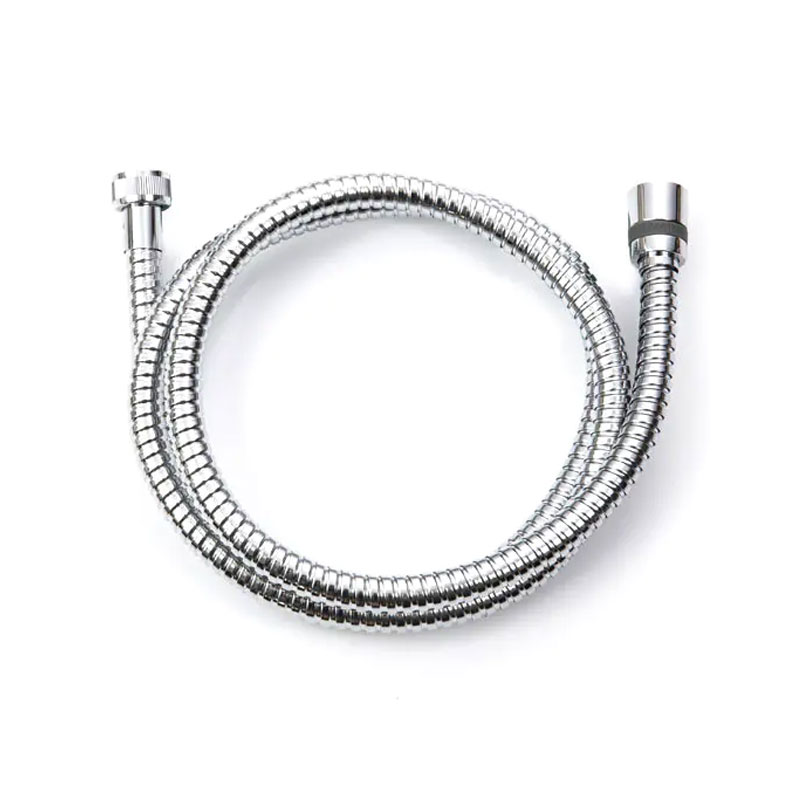
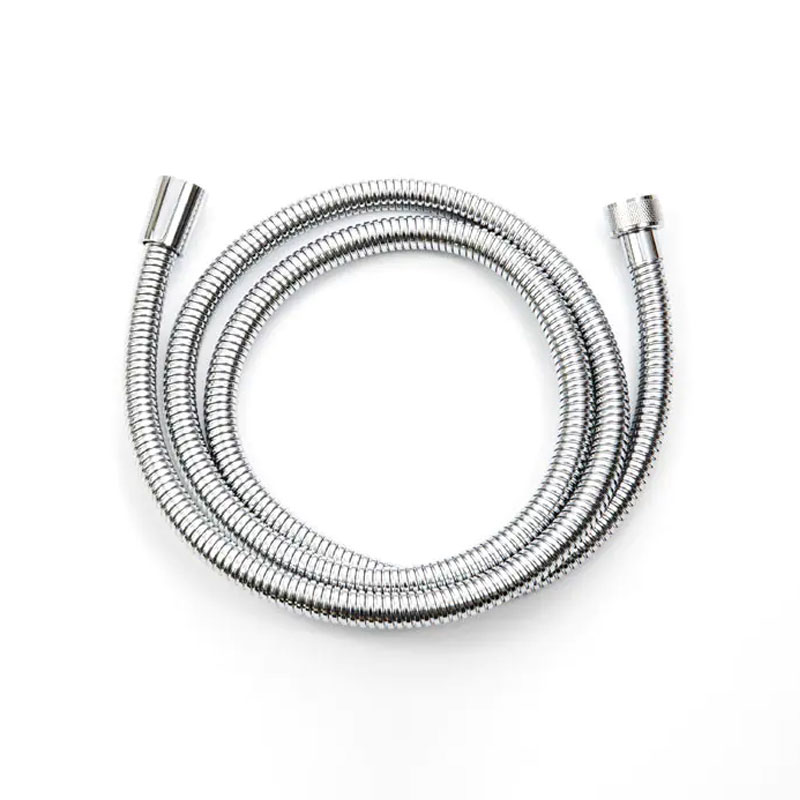
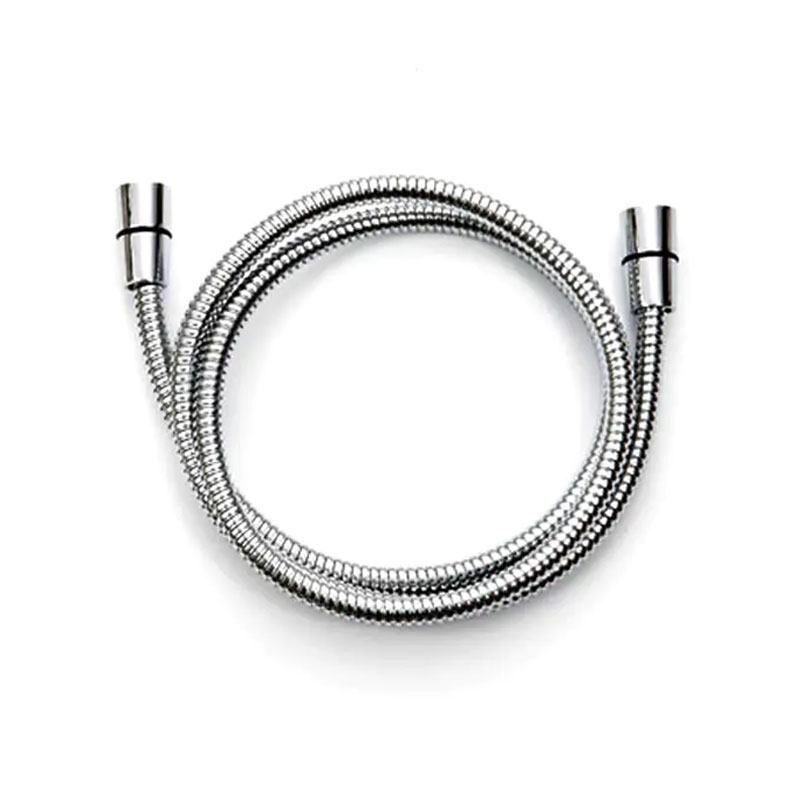
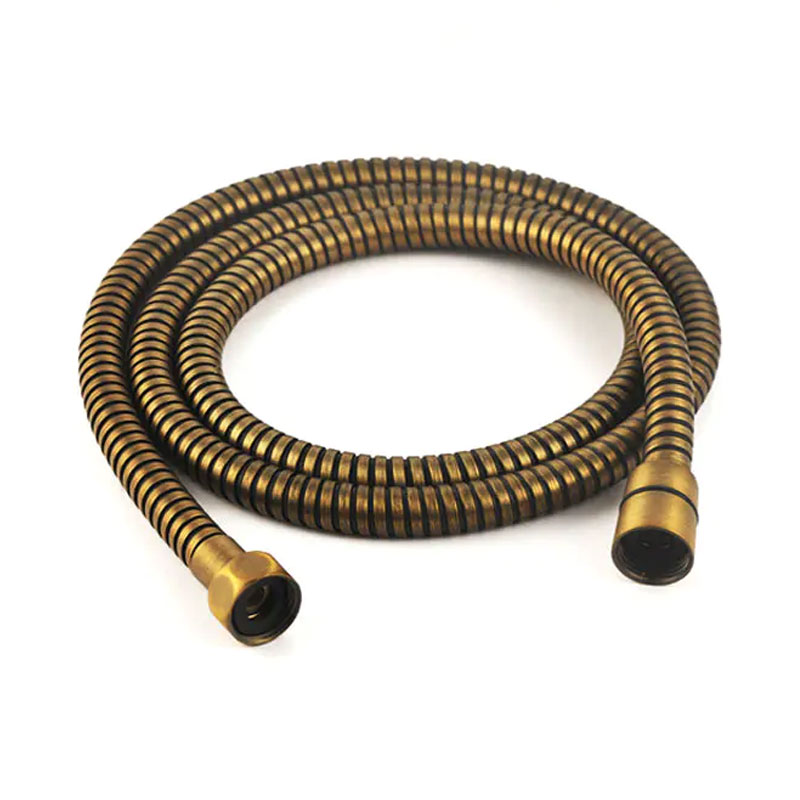
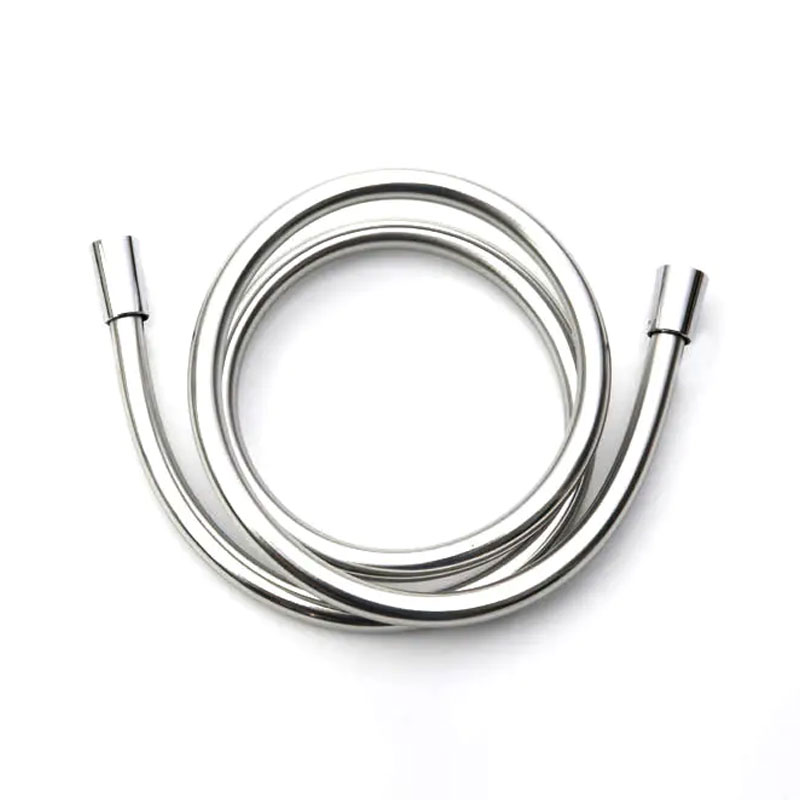
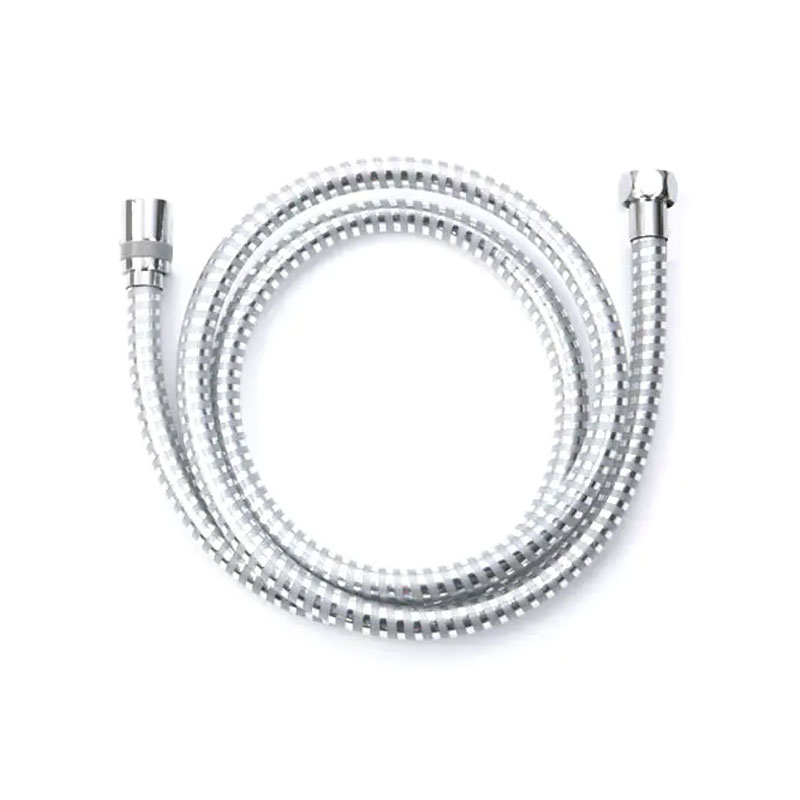
Attaching a shower hose is a five-minute job if you know where the water actually seals. Most people assume the metal threads create the watertight connection....
READ MORE
news
How Long Is a Standard Shower Hose? A Complete Sizing and Buying Guide
Update:27-10-2026
Content
Whether you are replacing a cracked hose at home or specifying components for a new bathroom, the length of a standard shower hose is one of those details that matters more than it first appears. The answer, fortunately, is reasonably simple: a standard shower hose is 1.5 meters — about 59 inches — measured end to end from the outer edge of one fitting to the outer edge of the other. This is the default length found on most handheld showers in homes and hotels around the world.
Of course, "standard" does not mean "one size fits all." Manufacturers offer a small family of lengths, and the right one depends on your shower configuration and how you use it. This guide covers the common sizes, the universal fitting, and how to measure your existing hose before buying a replacement.
Standard Shower Hose Lengths at a Glance
Shower hose manufacturers worldwide follow a short list of recognized lengths. The 1.5 m hose is the best-selling size, while the others are meant for situations where a shorter or longer reach makes sense.
| Length | Imperial Equivalent | Typical Application |
|---|---|---|
| 1.25 m | 49 in | Compact shower stalls, fixed wall holders, simple hand showers |
| 1.5 m | 59 in | Most common standard length; suits the majority of family bathrooms |
| 1.75 m | 69 in | Shower-bathtub combos, taller users, higher mounted outlets |
| 2.0 m | 79 in | Seated bathing, accessible showers, pet washing |
The 1.5 m length became the default for practical reasons. It gives you enough reach to wash your whole body, directs the spray into awkward corners, and still keeps slack short enough to avoid tangling around the valve. The same reasoning appears across industry guidance, and it is explained in detail in our complete guide to shower hose selection.
 PVC Shower Hose for Standard Bathroom UseThe PVC Shower Hose offers a practical 1.5 m length that balances reach and manageability, matching the default choice discussed in the surrounding guide.View Product →
Why the Ideal Length Depends on Your Bathroom
From our side of the factory, we see three common bathroom configurations that call for different hose lengths. Knowing which one you have removes most of the guesswork.
A handset in a fixed holder
If the shower head sits in a wall-mounted cradle, the hose travels a short, predictable path between the outlet and the holder. A 1.25 m or 1.5 m hose keeps this route neat. A longer hose can fold over itself and tangle, especially when the shower arm is close to the cradle.
A shower-bathtub combination
Tub-showers introduce the classic reason to go longer: you need to rinse the tub walls, reach a seated child, or guide water where it is needed without stretching your arm. In this arrangement, 1.75 m is effectively the standard choice, and it is the dimension recommended in many commercial and hospitality specifications for comfortable, unrestricted showering.
When the user showers from a seated position — or when the hose must serve a pet-washing area or a nearby utility spray — a 2 m hose adds the reach that 1.5 m cannot provide. For households that need both compactness and long reach, an extensible hose stretches when required and returns to a short resting length when on its holder.
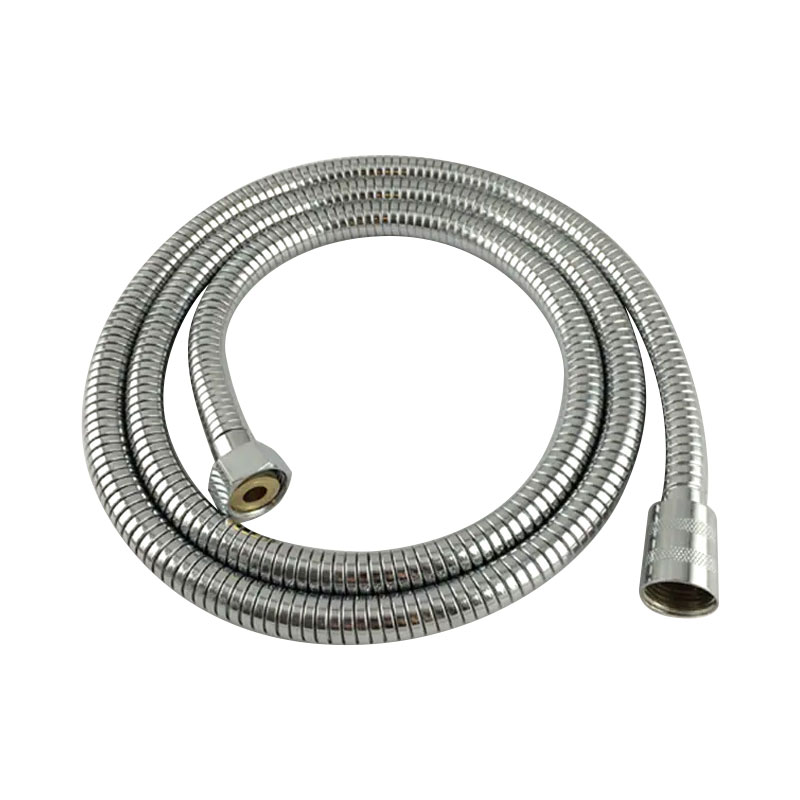 Extensible Shower Hose with Adjustable ReachThis chrome-finished stainless steel hose stretches from 1.5 to 2.1 m, ideal for seated showers or utility sprays where extra reach is needed.View Product →
G1/2 Is the Fitting Standard That Makes Length Simple
Length matters only if the hose actually connects, and here the news is genuinely universal: nearly every shower hose uses the same thread on both ends. The standard is G1/2, also known as 1/2-inch BSP, and it fits standard shower arms and handheld shower heads from the vast majority of manufacturers, regardless of brand or country of origin.
- A standard hose has a G1/2 female thread at both ends, so orientation does not matter in typical installations.
- Because the connector standard is shared, hoses are interchangeable across brands as long as the length is right.
- Some specialty fixtures use proprietary quick-connect systems; if your existing hose attaches with a click or push-in collar, check the system type before ordering a standard threaded hose.
This shared standard is also why replacing a shower hose is genuinely a five-minute DIY job. Remove the old hose with two light turns of a wrench or by hand, thread the new one in the same way, and check for leaks at the washers.
How Material Changes the Feel of a Given Length
The same length can feel different depending on what the hose is made of. If you are choosing a longer-than-standard hose, the material becomes even more important, because weight and flexibility affect how comfortable the handset is to hold.
PVC shower hoses
PVC is the lightweight, economical option and the material most commonly used for 1.5 m standard hoses. It bends easily, stores compactly, and does not add noticeable weight when you are holding the handset. For a straightforward replacement, a PVC hose in the correct length is a reliable, cost-effective choice.
Stainless steel braided hoses
A stainless steel braid around the inner tube adds strength, abrasion resistance, and a cleaner metallic appearance. The braid also adds stiffness, so a steel hose at 2 m behaves noticeably differently from a PVC hose at the same length. If you prefer steel, choosing the shortest adequate length gives you durability without the extra heft.
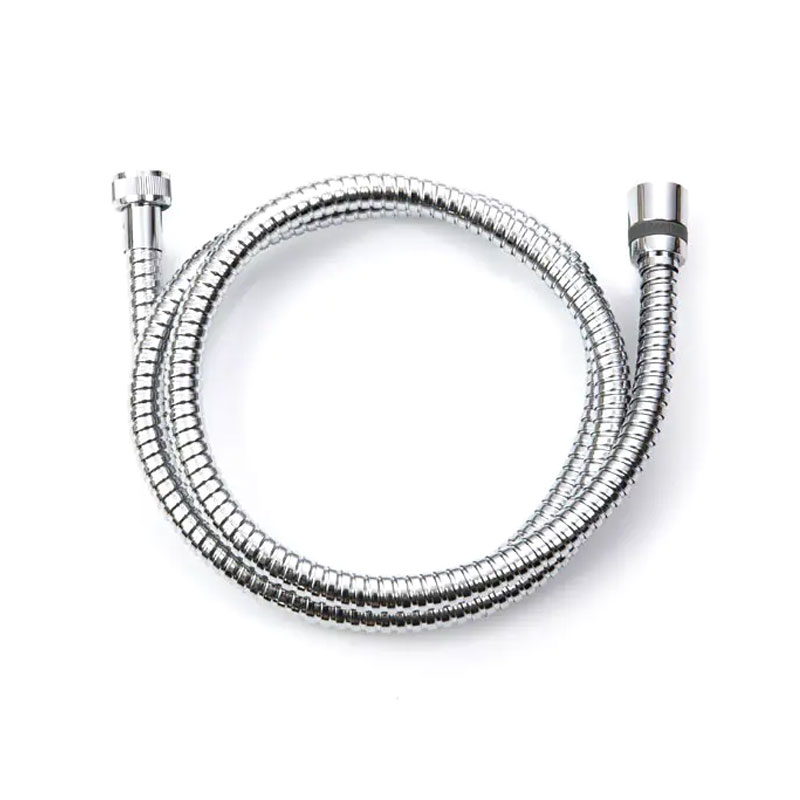 Stainsteel Shower Hose for Durable FlexibilityStainless steel braiding adds strength and a metallic look, yet the hose stays flexible—a solid choice when you want durability without excess stiffness.View Product →
Silicone shower hoses
Silicone hoses combine flexibility with strong resistance to temperature, and they are available in a wider range of colors and surface finishes than PVC or steel. They stay supple even with hot water running, which makes them particularly pleasant in showers where the hose moves around a lot during use.
As a manufacturer that has built shower hoses since 2004, we find most customers decide not on a single "best" material, but on what suits their climate, water chemistry, and daily usage pattern.
How to Measure an Existing Hose Before Replacing It
If you already have a hose, measuring it is faster and more reliable than guessing from a photo. Here is the procedure we recommend in our own customer service documentation:
- Disconnect the hose from the shower arm and the handset, then lay it out straight on the floor.
- Measure from the outer edge of one end nut to the outer edge of the other end nut.
- Keep the hose relaxed rather than under tension; a stretched reading will send you one size too long.
- Record the length in centimeters and compare it with the standard sizes listed above.
- Check the thread at both ends to confirm the G1/2 standard before placing the order.
This takes about a minute and prevents the most common mistake in buying a replacement: choosing a hose that is slightly too short to reach the holder comfortably.
Frequently Asked Questions
Are all shower hose fittings the same size?
For ordinary household showers, yes. The vast majority of shower hoses use a G1/2 thread at both ends, which matches standard shower arms and handheld shower heads from every major manufacturer. Proprietary quick-connect systems are the noticeable exception.
What is the best shower hose length for tall people?
Taller users generally prefer 1.75 m or 2 m. The additional reach allows the handset to sit comfortably above head height without straining the hose, and it makes it easier to cover the whole body without turning around frequently.
Can a shower hose be too long?
Yes. A longer hose holds more water, adds weight to the handset, and creates slack that can tangle when the handset is docked. If 1.5 m already meets your needs, there is no benefit to going longer.
Will a longer hose reduce water pressure?
Only slightly. The friction loss from an extra half meter is small and rarely noticeable. If the spray weakens, check for kinks and clean the handset restrictor before blaming the length.
What does "standard" mean in product listings?
In most listings, "standard" means the 1.5 m hose with G1/2 fittings. Both meanings point to the same practical item: the ordinary replacement hose that fits nearly every bathroom.
So, how long is a standard shower hose? The direct answer remains 1.5 m — about 59 inches — with 1.25 m, 1.75 m, and 2 m as the standard alternatives for specific arrangements. Measure your existing hose, confirm the G1/2 fittings, and you can replace it with confidence in a matter of minutes.
We have manufactured shower hoses for more than twenty years, and the range of lengths has stayed stable across markets. If your project needs a custom size, material, or connector, our team in Yuyao is glad to discuss what is possible.
News
-
-
Choosing a new shower head sounds like one of the simplest bathroom upgrades, until you start comparing models. Fixed or handheld? Chrome or matte black? Rain ...
READ MORE -
How to Change a Shower Hose: Quick Answer Changing a shower hose takes about 10 minutes and rarely needs a plumber: unscrew the old hose from the shower head a...
READ MORE -
A handheld shower head is one of the easiest bathroom upgrades there is, and most installations take about fifteen minutes with an adjustable wrench and a roll...
READ MORE -
If you have ever stood in front of a shower hose display wondering whether any of them will fit your bathroom, you are not alone. A shower hose looks like a si...
READ MORE -
As a manufacturer of sanitary ware hoses, we hear this question from homeowners and plumbers alike: how do I stop my shower hose from leaking? The good news is...
READ MORE

Contact us
-

-

+86-574-62321667
-

No.2 Chuangsheng West road, Wuma Industry Area, Lubu Town, Yuyao City, Zhejiang, China
Copyright © 2025 Yuyao Doflex Sanitary Ware Hose Co., Ltd. , All Rights Reserved.
 Wholesale Bathroom Shower Hose Manufacturers