
 English
 Español
 Deutsch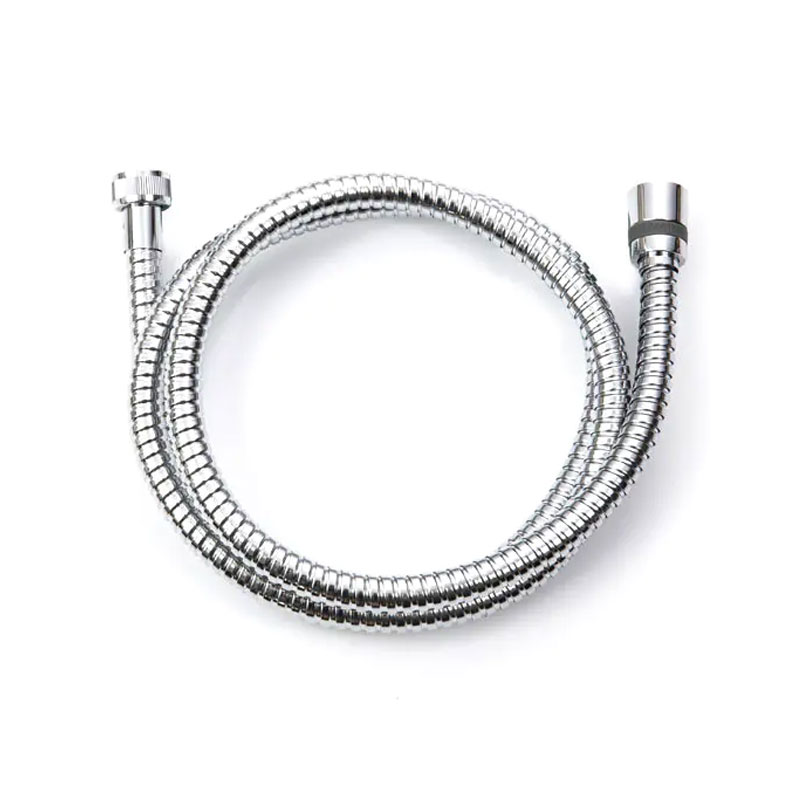
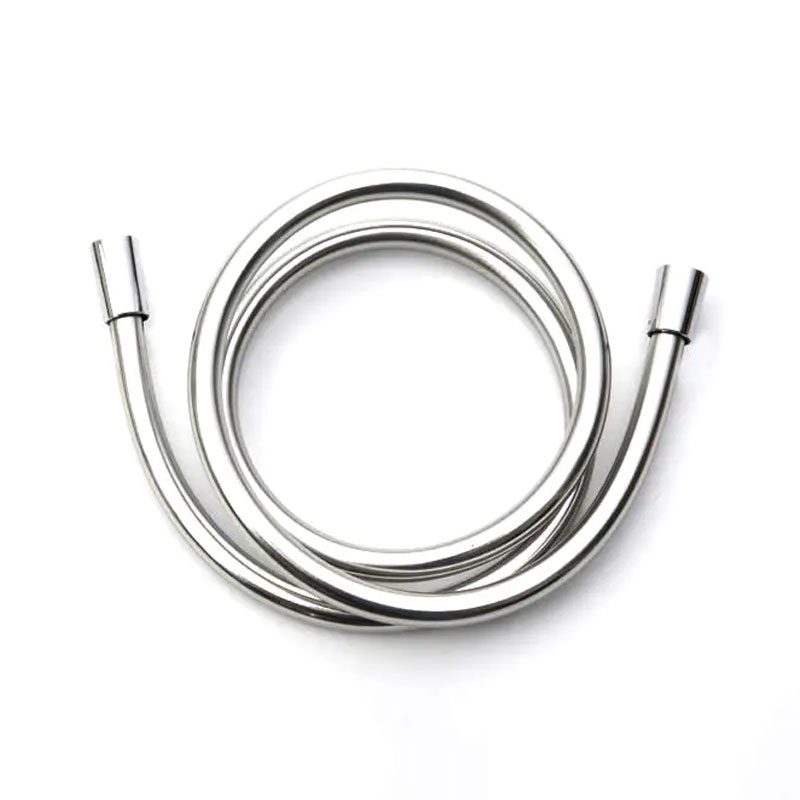
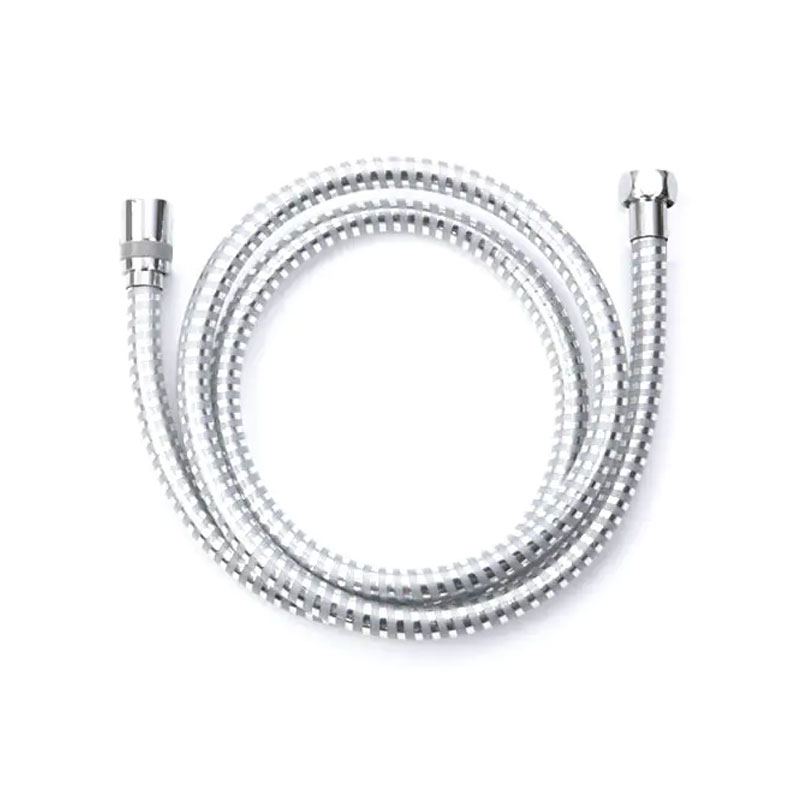
Shower room accessories acceptance standard, shower room: separate shower cubicle. Modern homes have higher and higher requirements for bathroom facilities. Man...
READ MORE
news
Best Shower Filter for Hair Loss: Science, Media, and Real Expectations
Update:16-09-2026
Content
You notice it first in the drain after a shower: a few extra strands, then a small clump. You swap shampoos, skip the heat styler, and add vitamins, yet every wash still ends with hair wrapped around your fingers. If your tap water carries chlorine, chloramine, or hard minerals to your scalp every day, a shower filter for hair loss may be the missing variable.
Here is the honest conclusion up front: a filter cannot stop hereditary or hormonal shedding. What it can do is remove the waterborne chemicals and minerals that dry out, weaken, and stress hair. Once those irritants are reduced, hair retains more of its natural strength and a preventable source of breakage is removed.
What the Evidence Says About Water and Hair Loss
Chlorine is a strong oxidizer. When it meets the hair shaft, it attacks keratin and strips the natural sebum coating that keeps hair supple. The usual outcome is raised cuticles, reduced elasticity, and split ends that snap easily. Research on cosmetic hair damage consistently lists oxidizers such as chlorine among the environmental factors that lower tensile strength with repeated exposure.
Hard water adds a separate problem. Calcium and magnesium ions form insoluble deposits on the hair and scalp. Those deposits make hair stiff, dull, and harder to manage, and they can irritate the environment around the follicle. In homes with very hard water, long-term accumulation is a genuine contributor to fragile, thinning-looking hair.
Chloramine deserves special attention. Many municipalities switched to chloramine because it stays active longer than free chlorine. The trade-off is that it is harder to remove: it does not off-gas readily and needs either a longer contact time with catalytic carbon or a chemical reducing agent such as vitamin C. Check your local water quality report. If chloramine is listed, choose a filter that explicitly handles it.
Keep perspective as well. Most chronic hair loss is driven by genetics, hormones, stress, diet, or medical conditions. Filtering the water removes one aggravating factor, but it belongs alongside a dermatologist's assessment, not instead of one.
What to Look for in a Shower Filter for Hair Loss
Not all shower filters are the same. The media inside the cartridge determines what is removed and how quickly the cartridge saturates. Three media types dominate the market.
KDF-55 (Copper-Zinc Alloy)
KDF-55 uses a redox reaction between copper and zinc to convert free chlorine into harmless chloride ions. It works well at normal shower flow rates, which is why it appears in many inline units, and it also reduces some heavy metals. Its main limitation is chloramine: KDF-55 alone is not the strongest option for chloramine-treated supplies.
Activated Carbon
Activated carbon removes chlorine, organic compounds, tastes, and odors through adsorption. It is effective and inexpensive, but its chloramine performance drops sharply as the carbon bed saturates. Larger cartridges with longer contact time handle chloramine better than small inline sticks.
Vitamin C (Ascorbic Acid or Sodium Ascorbate)
Vitamin C neutralizes both chlorine and chloramine through a direct chemical reaction, and it stays effective in alkaline water where carbon becomes less efficient. It is popular for hair and skin applications because of this broad activity. The drawback is that vitamin C dissolves steadily, so cartridges often need replacement more often.
| Media | Primary removal | Chloramine performance | Typical life with daily shower use |
|---|---|---|---|
| KDF-55 | Free chlorine, some metals | Moderate | 3-4 months |
| Activated carbon | Chlorine, organics, odor | Low to moderate | 2-3 months |
| Vitamin C | Chlorine and chloramine | Strong | 1-3 months |
Many filters on the market use a combination such as KDF-55 plus activated carbon, or a layered carbon and vitamin C design. A multi-stage cartridge is usually a better match for hair loss concerns because municipal water rarely contains just one problem. It keeps chloramine coverage longer while still handling free chlorine, metals, and odor in a single pass.
Match the Filter to Your Water Supply
Before you buy, look up the latest water quality report from your supplier. It will state whether chlorine or chloramine is used and how hard the water is, usually in grains per gallon or mg/L. On a private well, run a basic test for hardness, iron, and pH instead of assuming a city-water filter fits.
Flow rate and pressure matter just as much. A cartridge inside a housing adds resistance, so choose a unit rated for the flow of your existing showerhead (typically 1.5-2.5 gpm). If your home already struggles with low pressure, pick a larger cartridge housing or a model with a wider internal channel.
Estimate cartridge life in usage, not just weeks. Most manufacturers say 2-3 months, but heavy use and high contaminant loads shorten that. An exhausted filter stops removing chlorine and can become a breeding surface for bacteria, so mark the replacement date on your phone.
Also verify connections before ordering. Most shower filters use standard G1/2-inch threads and install between the shower arm and the head or inline on a handset hose. Measure your setup first to avoid an adapter chain that leaks or adds pressure loss.
Pair the Filter With a Clean, Material-Safe Delivery Line
One point is easy to miss: the water is only as clean as the hose it travels through after the filter. An aging hose with cracks, discoloration, or interior biofilm can re-contaminate filtered water before it reaches the showerhead. If your hose predates the symptoms you are trying to solve, replace it when you install the filter.
Material choice matters more than most buyers realize. Standard PVC hoses are cheap, but low-grade PVC can turn stiff over time, and plasticizers may migrate into hot water. Silicone hoses stay flexible across a wide temperature range, resist cracking, and are much easier to keep clean. Stainless steel braided hoses provide mechanical strength, but the inner liner is still a polymer, so the quality of that liner matters.
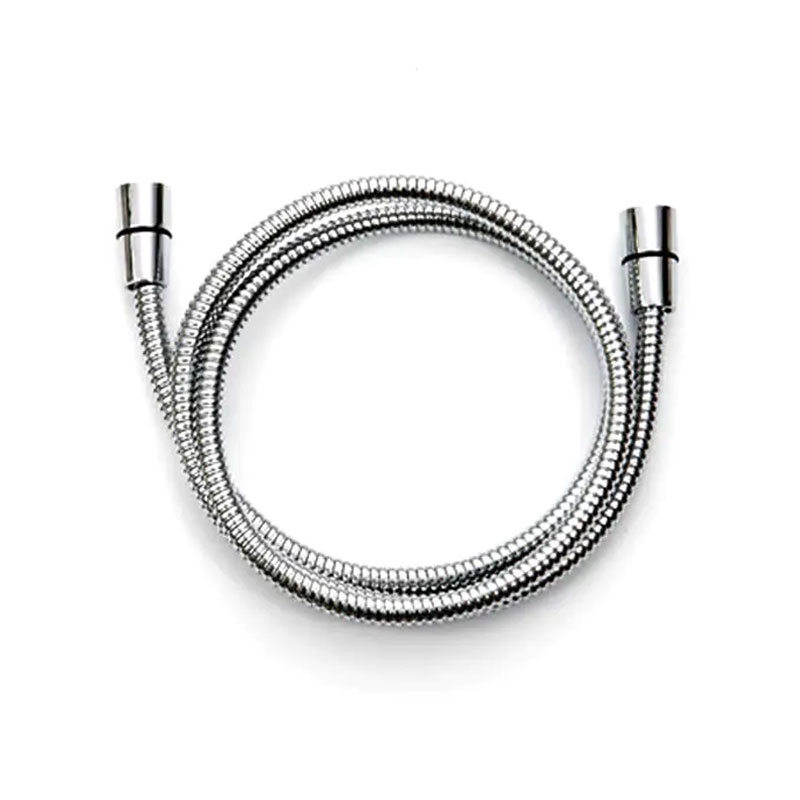
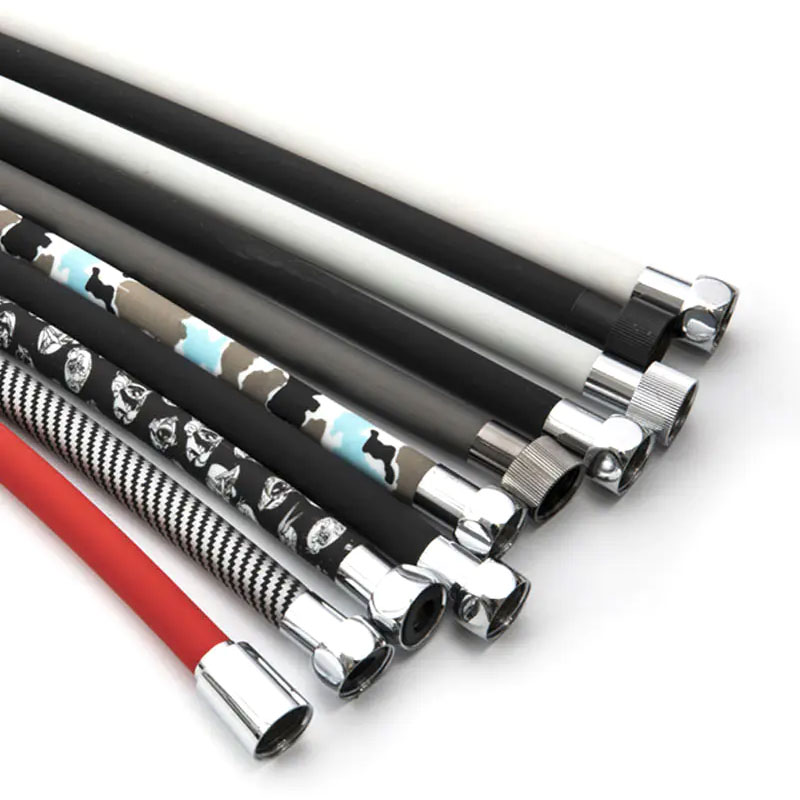 Silicone Shower Hose with Flexible, Kink-Resistant DesignThis silicone hose stays flexible across a wide temperature range and resists cracking, making it a clean, practical choice for filtered water setups where consistent flow matters.View Product →
An anti-twist or slim design also helps keep pressure stable. Kinks and twists restrict flow, making a filter cartridge work unevenly and stressing the connection points. For a filtered setup, a hose that maintains a consistent bore from inlet to outlet is a practical requirement, not a luxury.
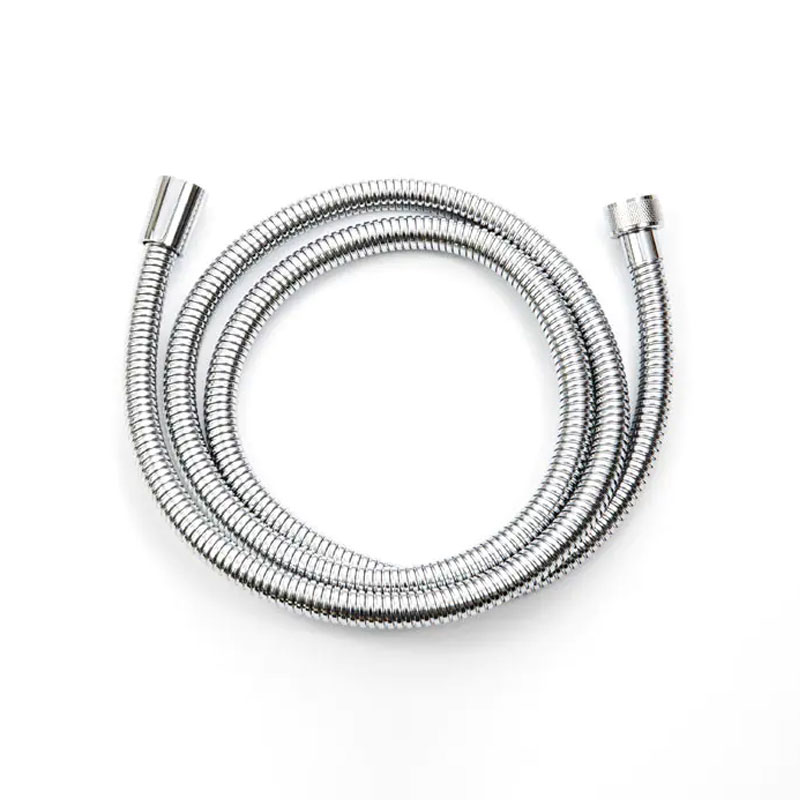
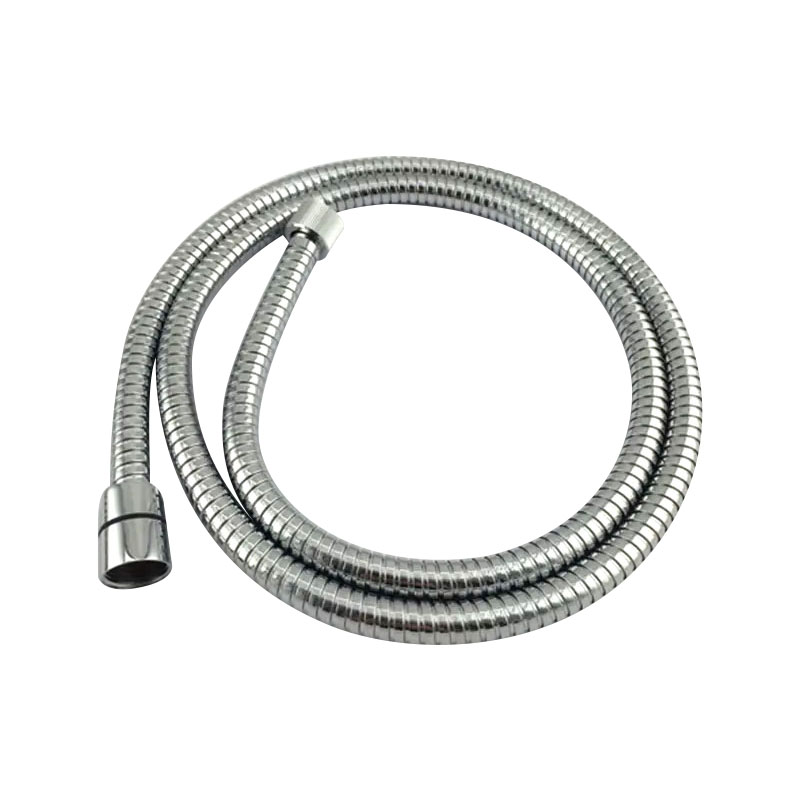 Anti-Twist Shower Hose with Chrome Finish and Brass InsertsFeaturing anti-twist brass nuts and a slim chrome design, this hose helps maintain stable water pressure by preventing kinks, ideal for installations requiring reliable flow.View Product →
If you want the full comparison of materials, standards, and selection criteria, our complete professional guide to shower hose types and materials walks through each option in practical detail.
What You Can Realistically Expect
With a properly matched filter, most people report softer-feeling hair, less scalp itching, and fewer split ends within two to four weeks. Those results come from removing oxidants and minerals, not from any regenerative effect. Hair already damaged by chlorine will not repair itself; the visible improvement appears as new hair grows in healthier.
If shedding continues or worsens after three months of filtered water, consistent sleep, and gentler hair care, see a dermatologist or trichologist. Blood tests for iron, vitamin D, thyroid function, and hormone markers are the usual next step. A shower filter is a useful tool, but it cannot override medical causes.
The Bottom Line
The best shower filter for hair loss is the one that matches your specific water chemistry. For municipally treated water, that means KDF-55, vitamin C, or a combined media bed that handles both chlorine and chloramine. For hard water, look for a unit containing ion-exchange resin, or consider a whole-house softener if hardness is very high.
Remember that the cartridge sits inside a complete delivery system. As a manufacturer of water-delivery hoses and connectors evaluated against KTW, WRAS, ACS, and CE standards, we see one mistake more often than any other: people buy an effective cartridge, then run the filtered water through an old, low-grade hose and wonder why the improvement feels small. Replace the media on schedule, upgrade the delivery line, and give the new setup three months. That is the honest, evidence-based path to fewer strands in the drain.
News
-
-
When your installer asks where to place the holder for a new hand shower, remember that the head itself has no height to decide. A handheld shower travels with...
READ MORE -
After two weeks with a new activated carbon shower filter, many homeowners notice the same mixed result: the chlorine smell is gone, but the white spots on the...
READ MORE -
A shower hose is one of the most frequently replaced yet most overlooked components in any bathroom system. From residential retrofits to large-scale hospitali...
READ MORE -
Direct Conclusion: Silicone Shower Hose vs PVC in Long-Term Durability The practical difference is clear: a Silicone Shower Hose significantly outperforms PVC ...
READ MORE -
Quick Answer No, shower hoses do not fit all showers automatically — but most do, because roughly 90% of the market has standardized around one connector: the ...
READ MORE

Contact us
-

-

+86-574-62321667
-

No.2 Chuangsheng West road, Wuma Industry Area, Lubu Town, Yuyao City, Zhejiang, China
Copyright © 2025 Yuyao Doflex Sanitary Ware Hose Co., Ltd., All Rights Reserved.
 Wholesale Bathroom Shower Hose Manufacturers