
 English
 Español
 Deutsch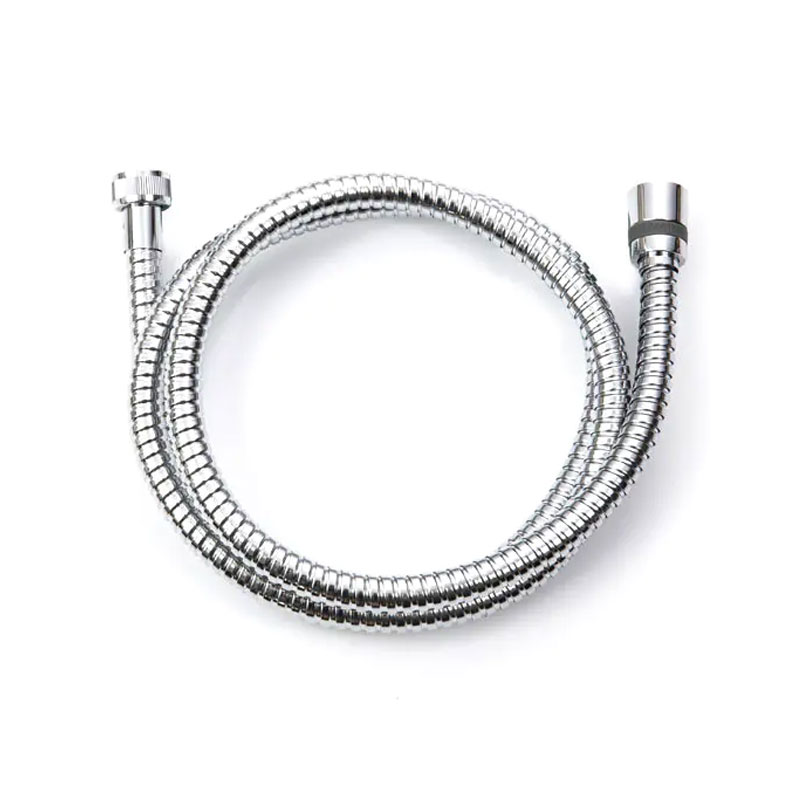
You notice it first in the drain after a shower: a few extra strands, then a small clump. You swap shampoos, skip the heat styler, and add vitamins, yet every ...
READ MORE
news
Why an Activated Carbon Shower Filter Doesn't Remove Calcium and Magnesium
Update:09-09-2026
Content
- 1 Why Hardness Minerals Stay Behind
- 2 What Activated Carbon Actually Captures
- 3 Why Some People Notice a Difference Anyway
- 4 How to Confirm That Hardness Is the Problem
- 5 Practical Options That Actually Remove Calcium and Magnesium
- 6 What to Check Before You Buy a Shower Filter
- 7 Connecting the Filtered Shower Head Correctly
- 8 The Bottom Line
After two weeks with a new activated carbon shower filter, many homeowners notice the same mixed result: the chlorine smell is gone, but the white spots on the glass door remain. Their skin may feel slightly less tight, yet soap still does not lather well. This is not a faulty cartridge. An activated carbon shower filter cannot remove calcium and magnesium, the two minerals that create water hardness. Removing dissolved hardness requires a different mechanism, and understanding that difference will save you money and disappointment.
Why Hardness Minerals Stay Behind
Hard water begins as rainwater absorbs carbon dioxide and becomes slightly acidic, dissolving minerals as it travels through rock. By the time it reaches a home, calcium and magnesium exist as positively charged ions surrounded by water molecules. They are truly dissolved, not suspended as particles.
Activated carbon works by adsorption: contaminants stick to the surface area inside the carbon granules. The process is excellent for organic compounds, chlorine, and some gases, but it is not designed to catch dissolved ions. Calcium ions, magnesium ions, and their hydration shells are simply too small to be captured by the same mechanism, and they carry a charge that carbon does not hold strongly. Even a dense carbon block leaves hardness unchanged.
A common analogy is dissolving salt in water: the salt is still in the water even after it passes through a paper filter. Activated carbon is a more sophisticated filter, but for ionic minerals the result is similar. Water that enters a shower filter with 150 mg/L of calcium carbonate equivalent leaves with essentially the same hardness.
What Activated Carbon Actually Captures
Activated carbon is not useless in the shower. It is one of the most cost-effective ways to remove chlorine and chloramine by catalytic reduction, and it adsorbs compounds that cause musty smells and bad taste. Contact time matters; a cartridge that routes water across carbon granules for longer contact will perform better than a slim head with a tiny chamber.
| Water issue | Activated carbon performance | Effective treatment |
|---|---|---|
| Chlorine | High | Carbon filtration |
| Chloramine | Moderate to high | Catalytic carbon |
| Taste and odor | High | Carbon filtration |
| Calcium and magnesium | Negligible | Ion exchange softener |
| Total dissolved solids | Low | Reverse osmosis or distillation |
| Sediment and particles | Moderate | Sediment pre-filter |
The table is intentionally blunt about hardness. Some shower filters combine carbon with copper–zinc granules or vitamin C; these additions can improve chlorine removal or create a slight antioxidant effect, but none of them transform calcium or magnesium into something removable. The cartridge may be called a “shower purifier,” but the label does not change the chemistry.
Why Some People Notice a Difference Anyway
The placebo effect is not the only explanation. Chlorine is a strong oxidizer and can leave hair and skin feeling dry, especially in hot water. When a carbon filter removes chlorine, bathers often report softer hair and less itchy skin. These benefits are real, but they are chlorine-related, not hardness-related.
Hardness leaves observable clues that do not disappear with carbon alone:
- White scale on shower screens and fittings;
- Poor lather with ordinary soap;
- Soap scum or dull-looking hair after it dries;
- Stiff fabric or mineral residue on bathroom surfaces.
If a manufacturer claims a “softening” effect from carbon-only media, ask for the water test before and after. The difference you notice in the shower may simply be chlorine removal.
How to Confirm That Hardness Is the Problem
Before choosing any treatment, measure hardness. Public water suppliers often issue annual reports with hardness values. Home test strips and drop kits are inexpensive and give a clear classification: soft (below 60 mg/L), moderately hard (60–120 mg/L), hard (120–180 mg/L), and very hard (above 180 mg/L).
Also check the less scientific signs: scale on faucet aerators, white film on shower glass, high soap consumption, and dull-looking laundry. If hardness is above 120 mg/L, a carbon shower filter will not make the water test differently; it will only remove the chlorine and odors that may be masking the issue.
Practical Options That Actually Remove Calcium and Magnesium
The standard method for true hardness removal is ion exchange. A whole-house water softener uses resin beads charged with sodium or potassium ions. As water flows through, calcium and magnesium ions are exchanged for sodium or potassium. The result is water that lathers easily and leaves little scale.
For showers specifically, some cartridges contain cation exchange resin rather than carbon. These are limited-capacity softening cartridges; they can reduce hardness for a certain number of liters, then require regeneration or replacement. They are chemically different from carbon filters and should be checked carefully.
Chelating conditioners are another option. They bind hardness ions and keep them from depositing as scale, which can reduce spotting on glass. They do not remove the minerals from the water, but they change how the water behaves.
If you already have a purified-water supply in the home, a dedicated pure-water sprayer or shower header can be a practical addition. It gives you a low-mineral outlet for rinsing sensitive skin or cleaning the shower, separate from the normal hot-water feed.
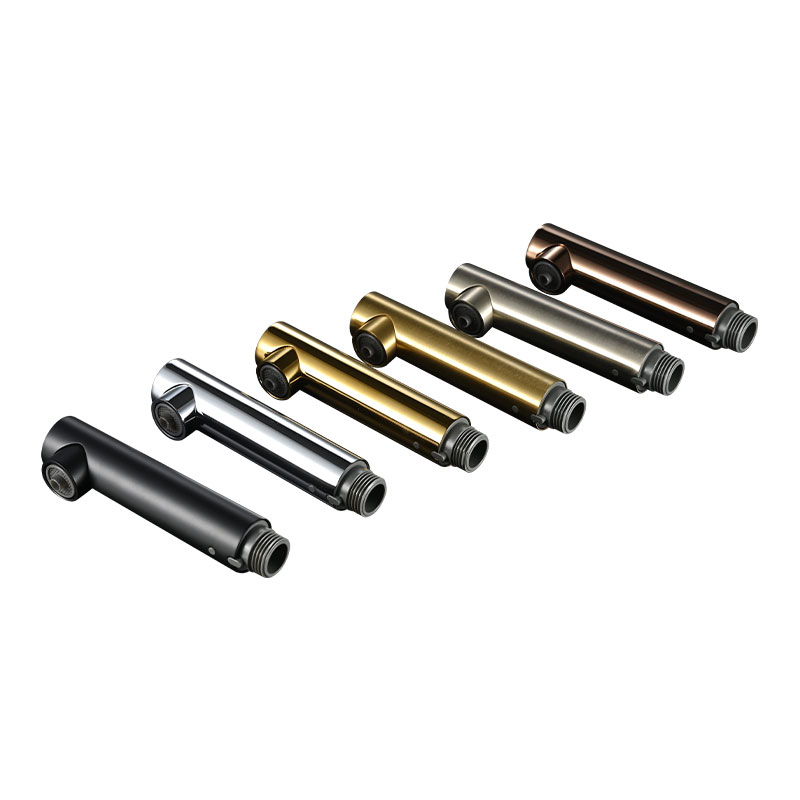 Pure Water Sprayer Shower Head for Kitchen and BathroomThis dedicated pure-water outlet is designed for homes with purified water, offering a low-mineral rinse option for sensitive skin or shower cleaning. Durable 304 stainless steel construction supports long-term use.View Product →
What to Check Before You Buy a Shower Filter
Read the media list, not the label. A cartridge containing only activated carbon, copper–zinc granules, or vitamin C is not going to soften water. A cartridge that clearly says “ion exchange resin” may soften limited volumes, but capacity and flow rate matter.
- Media type: Make sure the media matches your actual water problem.
- Rated capacity: Look for a measurable volume in liters or gallons, not vague “stages.”
- Flow rate: Check the maximum flow in L/min or gpm so the shower still feels normal.
- Certification: Prefer products with clear material and performance standards for the region where you live.
- Replacement interval: A realistic maintenance schedule keeps the filter working as intended.
If your main problem is calcium and magnesium, spend your money on a softener or a resin-based point-of-use unit rather than a carbon cartridge marketed with broad claims.
Connecting the Filtered Shower Head Correctly
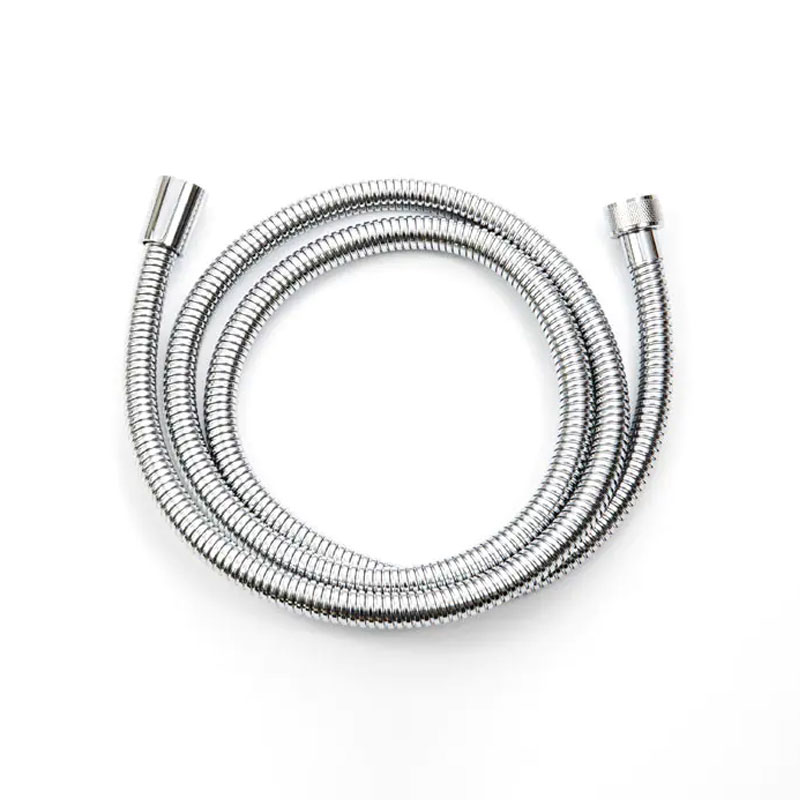
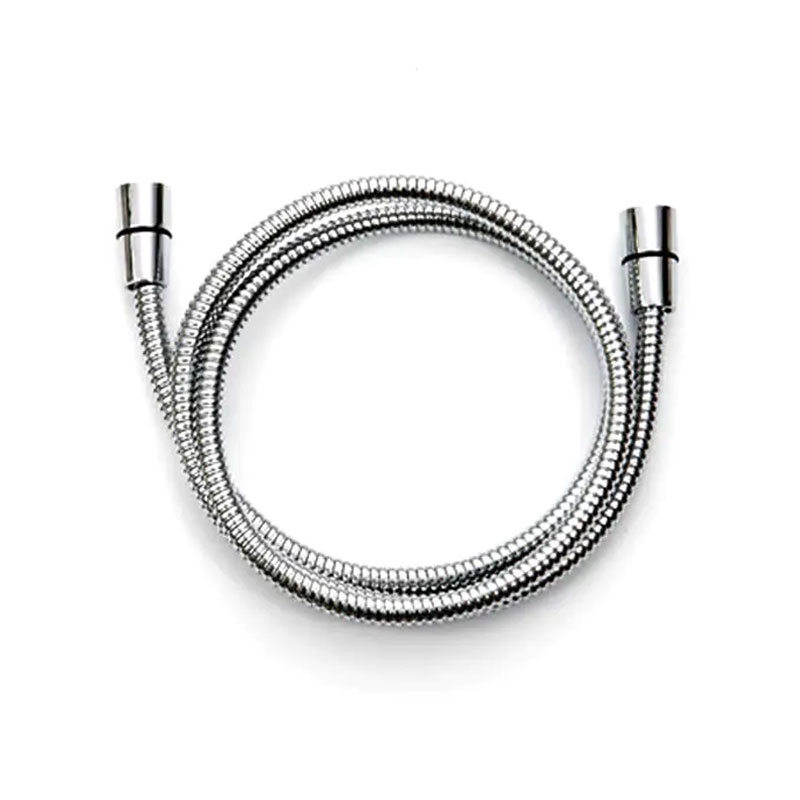
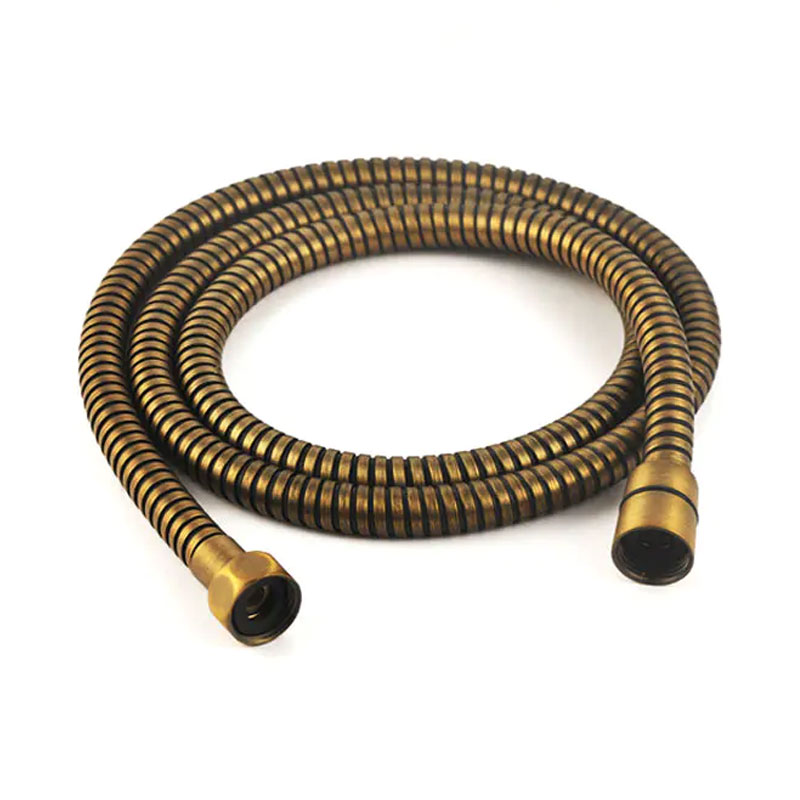
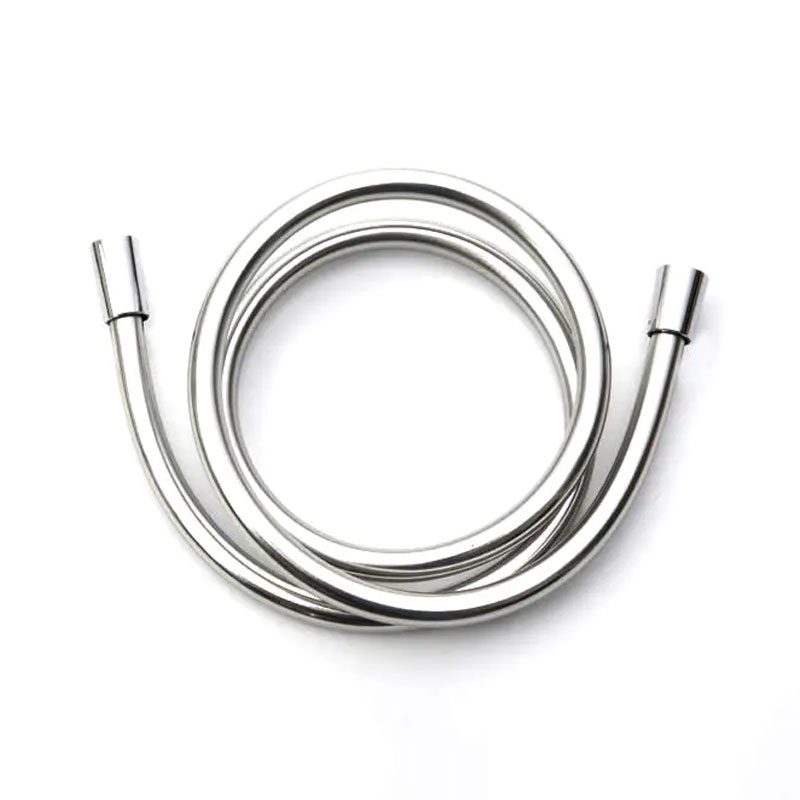
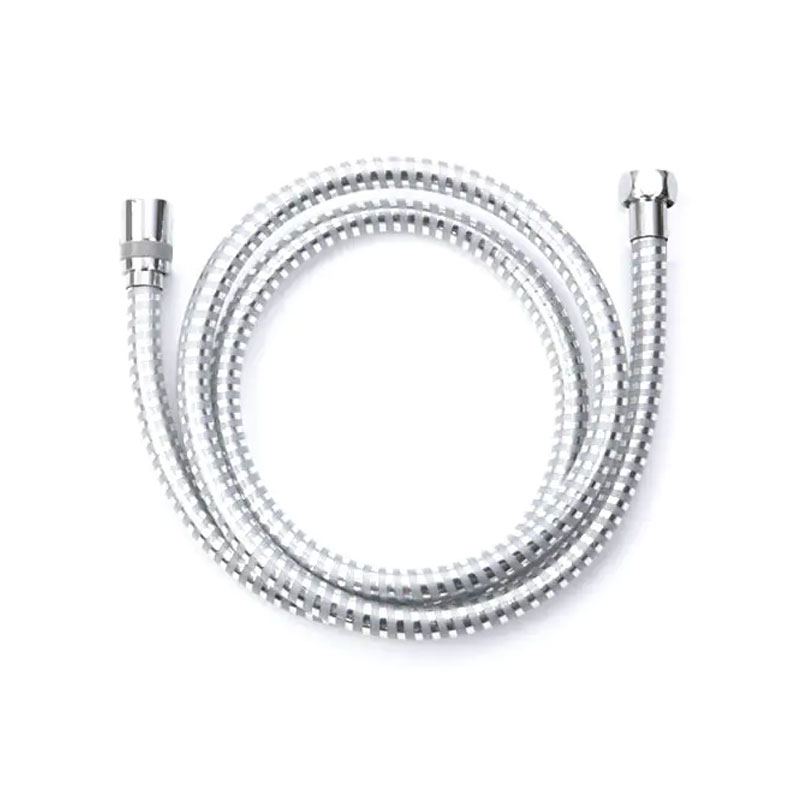
The filter is only one part of the shower assembly. A heavy filtered head can stress a shower arm if the hose is too short or twisted. An anti-twist shower hose reduces kinking and keeps the head adjustable without loosening the connection. Material also matters: silicone inner tubes remain flexible in warm water, while a stainless steel outer braid adds durability.
If you are selecting a replacement hose, consider length, bend radius, and fitting type. The difference between good and weak construction shows around the nuts and ferrules after a few months of movement. For a more detailed overview, this guide to shower hose types, materials, and selection criteria lists the main standards and trade-offs.
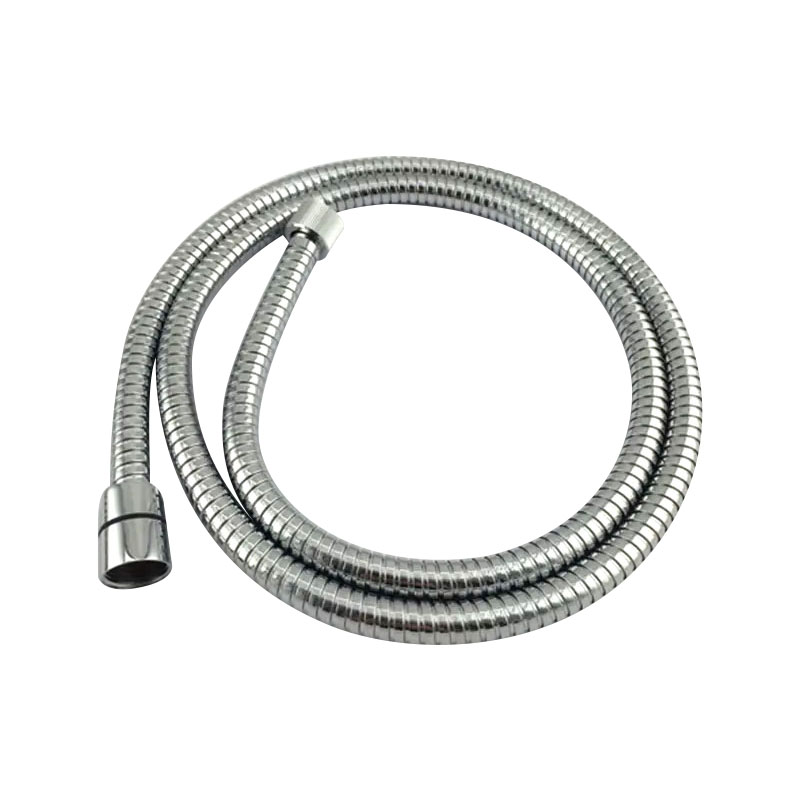 Anti-Twist Stainless Steel Shower Hose with Brass FittingsA 1.5-meter chrome-finished hose with anti-twist brass nuts and brass inserts, rated for 15 bar pressure. Suitable for replacing worn shower hoses where fitting durability and kink resistance matter.View Product →
The Bottom Line
Activated carbon shower filters are a practical answer for chlorine, taste, and odor. They are not a substitute for water softening, and no carbon-only cartridge will remove dissolved calcium or magnesium.
To choose the right product, first identify your problem. Test the water, read the media list, and invest in ion exchange if hardness is the true cause. Carbon for chlorine, resin for hardness, and a properly installed hose for a leak-free shower: that combination will give you realistic results.
News
-
-
If your hair feels brittle and your skin looks dry even after switching to sulfate-free shampoo and moisturizing creams, the problem may not be your products—i...
READ MORE -
Shower room accessories acceptance standard, shower room: separate shower cubicle. Modern homes have higher and higher requirements for bathroom facilities. Man...
READ MORE -
Choosing a new shower head sounds like one of the simplest bathroom upgrades, until you start comparing models. Fixed or handheld? Chrome or matte black? Rain ...
READ MORE -
The short answer is mostly yes, but not always. Most shower hoses are built around a standard 1/2-inch BSP (British Standard Pipe) thread at both ends, so a re...
READ MORE -
A handheld shower head is one of the easiest bathroom upgrades there is, and most installations take about fifteen minutes with an adjustable wrench and a roll...
READ MORE

Contact us
-

-

+86-574-62321667
-

No.2 Chuangsheng West road, Wuma Industry Area, Lubu Town, Yuyao City, Zhejiang, China
Copyright © 2025 Yuyao Doflex Sanitary Ware Hose Co., Ltd. , All Rights Reserved.
 Wholesale Bathroom Shower Hose Manufacturers