
 English
 Español
 Deutsch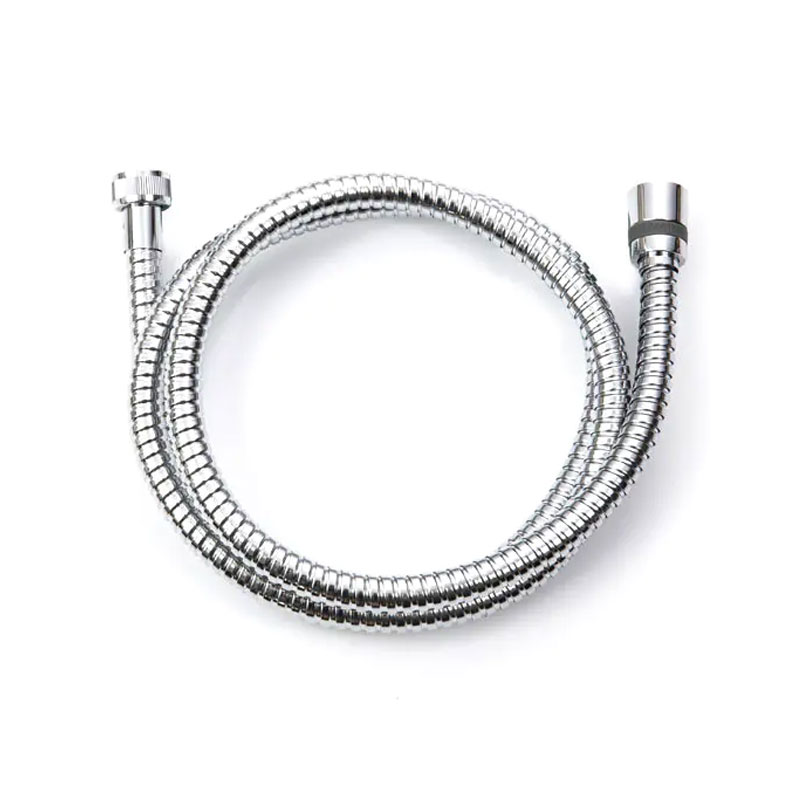
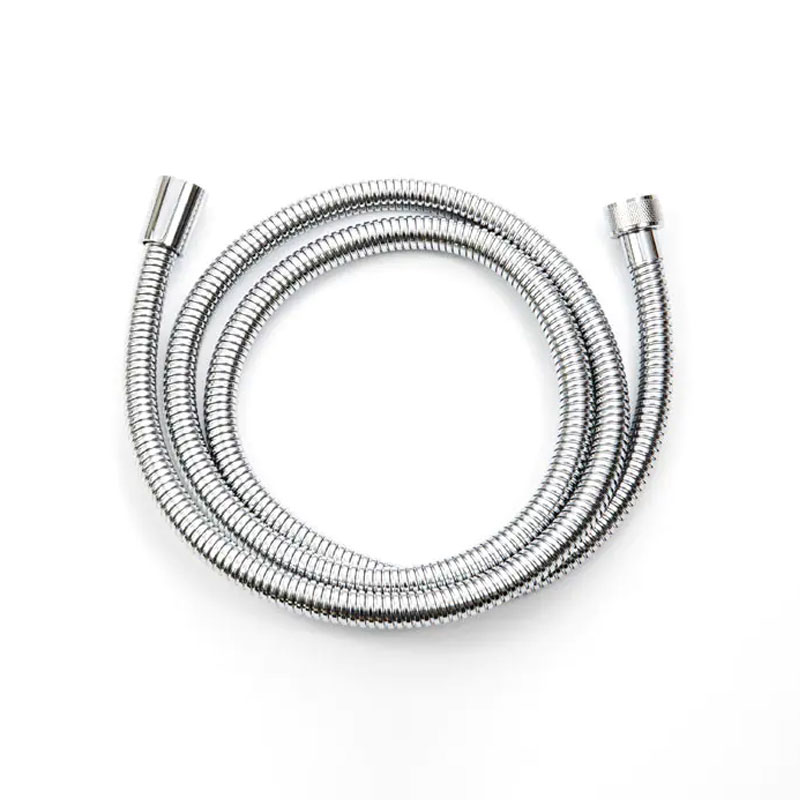
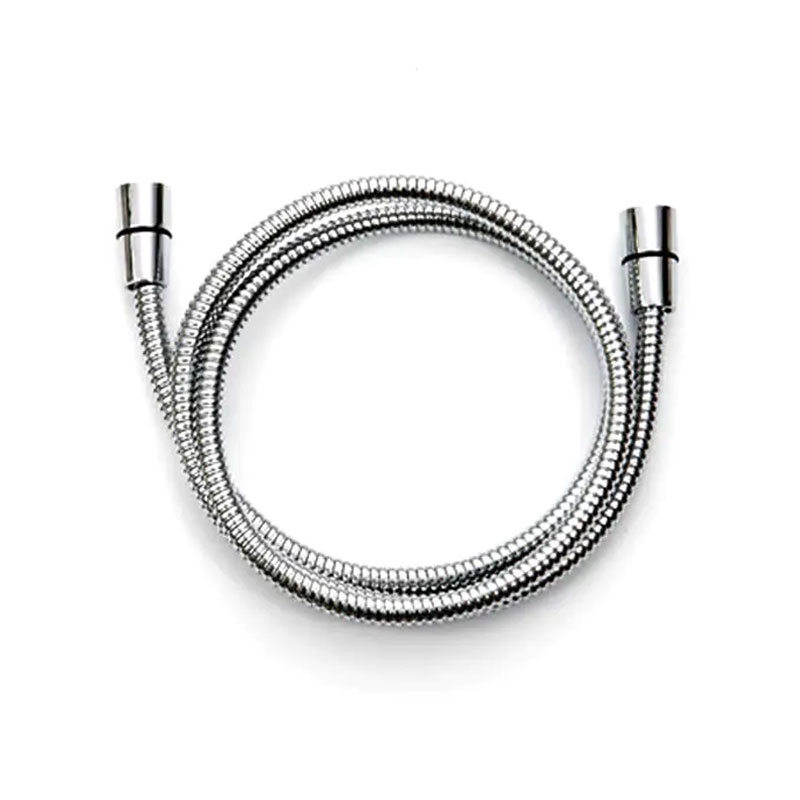
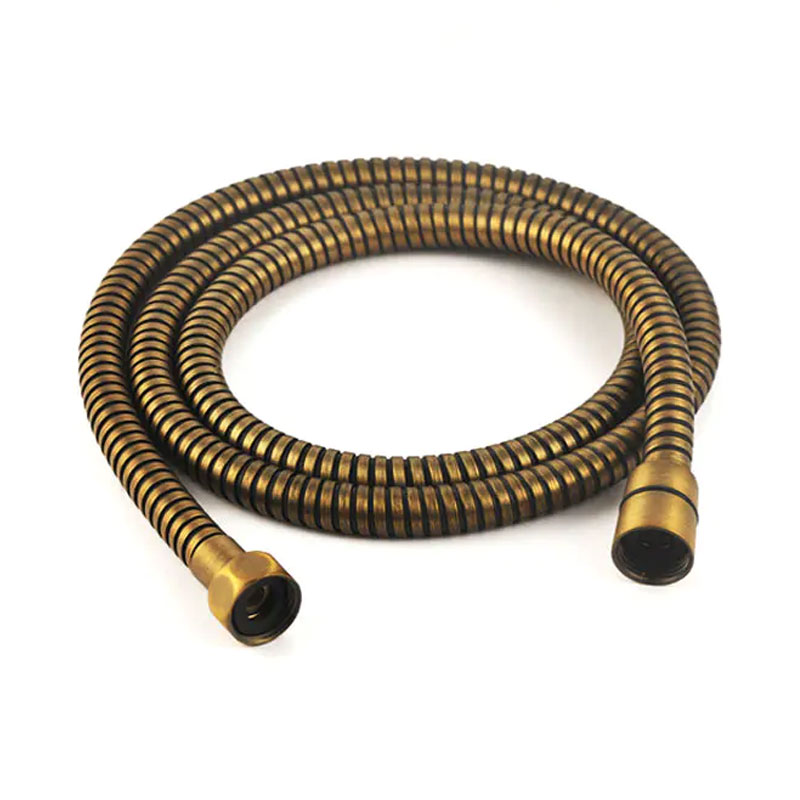
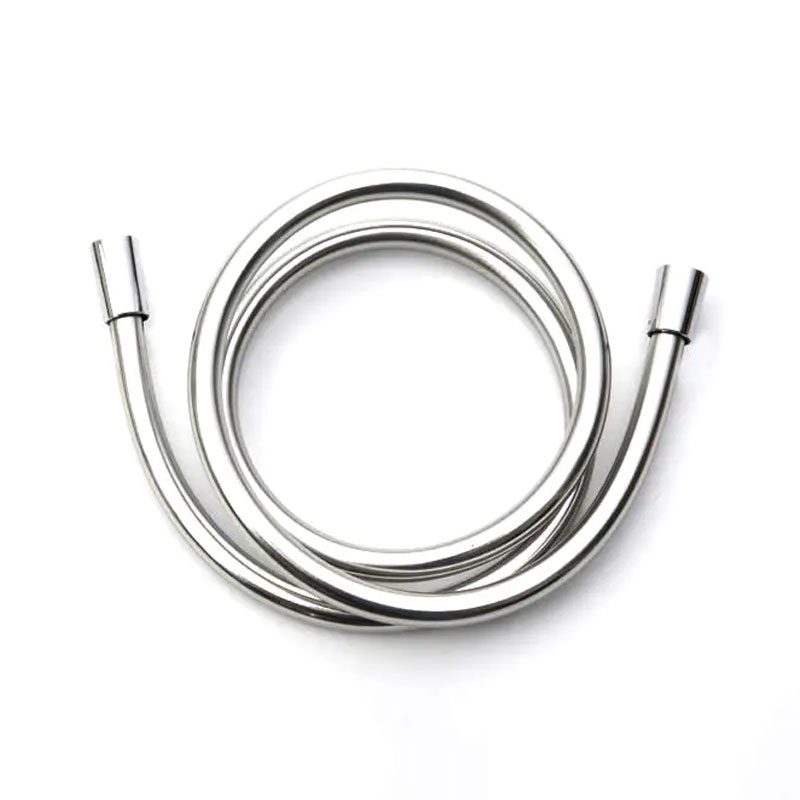
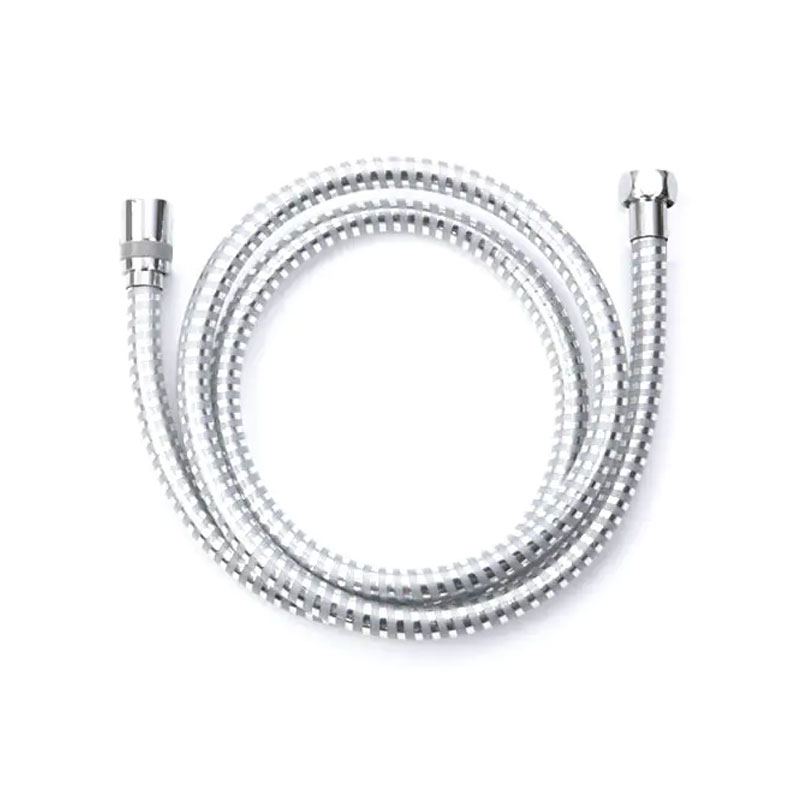
A quality kitchen braided hose lasts 8 to 12 years under normal household conditions, and up to 15 years with excellent water quality and low usage stress — fa...
READ MORE
news
Can You Replace the Hose on a Kitchen Faucet, or Do You Need a New One?
Update:19-08-2026
Content
On a Tuesday morning, you pull the spray head on your kitchen faucet and watch a thin jet of water escape from the seam where the hose meets the fitting. The faucet head still works, the handle turns smoothly, and nothing else is wrong — but the hose is clearly leaking. Before you start pricing new faucets, you are probably asking: can you replace the hose on a kitchen faucet?
The short answer is yes, on most pull-out and pull-down models. The hose is a serviceable part on many modern faucets, and replacing it takes about twenty minutes with basic hand tools. The longer answer depends on the type of connection your faucet uses, whether a compatible replacement hose exists, and whether the repair makes financial sense compared with a new faucet.
How to Tell Whether Your Faucet Hose Is Replaceable
Kitchen faucets with a detachable spray head use one of two construction methods. The first is a threaded or quick-connect design: the spray head unscrews from the hose, and the hose connects to the faucet body with a nut or a push-in fitting. This type is designed to be replaced. The second is a crimped or swaged assembly, where the hose is permanently pressed onto the fittings at the factory. This type is not meant to be serviced.
To tell which one you have, reach under the sink and inspect the hose. Look for a metal nut where the hose enters the faucet body, or a quick-connect collar that you can squeeze and pull apart. If either is present, the hose is replaceable. If the hose is molded into the fitting with no visible seam, or if the spray head appears permanently fused to the hose, you are likely looking at a factory-sealed unit. Some manufacturers use non-serviceable hoses to keep production costs down, and for those models a direct replacement hose is often not available.
Also confirm that the leak is actually coming from the hose rather than from a loose connection at either end. Many apparent hose failures turn out to be a worn O-ring or a nut that needs a quarter turn of tightening. If the braided outer layer is wet but the leak only appears while the water is running, our tips for diagnosing a leak in a kitchen braided hose can help you pin down the source before you buy anything.
Tools and Materials You Will Need
Replacing the hose is a straightforward job, and the shopping list is short:
- Adjustable wrench or a pair of open-end wrenches
- Plumber's tape for sealing threaded connections
- A bucket and clean towels to catch residual water
- A flashlight to see the underside of the sink
- A replacement hose that matches the original length and fitting type
Before removing anything, leave the old hose installed until the replacement arrives. Having the old part in hand makes it easy to compare overall length, connector style, and the diameter of the end fittings. If the faucet body uses a proprietary quick-connect, you may need the faucet model number to order the correct part. When the spray hose and the supply tubes that connect the faucet to the shut-off valves are both worn, this is a good moment to replace the kitchen faucet tube series as well, since the cabinet is already empty.
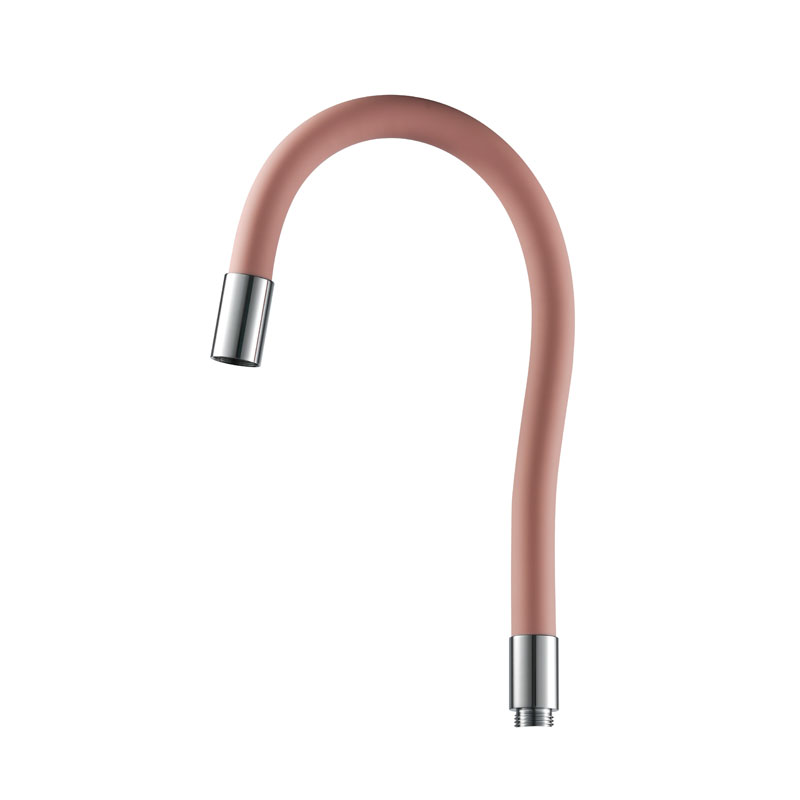 Custom Kitchen Faucet Extension Tube Manufacturers, SuppliersYuyao Doflex Sanitary Ware Hose Co., Ltd. is China Kitchen faucet tube Manufacturers and kitchen faucet extension tube Suppliers, we offe...View Product →
Step-by-Step: Replacing the Kitchen Faucet Hose
- Shut off the hot and cold water valves under the sink, then open the faucet handle to release residual pressure.
- Remove the spray head from the hose if the design allows it, and set it aside with the gasket.
- Reach under the sink and disconnect the hose from the faucet body. Use a wrench on the nut if it is tight; for quick-connect fittings, press the release collar and pull straight down.
- Slide the counterweight off the old hose and note its position. The weight should sit at roughly the same height on the new hose to keep the pull-out action smooth.
- Pull the old hose out from the top of the faucet spout or drop it down through the underside, depending on how it was routed.
- Route the new hose back along the same path. If the top end has a cone-shaped gasket, press it firmly into place inside the faucet body.
- Reconnect the lower end of the hose to the faucet body with a nut or quick-connect. Hand-tighten the nut, then add a quarter turn with the wrench — overtightening can crack a plastic or brass fitting.
- Slide the counterweight back onto the hose, reattach the spray head, and turn the water valves on slowly. Test both hot and cold positions, and check the connection points for drips.
If the new hose feels stiff at first, run cold water through it for a minute; many braided hoses relax slightly once the core is wet. Do not move on to caulking or sealing anything until the connections are dry to the touch.
How to Choose a Replacement Hose That Fits
Kitchen faucet hoses are not universal. To buy the right one you need to match three things: the overall length, the connector type at the faucet body, and the end fitting on the spray head. Typical pull-out hoses run from 22 to 30 inches, but some extend farther. The connector at the faucet body may be a standard 1/2-inch nut, a proprietary quick-connect, or a snap-in collar, and brands do not always share the same system. When in doubt, contact the faucet manufacturer with the model number before ordering.
Material matters as much as fit. Most replacement hoses are nylon braided over a PVC or rubber core, which keeps the hose flexible and resistant to kinking. Other options use a stainless-steel braid for extra abrasion resistance, or a silicone core for applications involving frequent flexing and temperature swings. If the hose carries drinking water, confirm that the material meets potable-water standards such as WRAS, KTW, or NSF/ANSI 61, particularly if you are in a region where those certifications are required by code. An integrated kitchen and bathroom hose manufacturer normally lists these approvals on the product page and can confirm the fitting type before you order.
| Material | Durability | Flexibility | Best Suited For |
|---|---|---|---|
| Nylon braided over PVC core | Good | High | Standard pull-out spray hose replacement |
| Stainless-steel braided | Excellent | Medium | Supply lines and hoses exposed to abrasion |
| Silicone | Very high | Very high | Hoses that flex frequently or see temperature swings |
| Plain PVC | Moderate | High | Budget replacements with short expected life |
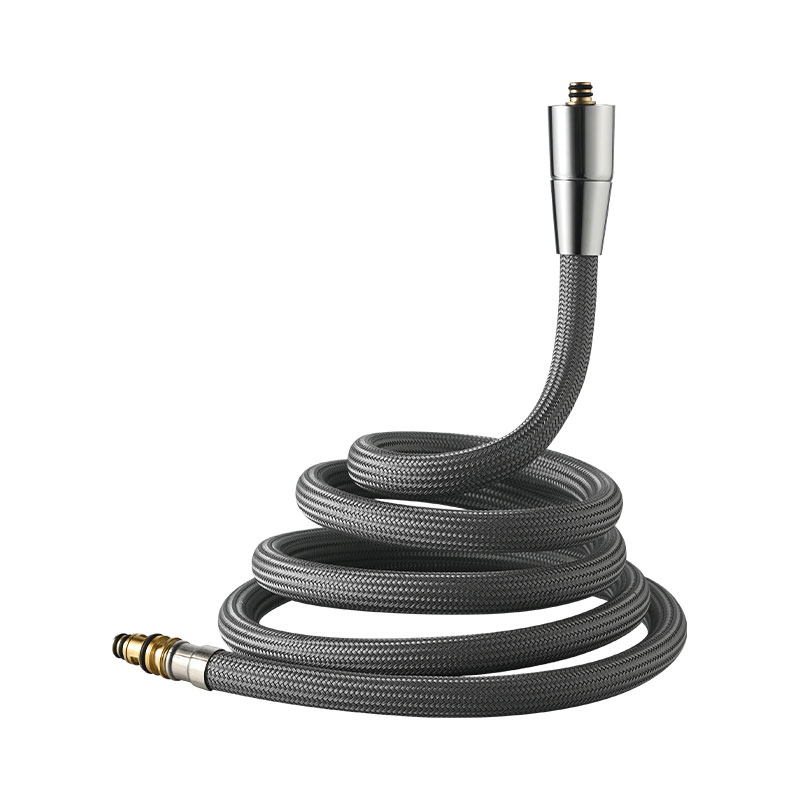
For a braided replacement, look at a product range such as our kitchen braided hose series, which is built with high-strength materials and offered in several lengths and fitting configurations. Compare the specifications against the old hose before you cut anything loose.
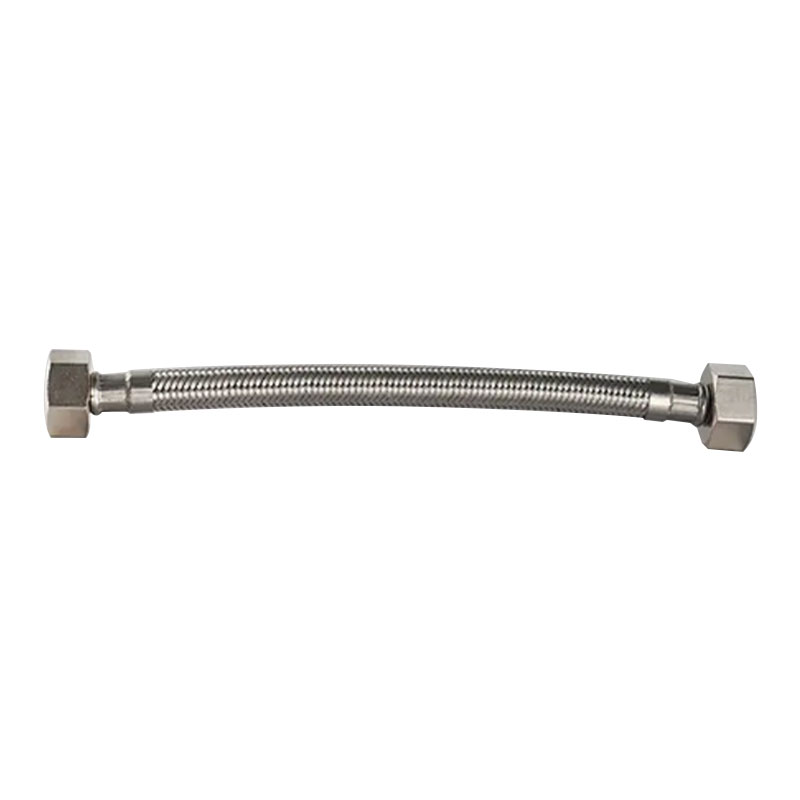 Kitchen Braided Hose Manufacturers, Kitchen Faucet Braided Hose SuppliersAs China Kitchen Braided Hose Manufacturers and kitchen faucet braided hose Suppliers, Yuyao Doflex Sanitary Ware Hose Co., Ltd. offer Cu...View Product →
When Replacing the Hose Is Not Worth It
There are situations where the sensible move is a new faucet rather than a new hose. If the hose is swaged onto the fittings and cannot be removed, a replacement is impossible without replacing the entire spout assembly. If the faucet body is corroded, or if the cost of a compatible hose approaches half the price of a new faucet, buying the new faucet is usually the better long-term investment. The same logic applies when a previously replaced hose has already started kinking or leaking again — repeated failures point to a faucet design or water pressure problem, not to a defective part. In that case, installing a new faucet with a hose designed to handle your water pressure will solve the underlying issue.
While you are considering the replacement, it is also worth thinking about whether the new hose should do more than just carry water. A double-waterway kitchen hose, for example, carries filtered and unfiltered water through separate channels in a single hose, so you can add a filtered-water tap without drilling a second hole in the countertop. If you were already planning to replace a failing hose, the upgrade naturally fits into the same job.
 OEM/ODM Double Waterway Kitchen Hose Manufacturers, SuppliersAs China Double Waterway Kitchen Hose Manufacturers and Suppliers, Yuyao Doflex Sanitary Ware Hose Co., Ltd. offer OEM/ODM Nylon Double W...View Product →
Two Installation Mistakes to Avoid
The first mistake is overtightening the nut at the faucet body. Brass and plastic fittings crack easily, and a hairline crack often only appears after the water pressure is restored. Tighten until the nut seats, then add only a gentle additional turn. The second mistake is leaving the counterweight off or moving it to the wrong position. Without the weight, the hose snaps back against the faucet body with every retraction, which eventually weakens the fitting and causes the exact leak you replaced the hose to fix.
Take the extra five minutes to position the weight so the hose retracts smoothly but does not fall out of the spout on its own. If the water pressure in your home is above 80 psi, a pressure-reducing valve is a better long-term answer than repeatedly replacing hoses.
News
-
-
If you have ever stepped out of the shower with tight, itchy skin, dull hair, or a faint swimming-pool smell that follows you out of the bathroom, you have pro...
READ MORE -
Quick Answer No, shower hoses do not fit all showers automatically — but most do, because roughly 90% of the market has standardized around one connector: the ...
READ MORE -
The Kitchen Faucet Tube connecting a kitchen faucet to the water supply — usually called a supply line or supply hose — is almost always a flexible braided sta...
READ MORE -
If your kitchen braided hose is leaking, the fix usually takes under 30 minutes and costs $5–$30—depending on whether you need a washer replacement or a full h...
READ MORE -
The short answer is mostly yes, but not always. Most shower hoses are built around a standard 1/2-inch BSP (British Standard Pipe) thread at both ends, so a re...
READ MORE

Contact us
-

-

+86-574-62321667
-

No.2 Chuangsheng West road, Wuma Industry Area, Lubu Town, Yuyao City, Zhejiang, China
Copyright © 2025 Yuyao Doflex Sanitary Ware Hose Co., Ltd., All Rights Reserved.
 Wholesale Bathroom Shower Hose Manufacturers