
 English
 Español
 Deutsch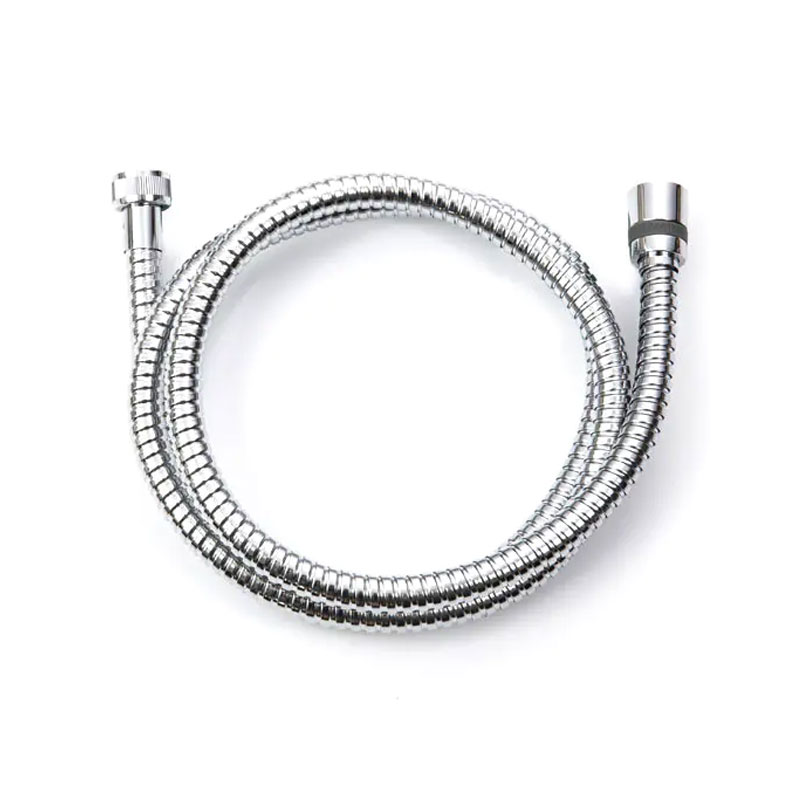
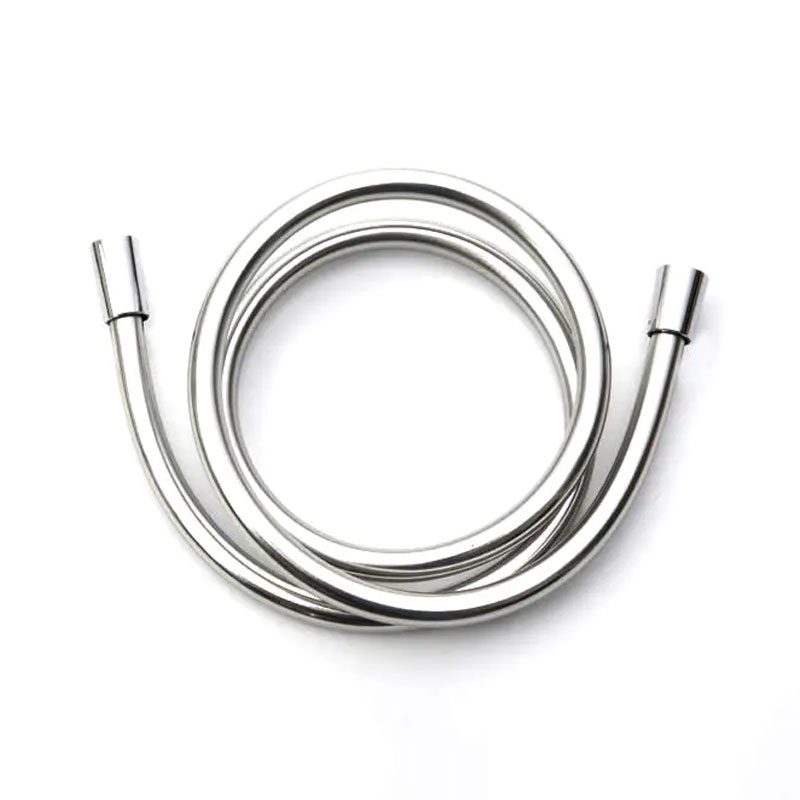
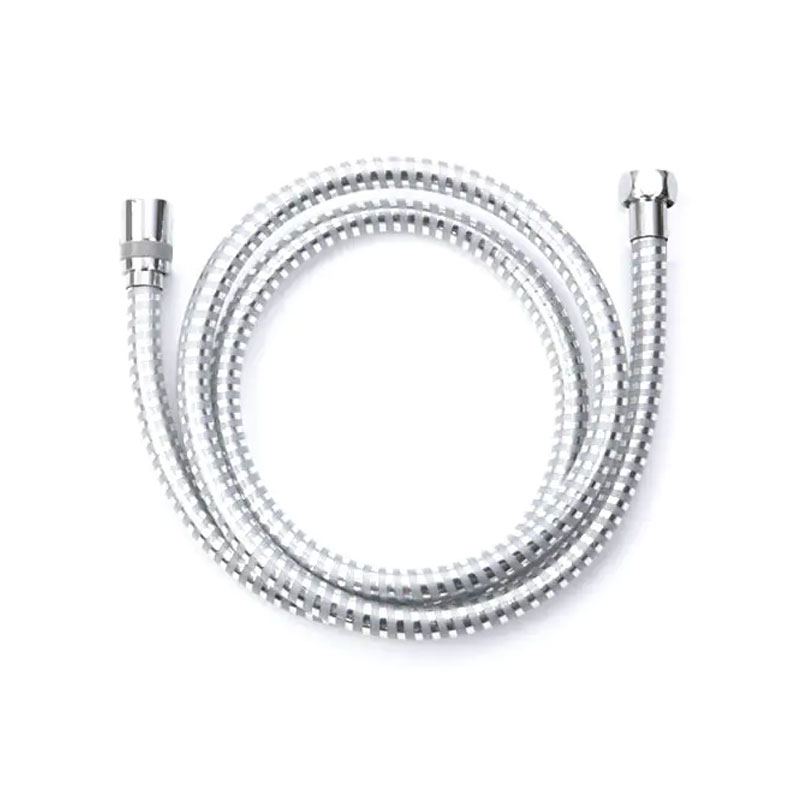
Shower room accessories acceptance standard, shower room: separate shower cubicle. Modern homes have higher and higher requirements for bathroom facilities. Man...
READ MORE
news
Do All Shower Hoses Fit All Showers? Thread Sizes, Lengths, and Fittings Explained
Update:26-08-2026
Content
The short answer is mostly yes, but not always. Most shower hoses are built around a standard 1/2-inch BSP (British Standard Pipe) thread at both ends, so a replacement hose will normally screw straight onto the wall-mounted shower arm at one end and the handheld shower head at the other. That convention is the reason a hose swap can be a five-minute job. The "but" comes from the exceptions: 3/4-inch connections, regional thread standards such as NPT, and brand-specific fittings on some electric showers can all reject a supposedly universal hose. Knowing which fitting you are dealing with before you buy saves you the frustrated trip back to the shop.
The 1/2-Inch Standard: Why Most Shower Hoses Fit Most Showers
The vast majority of residential shower hoses are made to one connection size: G1/2, meaning a 1/2-inch BSP thread with a 55-degree flank angle. The shower side of the system is typically a short male-threaded shower arm; the handheld side is a female-threaded inlet on the shower head. The hose simply carries a matching female swivel nut at each end, with a rubber washer inside each nut to form the seal.
This standard appears across most of the world's mixing showers, wall-mounted shower arms and handheld shower heads, which is why "universal" hoses genuinely do work in most homes. The same 1/2-inch BSP size is also used on kitchen hand-spray hoses, bidet sprayers and other bathroom accessories, so you will meet the thread across the whole bathroom rather than just in the shower.
One caveat applies when shopping in North America: some fixtures use 1/2-inch NPT instead of BSP. NPT is a tapered 60-degree thread and looks almost the same at a glance, but it will not mate correctly with a BSP nut. Forcing the two together is how threads get stripped and nuts get cracked.
When a Standard Shower Hose Will Not Fit
The 3/4-Inch Connection
Most wall plumbing runs on 3/4-inch supply pipes, but the hose connection point is usually 1/2-inch. Some high-flow shower systems, thermostatic valves in certain markets, and a number of electric shower models use a 3/4-inch hose connector instead. A 3/4-inch BSP thread measures roughly 26.4 mm across the outside, versus about 20.9 mm for 1/2-inch, so the difference is obvious once you put a rule next to it. A 1/2-inch hose nut will not reach the larger thread, and although reducer fittings exist, they add a joint that can leak if the washer is not perfectly seated.
BSP versus NPT Thread Standards
BSP and NPT are the most commonly confused pair of standards. Both can be around 1/2-inch in diameter and both have a similar number of threads per inch, but BSP threads are parallel with a 55-degree profile while NPT threads are tapered with a 60-degree profile. When the two are twisted together, they cannot form a proper seal, and the leak appears immediately or within a few weeks. This rarely matters in Europe and Asia, where BSP dominates, but it is critical for anyone replacing a hose on North American fixtures.
Proprietary Fittings on Electric Showers
Electric showers generate the largest share of "my new hose does not fit" stories. Some electric shower models use a non-standard outlet connection, and a few also use a special fitting on the water inlet. In those cases the manufacturer's own hose, or an approved adaptor kit, is the practical solution. The manual is the most reliable reference: if the outlet looks unusual, check the brand's spare-parts list instead of assuming a standard hose will work.
Cone Fit on the Hand Shower End
Thread size is not the only thing that has to match. The hand-shower end of a hose carries a small tapered cone that seats inside the handheld shower head's socket. Most hand showers accept the same standard cone, but older models and some minimalist designs use a slimmer receiver. If the cone is too wide it will not slide in; if it is too narrow, the hand shower can wobble or drip around the seal. A hose that includes an alternative smaller cone gives you the flexibility to handle both cases.
Thread Sizes and Fittings at a Glance
| Connection | Thread size | Typical application | Compatibility |
|---|---|---|---|
| 1/2-inch BSP (G1/2) | about 20.9 mm outside diameter | Standard wall arms, handheld showers, most mixing showers | Fits the large majority of homes |
| 3/4-inch BSP (G3/4) | about 26.4 mm outside diameter | High-flow showers, some electric showers, certain European valves | Requires a matching hose or a carefully fitted reducer |
| 1/2-inch NPT | about 21.3 mm outside diameter | Some North American fixtures and older plumbing | Not interchangeable with BSP despite the similar size |
| Proprietary fittings | Varies by brand | Certain electric shower models and shower towers | Only the brand's hose or an approved adaptor fits |
Beyond the Thread: Length, Material and Connection Quality
Length
The standard shower hose length is 1.5 metres, or about 5 feet, which suits most fixed wall brackets and handheld use. A 1.25-metre hose keeps the line tidy when the hand shower mounts directly above a bath, while a 2-metre hose adds reach for washing long hair or rinsing down the cubicle. Stretching a hose to its limit puts unnecessary strain on the nuts and the inner tube, so when in doubt, choose the longer option.
Material
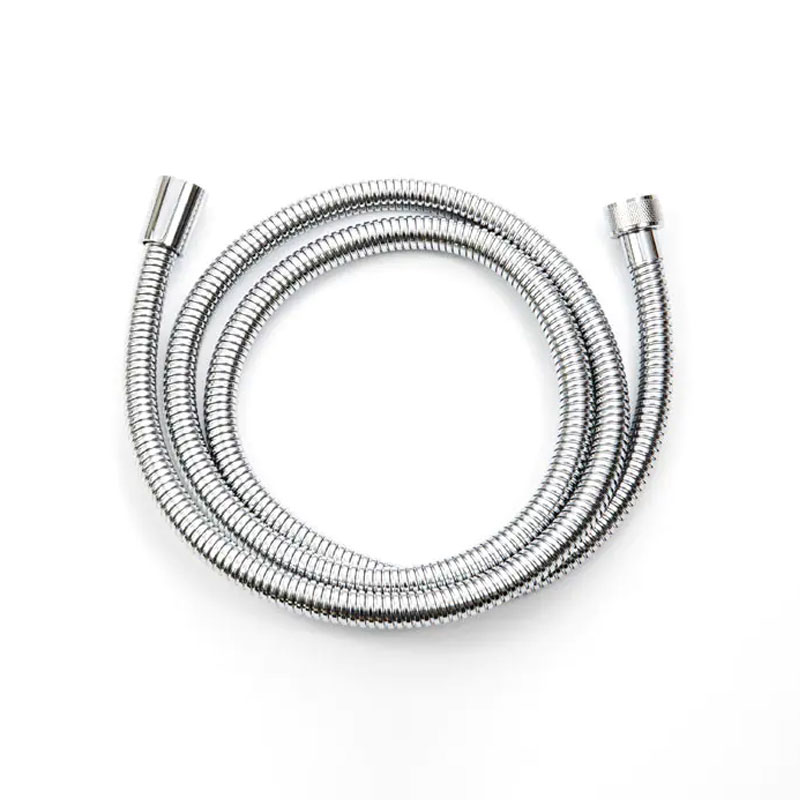
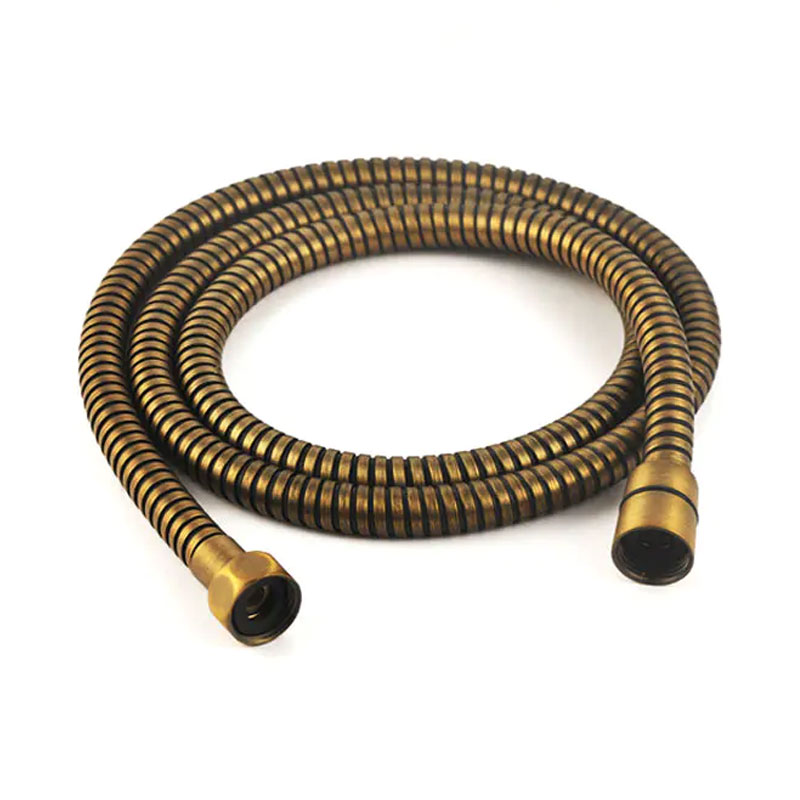
Material determines how a hose behaves after a year of daily use. Budget PVC hoses are light and flexible and handle normal water pressure well, but they can harden, discolour or crack over time, especially in warm bathrooms. Stainless steel is the tougher outer option: it resists abrasion, shrugs off cleaning products and keeps a clean metallic look, which is why a stainless steel shower hose remains the default for busy family bathrooms. If you are replacing a hose that went stiff in cold weather or on hard water, a silicone shower hose keeps its flexibility for far longer and is available in a much wider choice of colours. For a full material-by-material comparison, our complete guide to shower hose types covers the trade-offs in more detail.
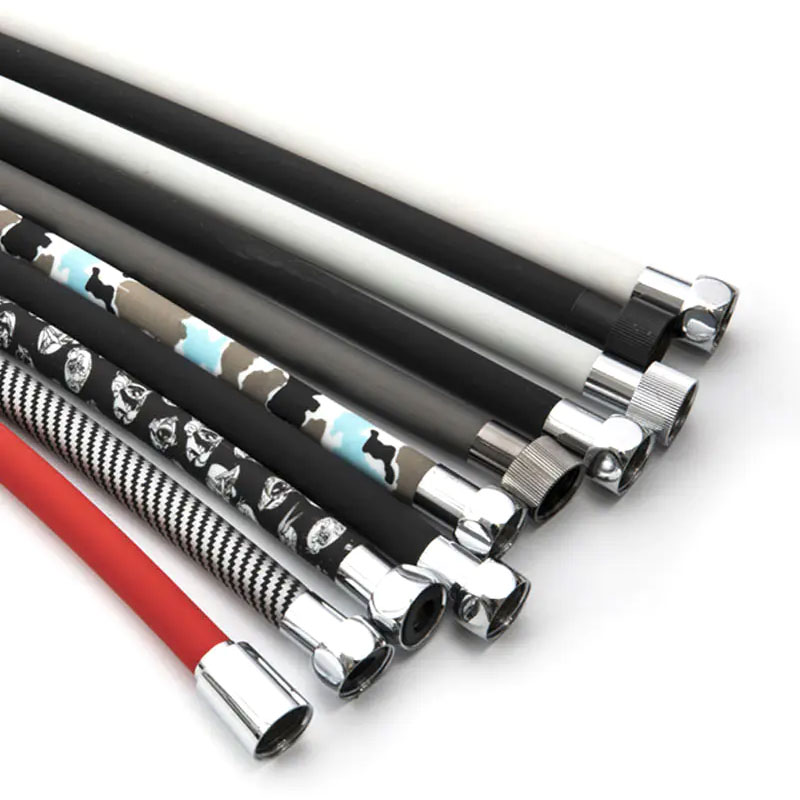 Wholesale Silicon Shower Hose Suppliers, China Factory - Yuyao Doflex Sanitary WYuyao Doflex Sanitary Ware Hose Co., Ltd. is China wholesale Silicon Shower Hose Suppliers and Factory,View Product →
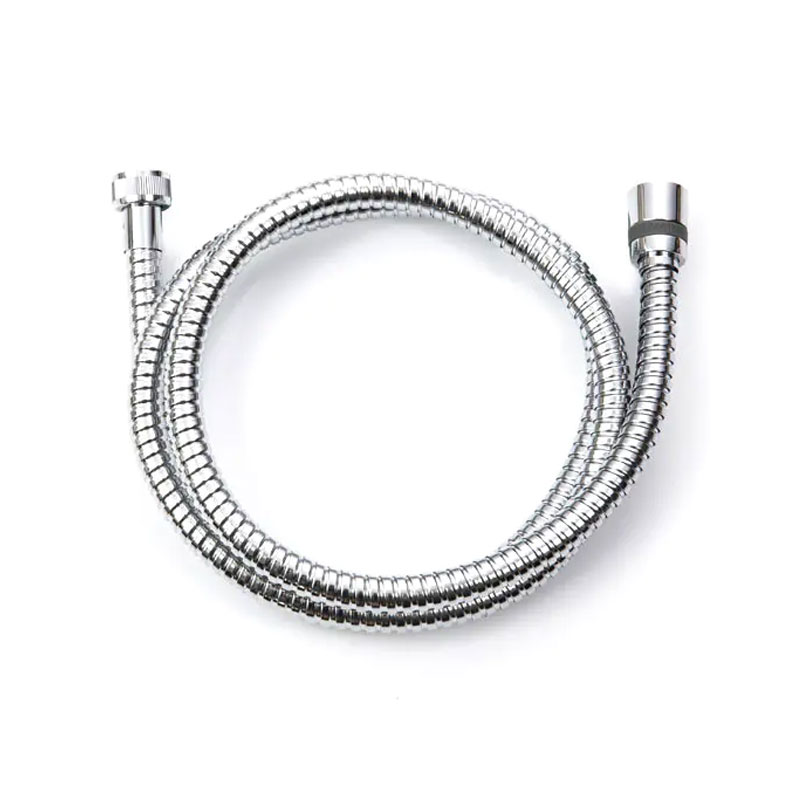 Wholesale Stainsteel Shower Hose Suppliers, China Factory - Yuyao Doflex SanitarYuyao Doflex Sanitary Ware Hose Co., Ltd. is China wholesale Stainsteel Shower Hose Suppliers and Factory,View Product →
Connection Quality
Most leaks start at the nut, not in the tubing. Brass nuts tolerate over-tightening and repeated disconnection better than zinc-alloy or plastic ones, which can crack if you use pliers too enthusiastically. Equally important is the washer: a proper rubber washer shaped for the seat lasts much longer than a thin flat disc that deforms after a few weeks.
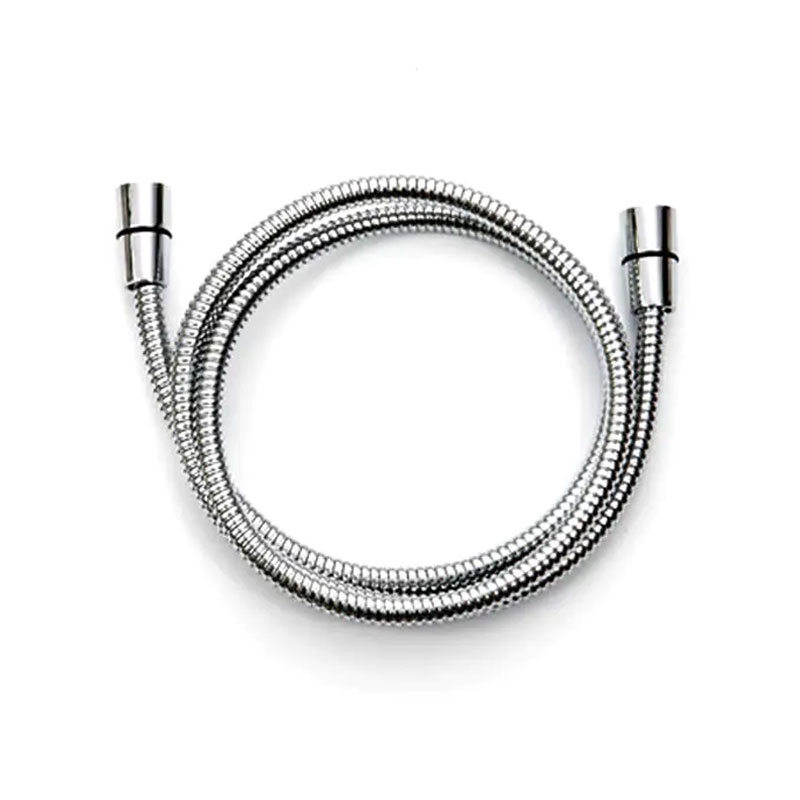
Twisting is a separate failure mode. If your current hose winds up on itself, kinks or separates at the fitting, look for a construction that stops the inner tube from rotating inside the outer cover. An anti-twist shower hose is designed for exactly that problem, and it keeps the nut aligned with the hose so the washer seals evenly.
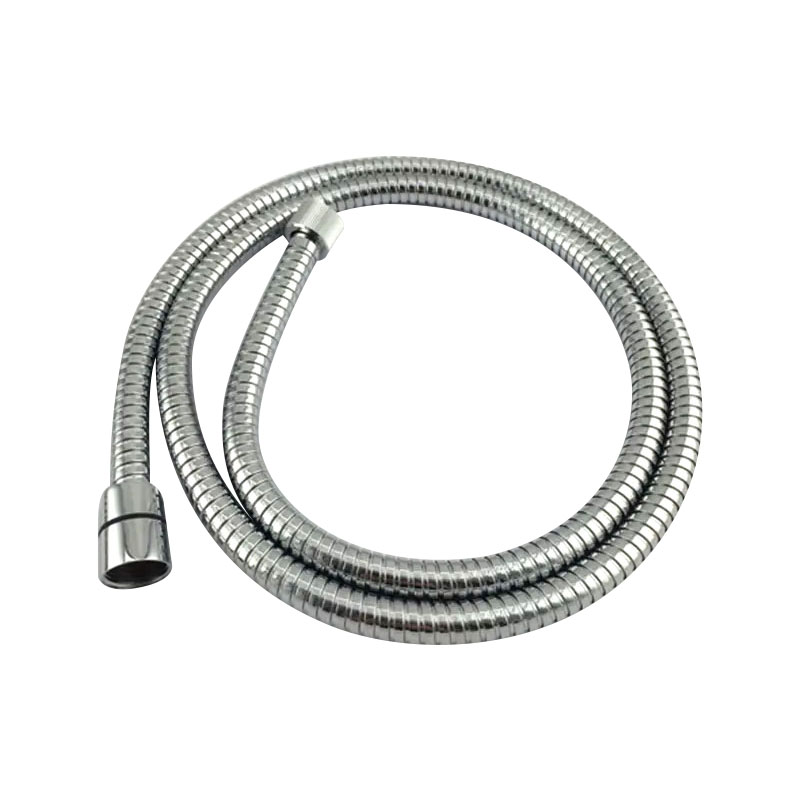 Wholesale Anti Twist Shower Hose Suppliers, China Factory - Yuyao Doflex SanitarYuyao Doflex Sanitary Ware Hose Co., Ltd. is China wholesale Anti Twist Shower Hose Suppliers and Factory, Model: SH006CR Name: ANTI TWIS...View Product →
Certifications help you judge quality you cannot see. CE EN1113 covers the performance and safety of shower hoses in the European market, while KTW, WRAS, ACS and DVGW indicate that the inner tube is safe for contact with drinking water. As an integrated sanitary ware hose manufacturer, we certify our shower hoses against these requirements because they are the same criteria our customers' projects are measured by.
How to Check Compatibility Before You Buy
- Measure the shower arm thread across the outside: roughly 20 mm across means 1/2-inch, and roughly 26 mm means 3/4-inch.
- Check the handheld shower head inlet as well. Both ends are usually 1/2-inch, but confirm rather than assume.
- Inspect the hand shower socket for the cone fit. If the seating is visibly slimmer than usual, a hose with a smaller cone adaptor will be safer.
- If you have an electric shower, read the manual or look up the brand's spare parts list to see whether the outlet uses a standard thread.
- Confirm the thread standard, not just the size. In North American plumbing, 1/2-inch NPT and 1/2-inch BSP are not interchangeable.
- Buy from a supplier that clearly states the thread size, length, outer material and any certifications on the product page.
To sum it up: a standard 1/2-inch BSP hose will fit the vast majority of showers, and for most households any well-made replacement is a direct swap. The exceptions are concentrated in 3/4-inch systems, NPT plumbing, proprietary electric-shower fittings and unusual hand-shower cones, all of which can be identified with a two-minute inspection before you order. Match the thread size, confirm the thread standard, and pay attention to the material and connection quality, and the replacement hose will fit the first time and keep working for years.
News
-
-
Quick Answer No, shower hoses do not fit all showers automatically — but most do, because roughly 90% of the market has standardized around one connector: the ...
READ MORE -
If you have ever stepped out of the shower with tight, itchy skin, dull hair, or a faint swimming-pool smell that follows you out of the bathroom, you have pro...
READ MORE -
After two weeks with a new activated carbon shower filter, many homeowners notice the same mixed result: the chlorine smell is gone, but the white spots on the...
READ MORE -
As a manufacturer of sanitary ware hoses, we hear this question from homeowners and plumbers alike: how do I stop my shower hose from leaking? The good news is...
READ MORE -
If your hair feels brittle and your skin looks dry even after switching to sulfate-free shampoo and moisturizing creams, the problem may not be your products—i...
READ MORE

Contact us
-

-

+86-574-62321667
-

No.2 Chuangsheng West road, Wuma Industry Area, Lubu Town, Yuyao City, Zhejiang, China
Copyright © 2025 Yuyao Doflex Sanitary Ware Hose Co., Ltd., All Rights Reserved.
 Wholesale Bathroom Shower Hose Manufacturers