
 English
 Español
 Deutsch
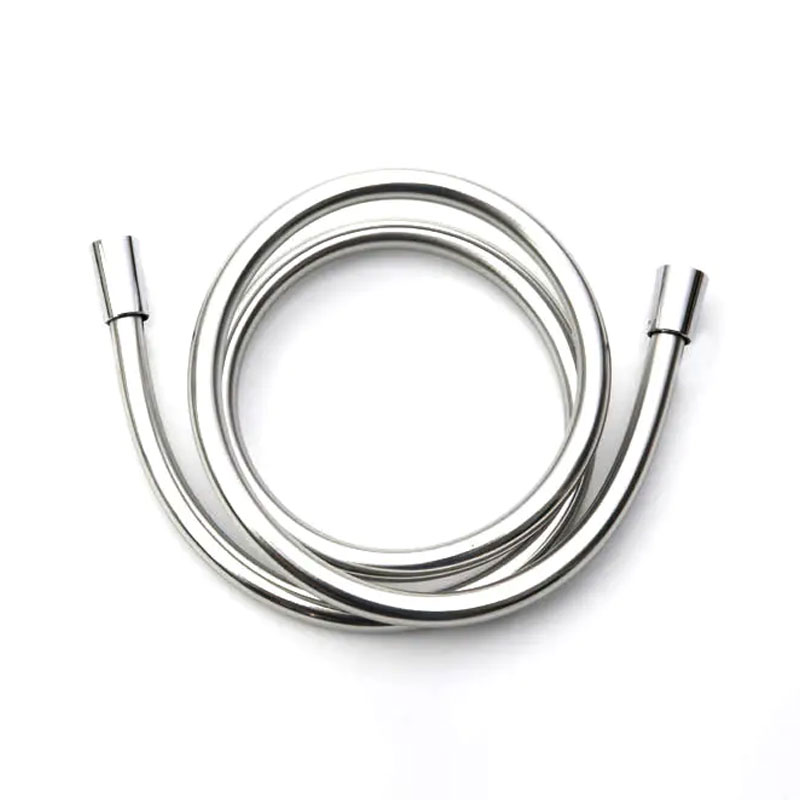
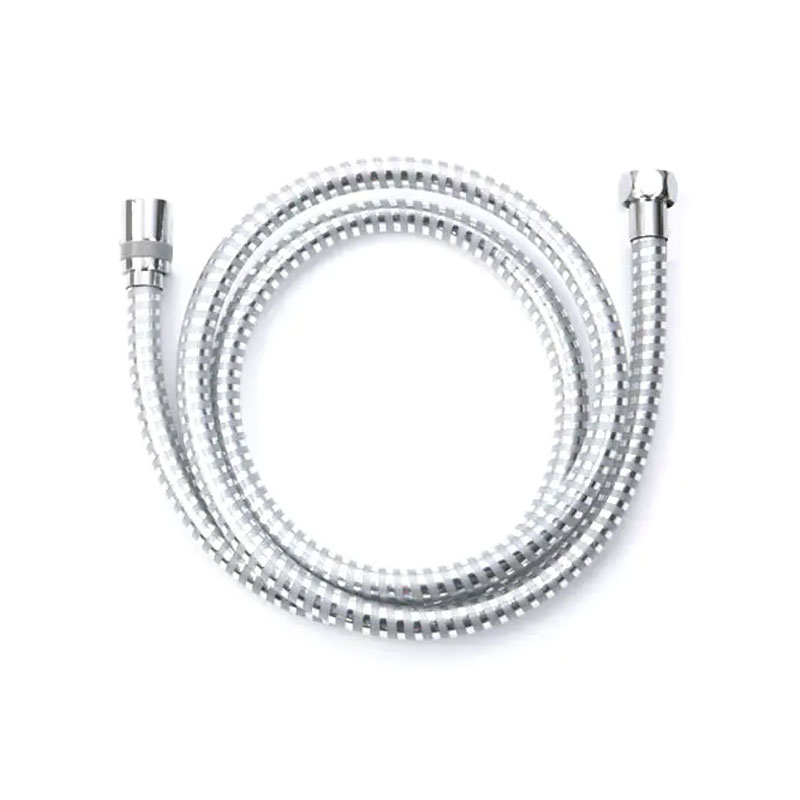
Direct Conclusion: Silicone Shower Hose vs PVC in Long-Term Durability The practical difference is clear: a Silicone Shower Hose significantly outperforms PVC ...
READ MORE
news
Hard Water to Soft Water Shower Head: What Actually Works in Your Bathroom
Update:25-11-2026
Content
Hard water leaves its signature everywhere: the chalky ring inside the kettle, the cloudy film on the shower screen, and the way shampoo refuses to lather properly on the second wash. So it is no surprise that so many people search for a hard water to soft water shower head, hoping one screw-on accessory will settle the whole problem. After more than twenty years of making the hoses that sit behind those shower heads, we have a fairly grounded view of what these products can do, and where the marketing tends to run ahead of the science. This guide walks through it honestly.
What a "Softening" Shower Head Can Realistically Do
Water hardness comes from dissolved calcium and magnesium picked up as water travels through rock and soil. Genuine softening means removing those minerals, and in practice that is done with ion exchange resin: calcium and magnesium swap places with sodium or potassium, and the resin is periodically recharged with salt. A shower head the size of your palm simply does not contain enough resin to do that job for a whole bathroom, and it certainly cannot regenerate itself.
What most products sold as hard water shower heads actually contain is filtration media: activated carbon, KDF alloy, calcium sulfite, or sometimes ceramic and mineral beads. These are genuinely useful. They reduce chlorine and chloramine, capture sediment and rust, and can bind a limited amount of dissolved metal. The result is water that feels softer on the skin, smells less of the pool, and leaves fewer spots on glass. Total hardness, however, usually stays close to where it started.
That distinction matters when you are spending money. Below is a plain comparison of the four options you are most likely to encounter.
| Option | Removes calcium and magnesium | Handles chlorine and sediment | Typical upkeep |
|---|---|---|---|
| Whole-house ion exchange softener | Yes, substantially | Partly, depending on pre-filter | Salt refills and periodic resin service |
| Shower head with carbon and KDF media | No, only limited binding | Yes, noticeably | Cartridge change every three to six months |
| Vitamin C or bisulfite cartridge | No | Mainly chlorine and chloramine | Cartridge change every one to three months |
| Ceramic or mineral bead "softening" head | Marginal, mostly scale-inhibition claims | Limited | Rinse or replace beads periodically |
Signs Your Shower Is Running Hard Water
Hardness varies enormously from one street to the next, so it helps to read the symptoms rather than guess. Common ones include:
- A white, chalky film on the shower screen, tiles and chrome fittings that wipes away and comes straight back.
- Soap and shampoo that lather poorly, leaving a slightly slippery or filmy feeling on the skin.
- Tightness, itching or flaking after showering, especially in winter when skin is already dry.
- Hair that feels dull or rough, and colour that fades faster than expected.
- Chalky crust building up around the nozzles of the shower head and along the hose fittings.
- Spotting on glassware and coffee cups, or a kettle that scales over within weeks.
If several of these sound familiar, a quick hardness test strip or a look at your municipal water report will confirm it. Knowing your number, whether it is expressed in mg/L or grains per gallon, makes every later decision easier.
Choosing a Shower Head That Genuinely Helps
Once you accept that you are buying improved water quality rather than true softening, the selection process becomes much simpler. Focus on these four things.
Filtration media and realistic capacity
Carbon is excellent against chlorine, while KDF media adds some reduction of heavy metals and helps inhibit bacterial growth inside the cartridge. Look for a stated capacity in litres or gallons, not just a claim of "filters up to a year". A household of four will exhaust a small cartridge far sooner than a single person will, and a head that promises twelve months of service is usually describing the gentlest possible use.
Flow rate and pressure behaviour
Dense filter media costs you pressure. If your supply is already modest, choose a head with a generous inlet and a flow rate suited to your system, and check whether it is described as high pressure or low pressure. A restrictor that saves water is only useful if the shower still feels like a shower.
Certifications worth looking for
Certification is where careful buyers separate real products from hopeful ones. For anything that touches drinking water, look for marks such as KTW, WRAS, ACS or DVGW, depending on the market. For the hose itself, the European standard is CE EN1113. Material safety documentation such as REACH, RoHS and FDA declarations tells you the plastics and elastomers have been assessed for what they release into water. A manufacturer that holds these does not necessarily make a better filter, but it does show the plumbing has been checked.
Fit, thread and hose compatibility
Most heads use a standard half-inch connection, but weight matters as much as thread. A heavy filtering head hanging on a light hose will pull at the seal, and a stiff hose will fight the swivel every time you adjust the angle. Check the washer, check that the nut seats squarely, and if your existing hose is old, replace it at the same time.
Why the Hose Deserves a Second Look
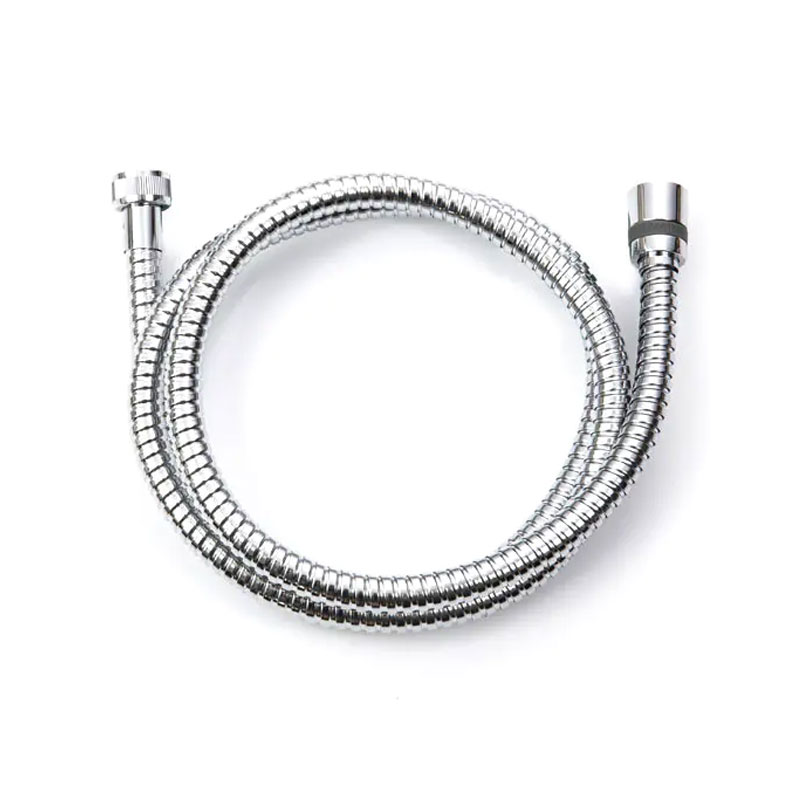
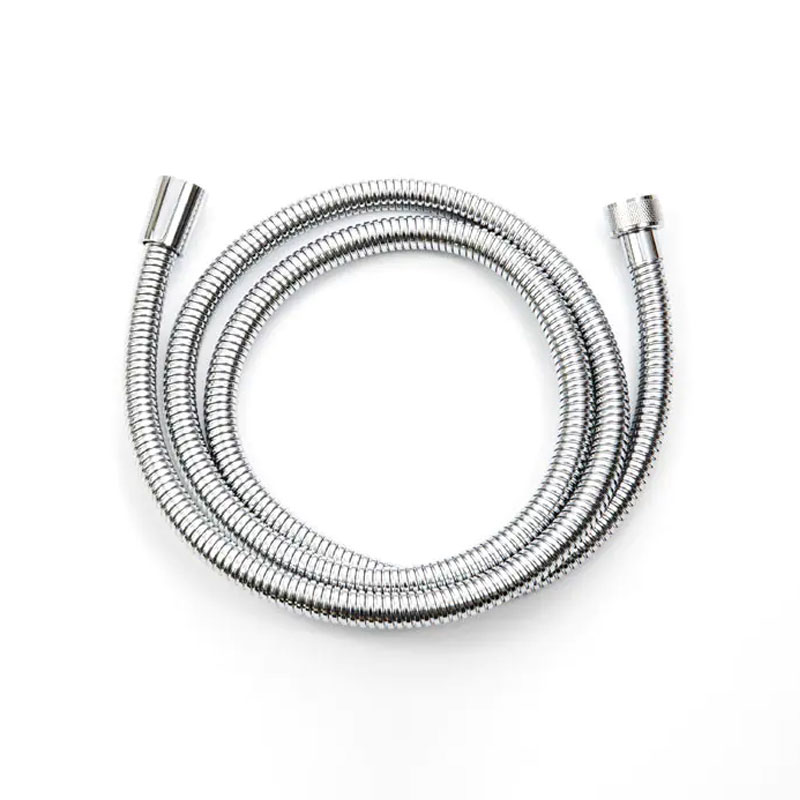
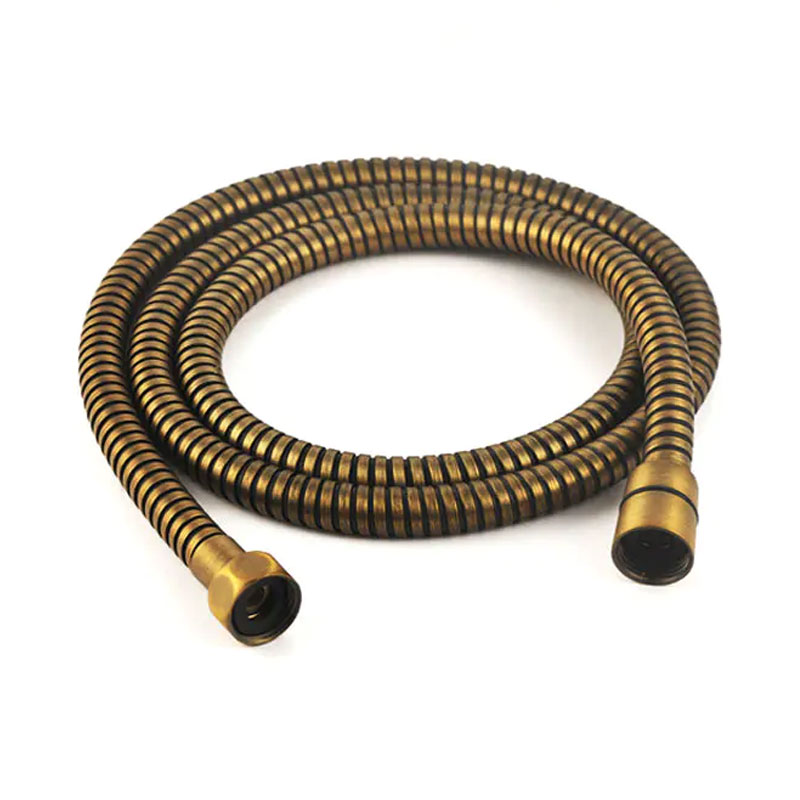
Hard water attacks the parts you do not think about. Calcium deposits work into the crevices around the nut and the inner tube, and PVC hoses in particular can stiffen and craze over time as they cycle between hot and cold. A silicone shower hose stays flexible across that temperature range and resists the hardening that eventually leads to cracks near the fittings. We have written a longer comparison of how silicone and PVC shower hoses age under hard water conditions if you want the detail.
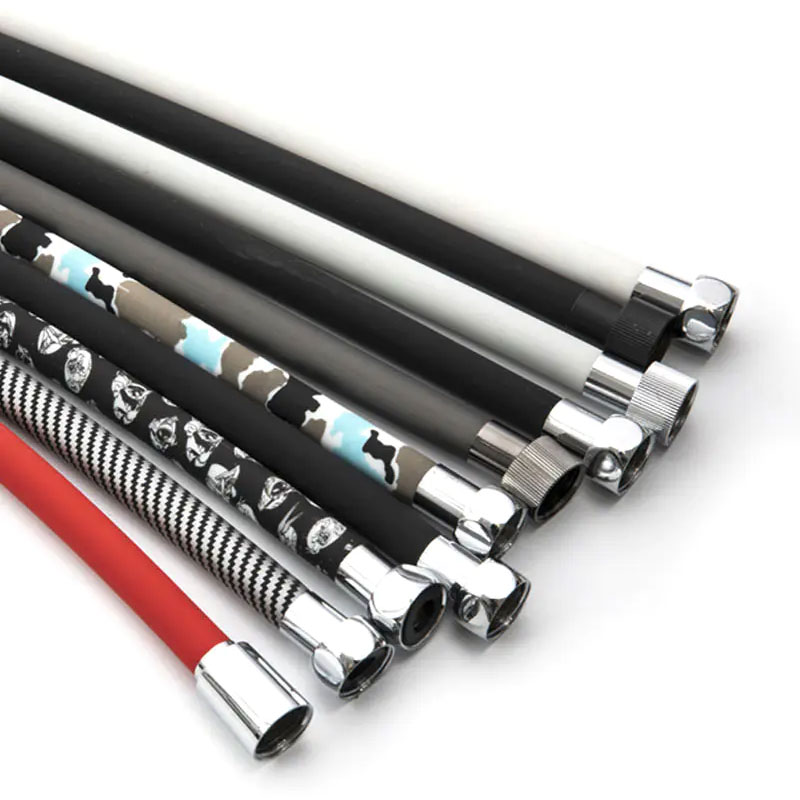 Silicone Shower Hose by Doflex and OEMSilicone shower hose offered under Doflex and OEM brands, relevant when hard water and temperature cycling make hose flexibility and fitting durability important.View Product →
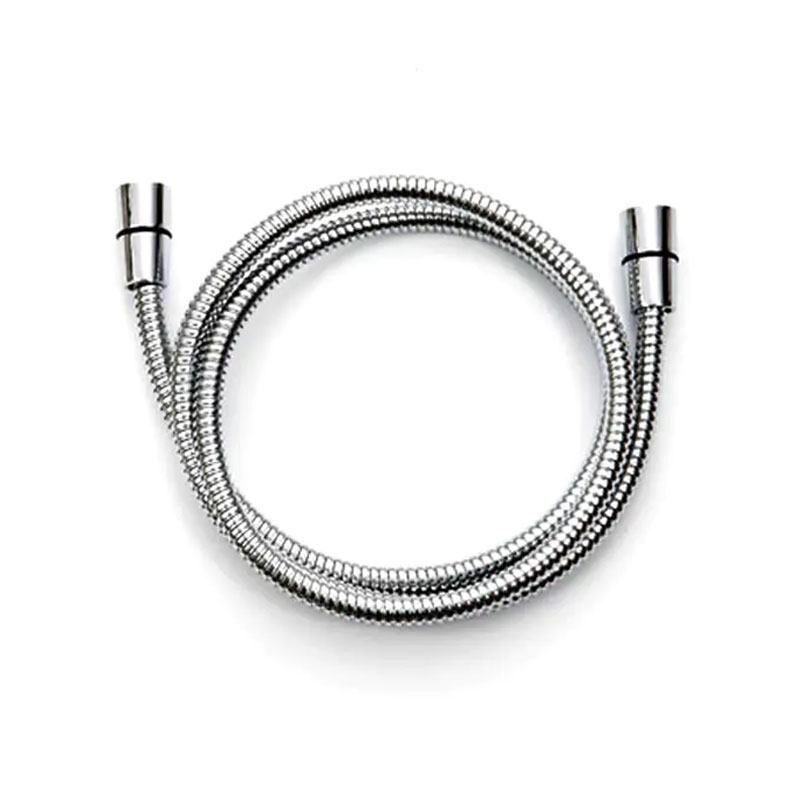
An anti-twist hose is the other upgrade worth considering. When a filtering head is heavier than the one it replaced, the hose tends to kink at the same point again and again, and that is where leaks begin. A swivel design spreads the load and keeps the inner tube open, so pressure stays consistent.
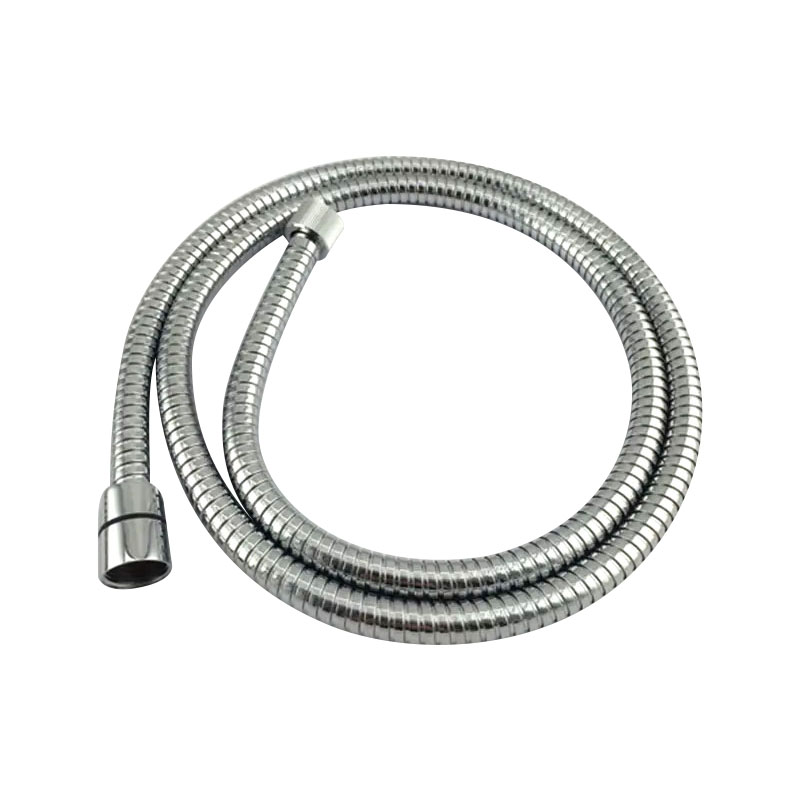 Anti-Twist Shower Hose SH006CR with Brass NutsModel SH006CR is a 1.5 m chrome anti-twist hose with brass nuts, brass insert and 15 bar nominal pressure, suited to heavier filtering heads.View Product →
None of this softens water, of course. But a hose that stays supple and seals properly protects the investment you just made in filtration, and it is the cheapest part of the system to get right.
Simple Habits That Keep Performance Steady
- Soak the shower head face in white vinegar for thirty minutes every couple of months to dissolve scale from the nozzles.
- Replace cartridges on schedule rather than waiting for the flow to drop; exhausted media can release what it captured.
- Wipe the head and hose dry after showering if your water is very hard, which slows mineral build-up on the surface.
- Run cold water through the head for a few seconds after a hot shower to cool the cartridge.
- Inspect the washers at both ends twice a year and replace any that have gone hard or flattened.
When a Shower Head Is Not Enough
If your hardness reading is high, if scale returns within days, or if the whole house suffers from the same symptoms, a point-of-use filter is the wrong tool. A whole-house softener, or at minimum a properly sized treatment system installed at the mains, is the only route to genuinely soft water at every outlet. A shower head filter can still be a sensible addition afterwards, since it handles chlorine and sediment that a softener leaves behind, but it should not be asked to carry the load alone.
We are a manufacturer, not a retailer, and we would rather you bought the right thing than the most heavily advertised one. Our own work sits at the connection point: shower hoses in silicone, PVC, stainless steel and PU, made in Yuyao since 2004 and certified for drinking water contact in several markets. You can read more about how we build and test them. If a new filtering head is on your list this year, pair it with a hose that will not let it down, and expect realistic results rather than miracles. Softer-feeling water, less scale on the glass, and a shower that still has pressure: that is a good outcome, and it is one you can actually get.
News
-
-
Standing under a warm shower is one of the small luxuries of daily life, but it is also one of the largest water draws in a typical home. Showering accounts fo...
READ MORE -
A slide bar, often called a slide rail or riser rail, fixes a small but annoying problem in almost every bathroom: a handshower holder sits at one fixed height...
READ MORE -
Quick Answer No, shower hoses do not fit all showers automatically — but most do, because roughly 90% of the market has standardized around one connector: the ...
READ MORE -
If your hair feels brittle and your skin looks dry even after switching to sulfate-free shampoo and moisturizing creams, the problem may not be your products—i...
READ MORE -
Few things ruin a shower faster than a spray of water from a hole in the hose. The good news is that you do not have to live with it or call a plumber right aw...
READ MORE

Contact us
-

-

+86-574-62321667
-

No.2 Chuangsheng West road, Wuma Industry Area, Lubu Town, Yuyao City, Zhejiang, China
Copyright © 2025 Yuyao Doflex Sanitary Ware Hose Co., Ltd. , All Rights Reserved.
 Wholesale Bathroom Shower Hose Manufacturers